About the Museum
- Museum type
- History & Archaeology Museum
- Hours
- 09:00–16:30
- Closed
- Mon (or the next weekday if Mon is a national holiday), New Year holidays, and occasional temporary closures
- Admission
- Free
- Suggested visit time
- Quick: ~10 min / Unhurried: ~25 min
- Website&SNS
- Official website(JP)
- Address
- 5-52-3, Higashi-Ikebukuro, Toshima-ku, Tokyo(Map)
- Nearest station
- Shin Otsuka Station
What Is the Shintaro Suzuki Memorial Museum?
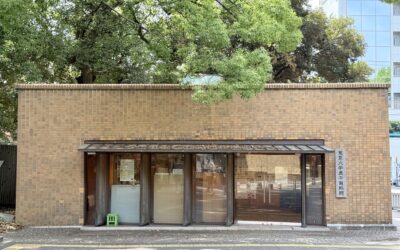
The Shintaro Suzuki Memorial Museum is the former residence of Shintaro Suzuki, a scholar who helped establish the foundations of French literature and French-language studies in Japan. The historic residence has been restored and preserved by Toshima City and is now open to the public as a memorial museum.
One of the museum’s most distinctive features is the building itself. The residence consists of three sections constructed during different periods: a traditional Japanese-style reception wing dating from the Meiji period, a study built in 1928, and a living room and hall wing completed in 1946. Together, they offer a rare glimpse into the evolution of Japanese residential architecture from the Meiji era through the prewar and postwar periods, combining elements of both traditional Japanese and Western-style architecture.
During restoration work carried out in 2017 before the museum opened, traditional construction techniques were used wherever possible. Great care was taken to preserve the historical character of the residence, allowing visitors today to experience much of the atmosphere of the house as it appeared nearly a century ago.
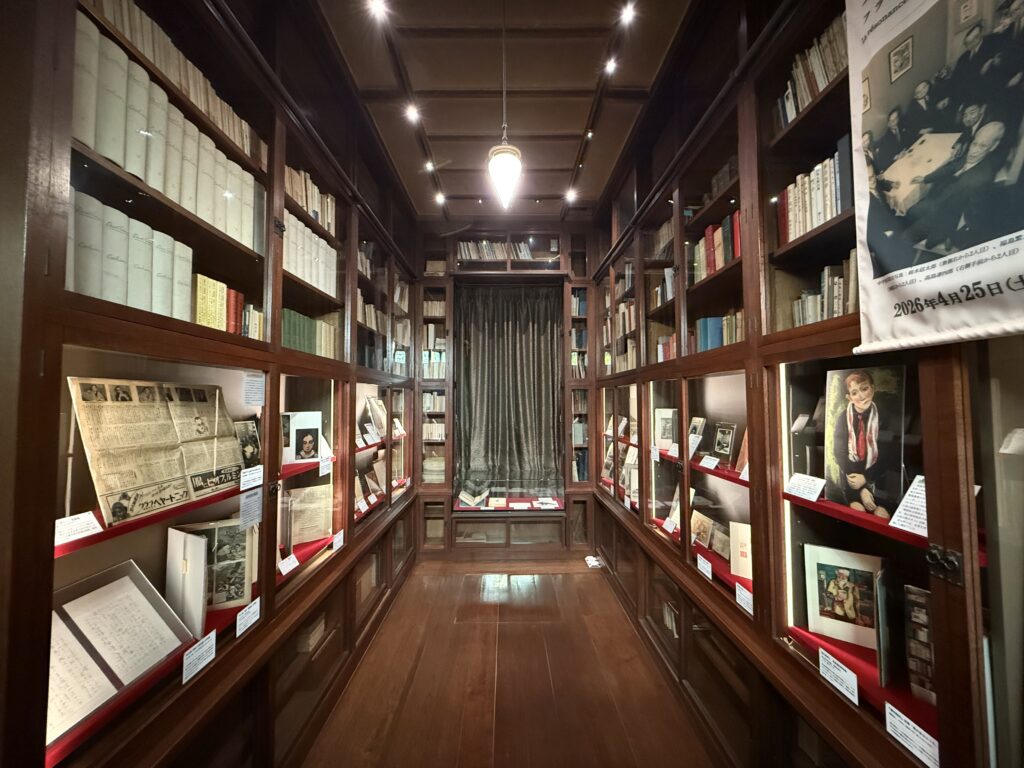
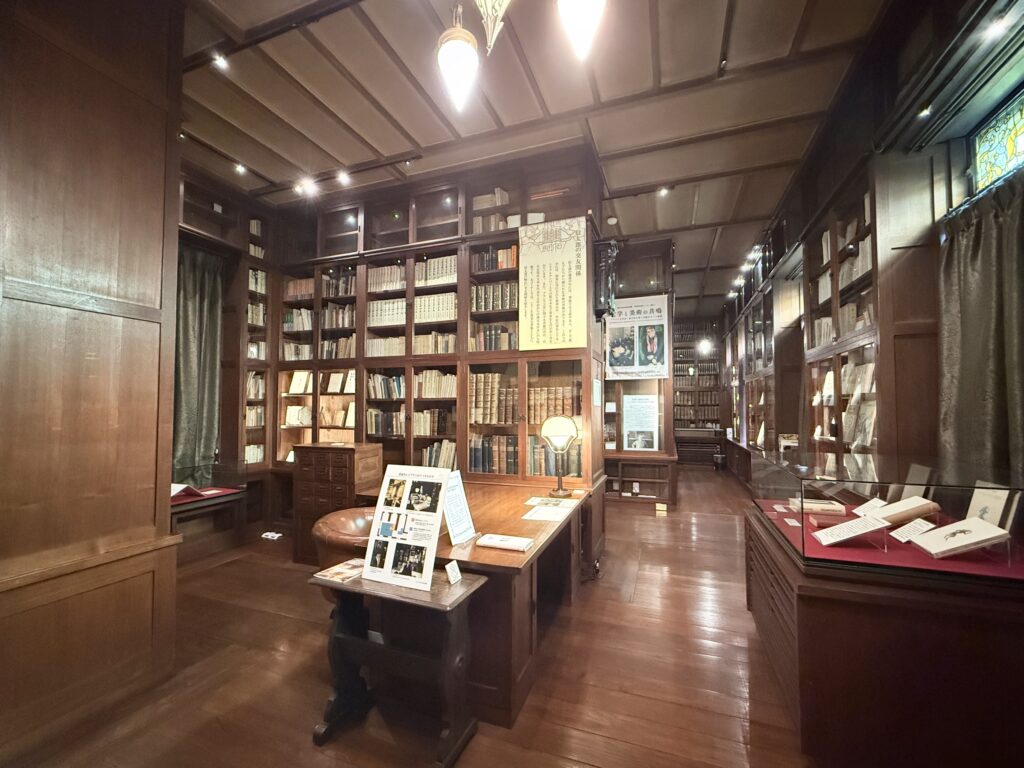
Suzuki was also known as a collector of rare books. Approximately 10,000 volumes from his collection are preserved at the museum, some of which are displayed inside the residence.
Along with the historic house and book collection, the museum introduces Suzuki’s academic achievements and the materials he collected throughout his life.
The Shintaro Suzuki Memorial Museum is therefore more than a museum dedicated to a single scholar. It is also a valuable piece of architectural history that reflects Japan’s dramatic transformation from the Meiji period through the postwar era. Visitors can discover Suzuki’s contribution to the study of French literature in Japan while also experiencing the passage of history through the remarkable home he left behind.
Visitor Information
The museum consists of three buildings from different periods: a traditional Japanese-style reception wing reconstructed using a building dating from the late 19th century, a study built in 1928, and a living room and hall wing completed in 1946. Exploring the three buildings offers visitors a fascinating glimpse into the evolution of Japanese residential architecture from the Meiji period through the prewar and postwar eras.
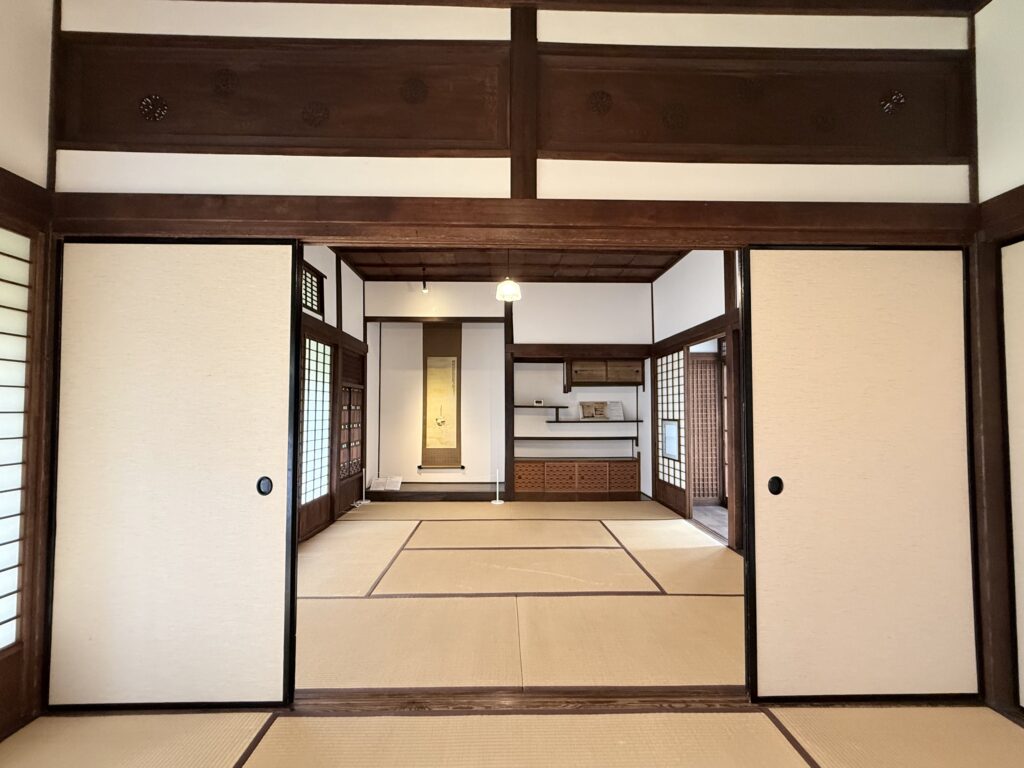
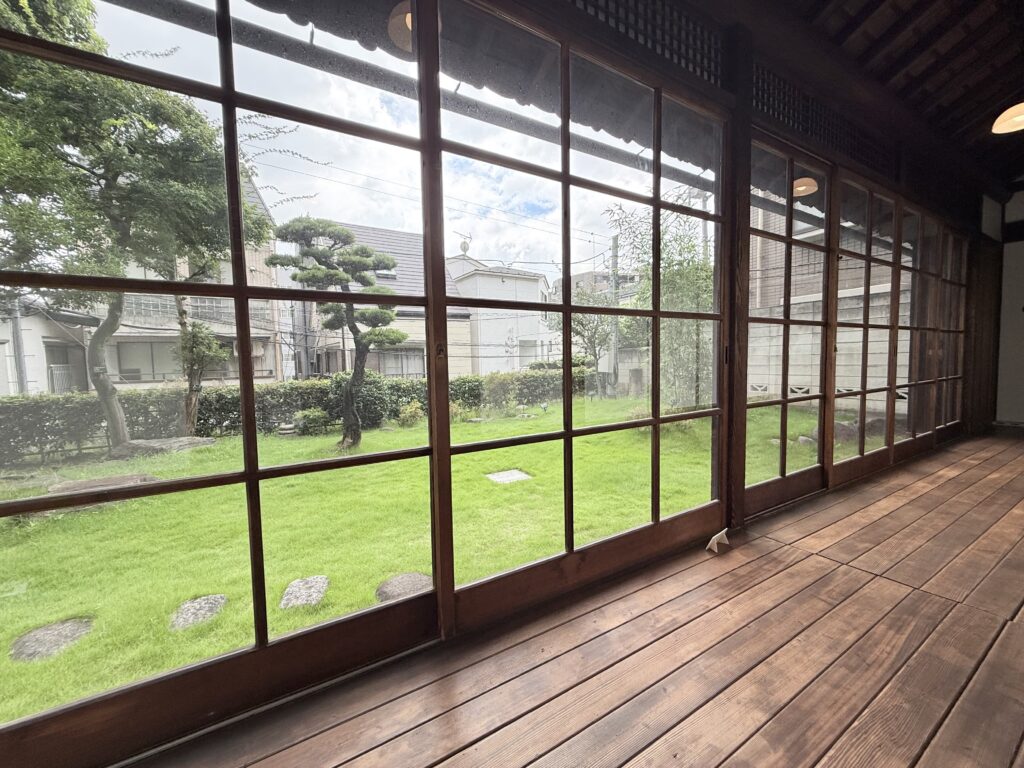
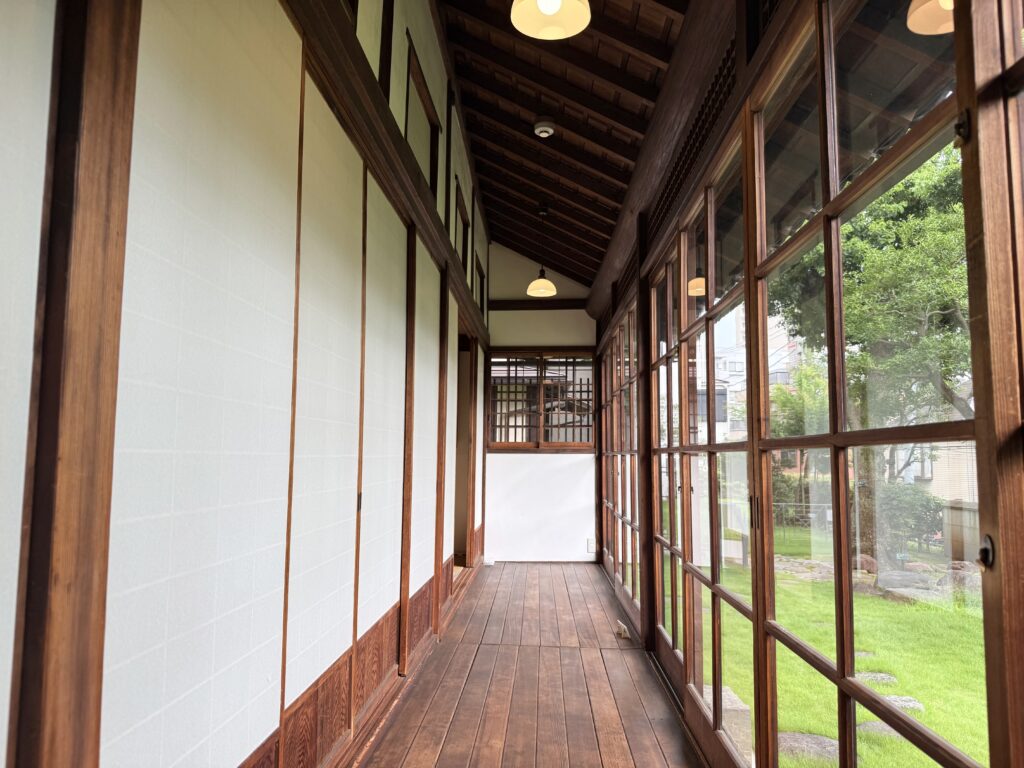
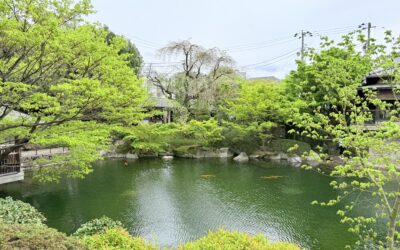
The reception wing has a calm, traditional Japanese design. Fine craftsmanship can be seen throughout the building, including intricate details in the wooden ceiling. Visitors can also look out over the garden on the southern side of the house. Panels inside the building explain the restoration and conservation work carried out before the memorial museum opened.
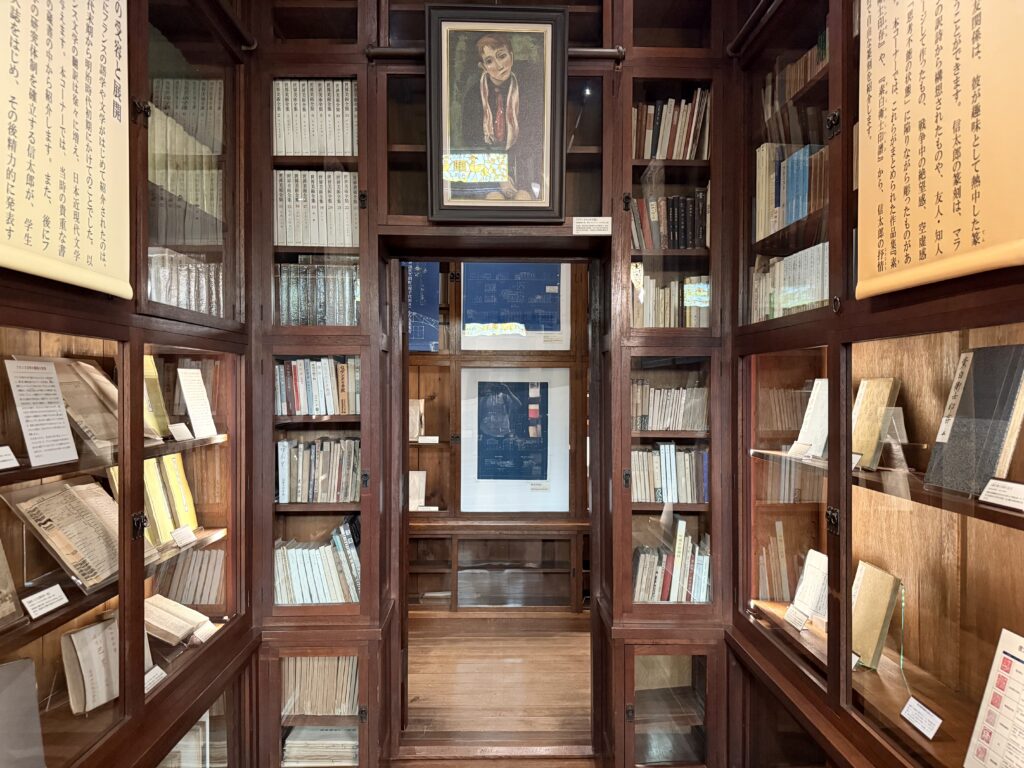
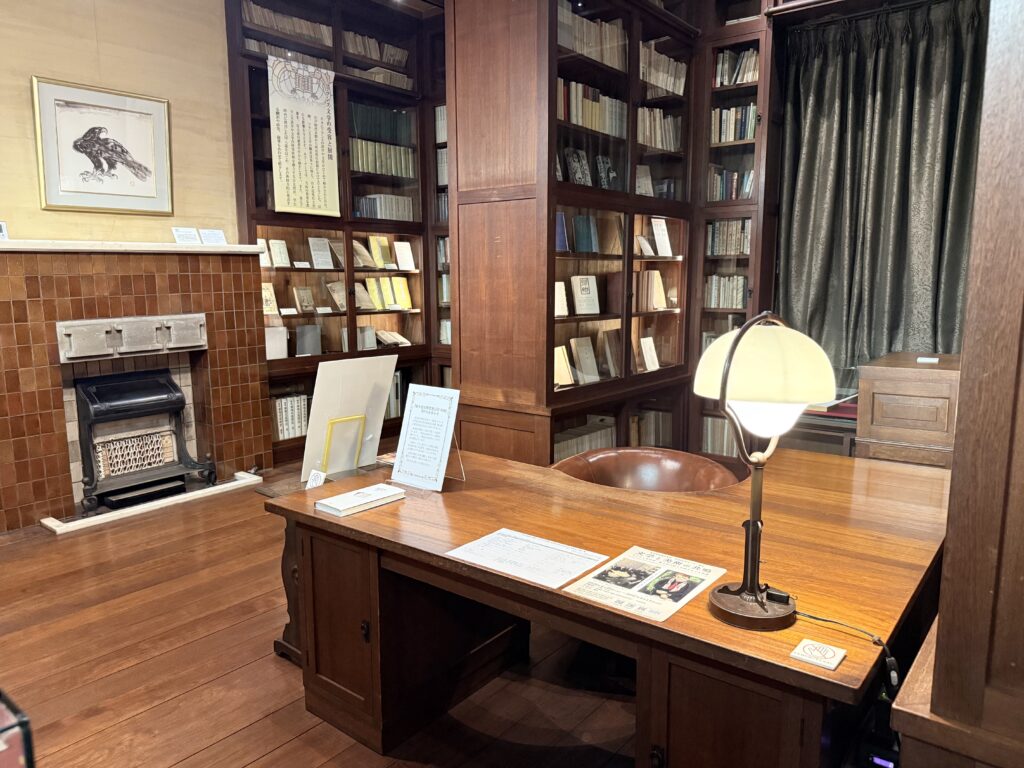
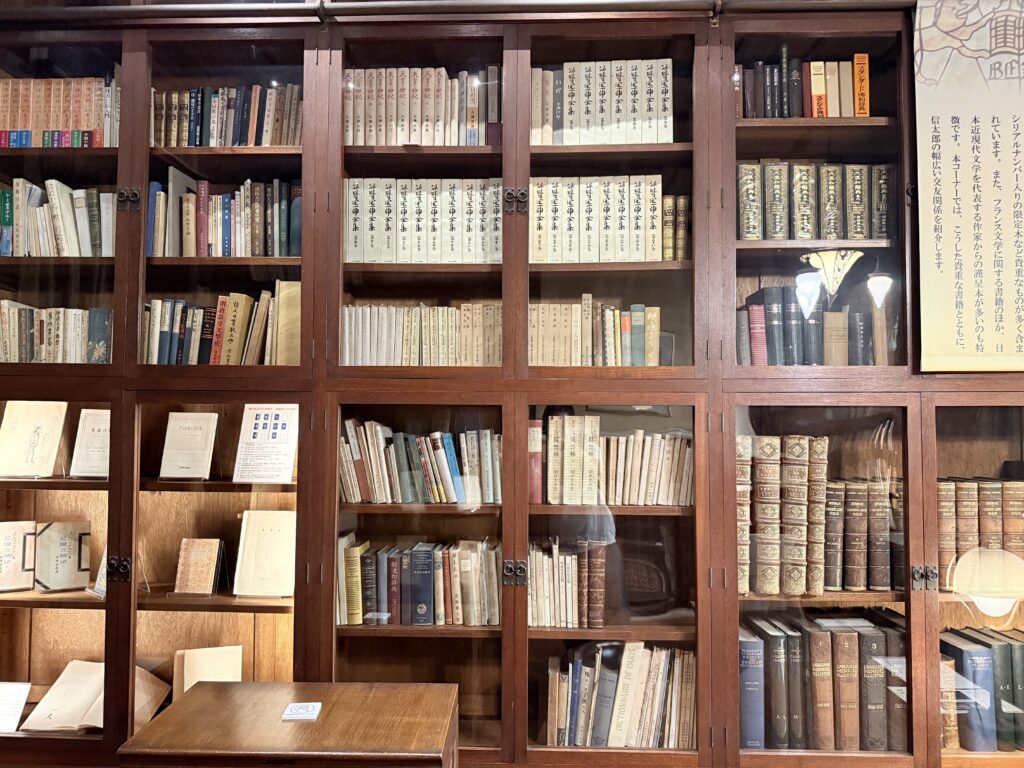
The study is one of the major highlights of the museum. In this dignified yet peaceful room, visitors can see the desk actually used by Shintaro Suzuki, while selections from his extensive book collection are presented according to different themes. A video exhibition also explains the unusual construction techniques used when the building was erected and how its first floor survived the Johoku air raid of April 1945.
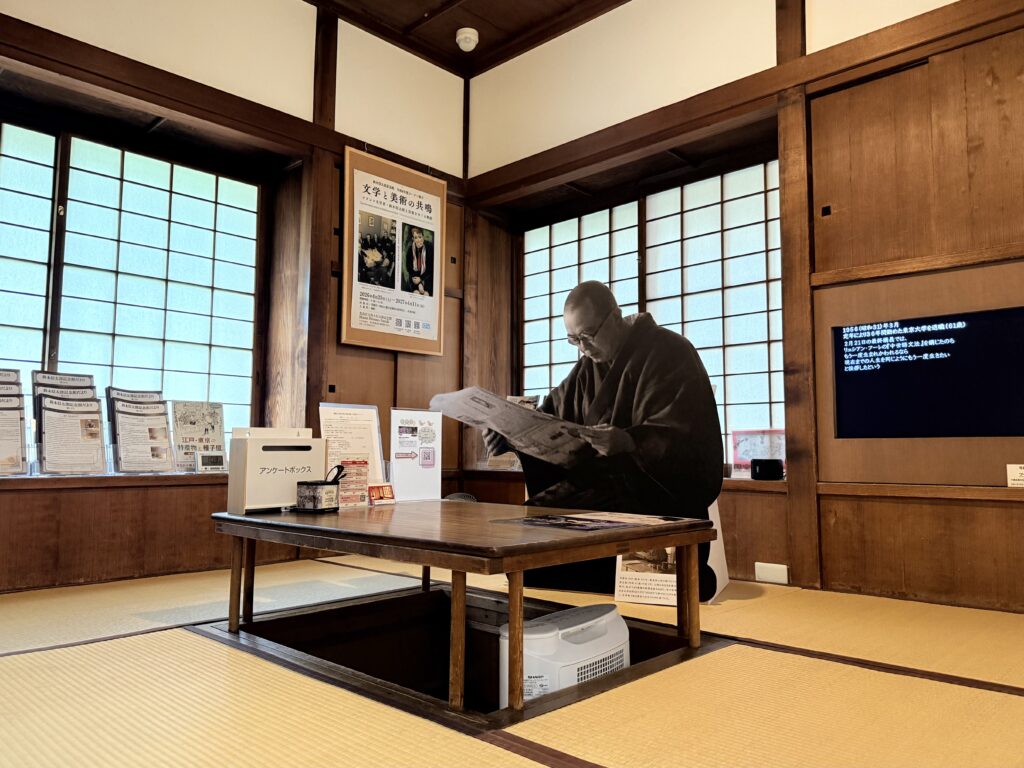
The living room and hall wing introduces aspects of Suzuki’s everyday life and offers visitors a sense of how people lived in Japan during the early postwar period.
Hidden Highlight
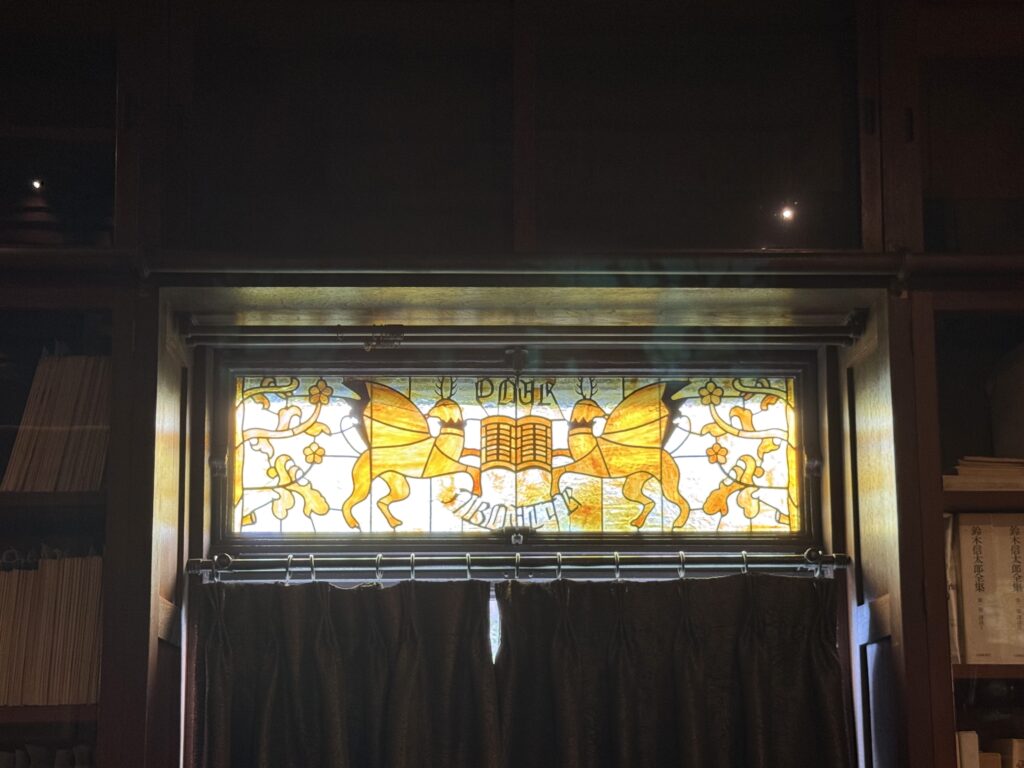
The museum has many fascinating exhibits, including Shintaro Suzuki’s valuable book collection, but one easily overlooked highlight can be found above the glass windows on the southern side of his study.
There are five stained-glass panels, all designed by Suzuki himself. Each panel contains French lettering, and when the five inscriptions are read together, they form a quotation from a poet.
We will leave the words themselves a secret. When you visit the museum, be sure to look up and discover the quotation for yourself.
Who Was Shintaro Suzuki?
Shintaro Suzuki was a scholar of French literature who played an important role in establishing French literary studies in Japan during the first half of the 20th century. He devoted his career to both research and education at a time when the academic study of French literature was still developing in Japan.
His research covered the Symbolist poets, including Stéphane Mallarmé, as well as medieval French literature, and he made a significant contribution to the development of French literary studies in Japan. After graduating from Tokyo Imperial University, he traveled to France at his own expense. Following his return to Japan, he held professorships at Tokyo Imperial University and later at Chuo University and Toyo University.
Suzuki’s approach to studying in France also reveals much about his character as a scholar. Rather than enrolling at a local university and studying under a particular professor, he set himself three goals: to attend as many theatrical performances as possible, to collect books, and to study medieval French so that he could read the works of François Villon in their original language.
Suzuki devoted his life to the study and teaching of French literature, making him a scholar in the truest sense of the word.
Nearby Information
The Shintaro Suzuki Memorial Museum is located in the Ikebukuro area.
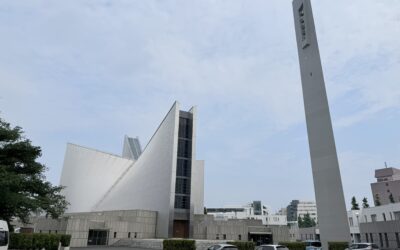
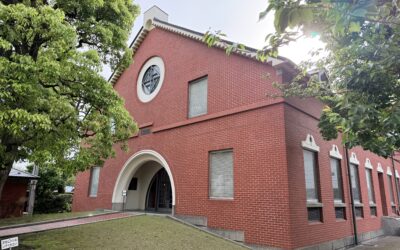
A little farther from the museum, visitors can also explore several cultural and historical sites, including St. Mary’s Cathedral, Tokyo, the Eisei Bunko Museum, the Naruse Memorial Museum of Japan Women’s University, and the Zoshigaya Missionary House Museum.
After visiting the museum, head toward Ikebukuro Station to enjoy the area’s many shops and restaurants. Spending time in the lively streets of Ikebukuro after exploring the quiet world of literature and history at the museum offers an enjoyable contrast and a different side of this part of Tokyo.
Access