About the Museum
- Museum type
- History Museum
- Hours
- 10:00–16:30
- Closed
- Sun, Mon, national holidays, university holidays, and exhibition changeover periods
- Admission
- Free
- Suggested visit time
- Quick: ~10 min / Unhurried: ~25 min
- Website&SNS
- Official website(JP)
- Address
- 2-8-1, Mejirodai, Bunkyo-ku, Tokyo(Map)
- Phone
- +81 3-5981-3376
- kinenkan@atlas.jwu.ac.jp
- Nearest station
- Zoshigaya Station; Waseda Station; Gokokuji Station
What Is the Naruse Memorial Museum?
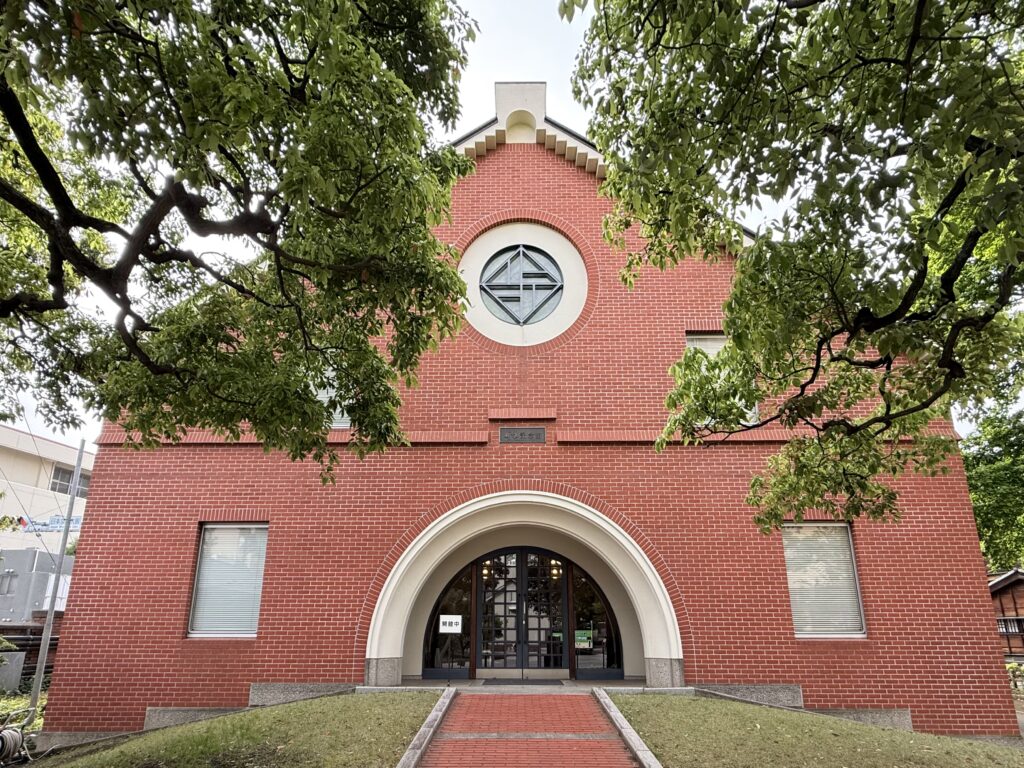
The Naruse Memorial Museum was established as part of the 80th anniversary project of Japan Women’s University. It functions as a museum-like facility dedicated to preserving and exhibiting materials related to the university’s history and its founder, Jinzo Naruse.
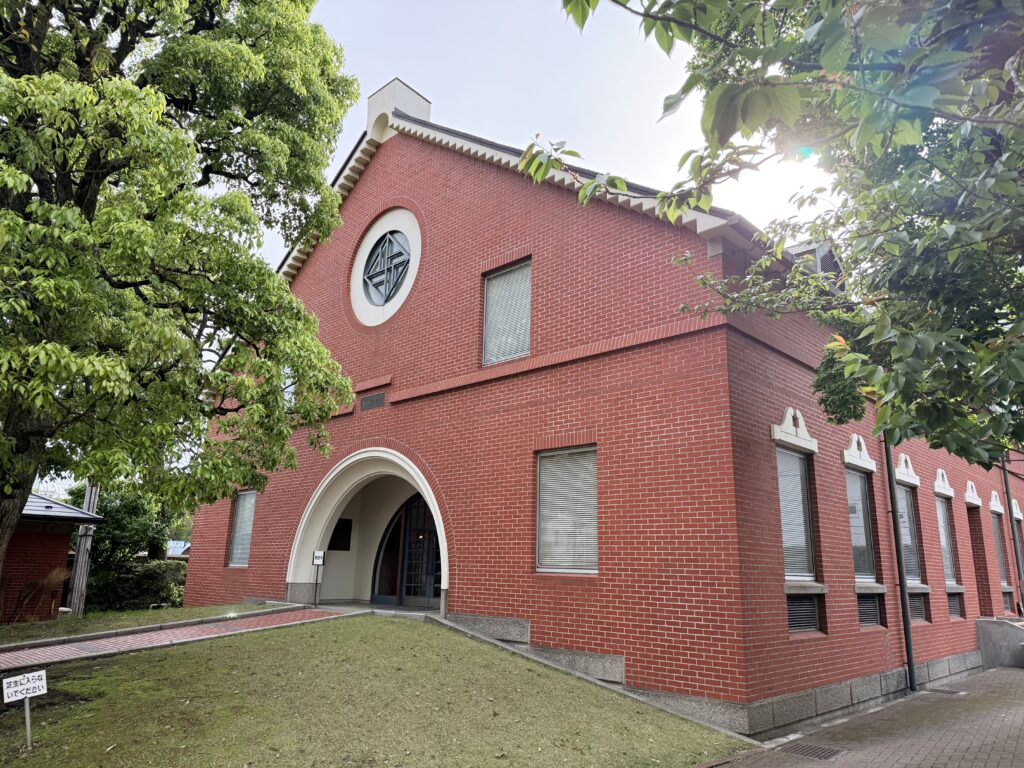
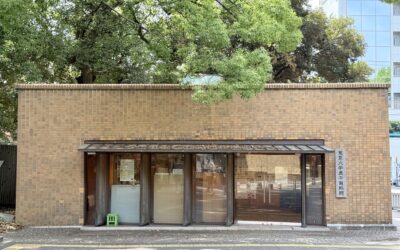
Designed by architect Chintaro Urabe, the building was completed in 1984 on the Mejiro campus of the university. Its Romanesque-style architecture, characterized by the use of red brick, reflects the designer’s vision of “a place to which those connected can always return,” resulting in an elegant exterior that evokes a sense of calm for visitors.
The museum houses items associated with Jinzo Naruse, and exhibitions with varying themes are held on an irregular basis.
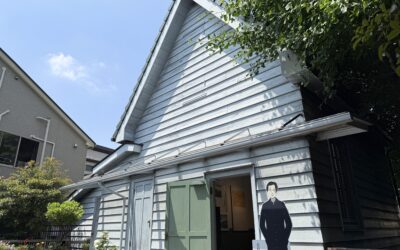
Adjacent to the museum stands the annex (the former residence of Jinzo Naruse), which can also be visited.
Visitor Information
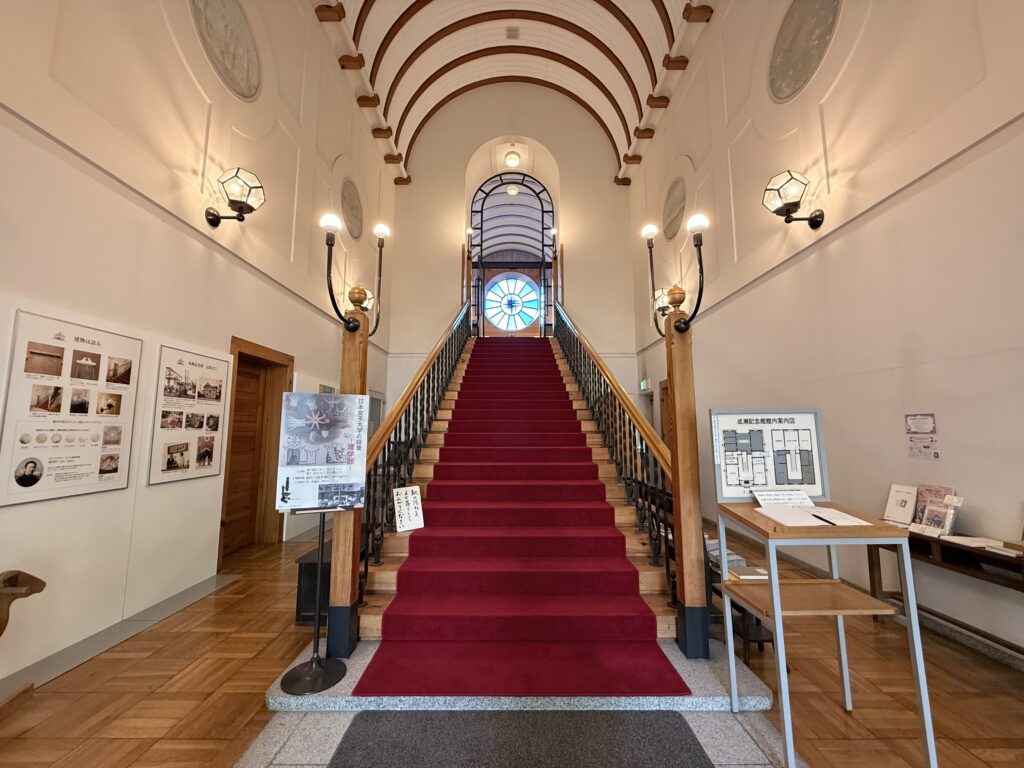
The museum is divided into two floors, with the main exhibition area located on the second floor.
Ascending the staircase—lined with warm red carpeting—toward the stained-glass window at the front of the second floor, symbolizing “light,” visitors arrive at the Memorial Room (Meditation Room). This space displays items associated with Jinzo Naruse, including an organ and writing instruments from his former residence.
The First Exhibition Room hosts temporary exhibitions, with the content varying according to the theme.
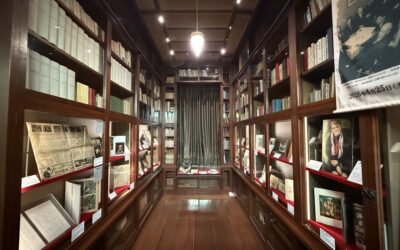
The Second Exhibition Room presents part of Naruse’s personal library, collected over the course of his life. The collection is said to include approximately 500 Japanese books and 1,900 Western books, among which are several rare volumes.
Annex (Former Residence of Jinzo Naruse)
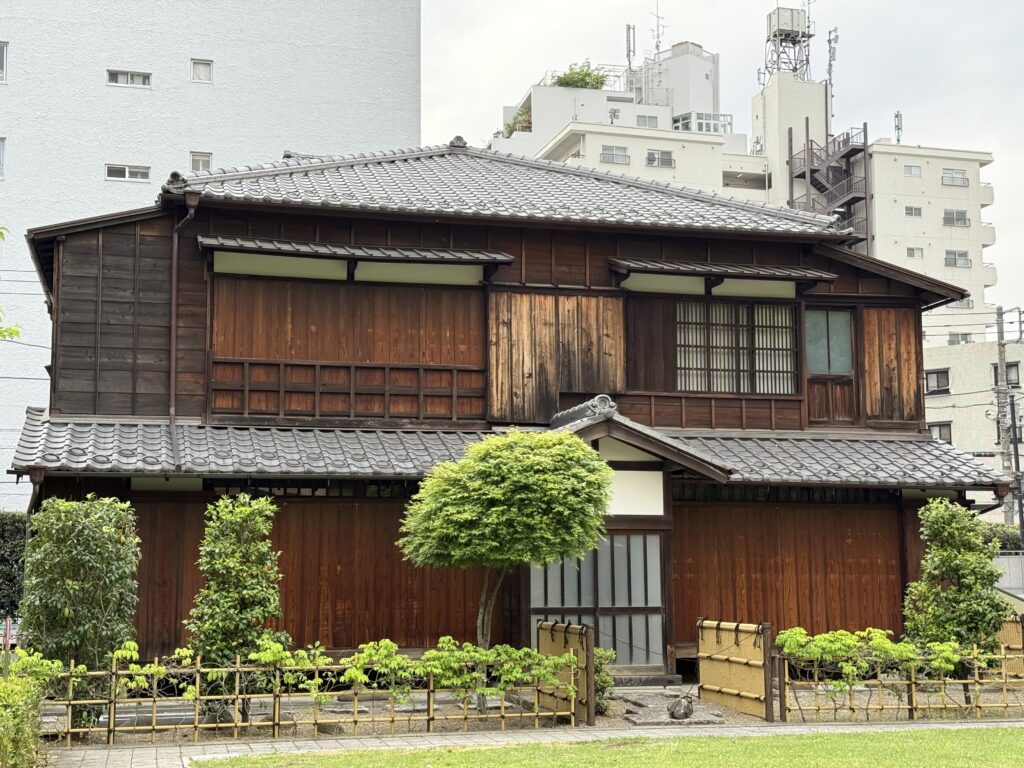
The annex of the Naruse Memorial Museum is a building originally constructed in 1901 as a teachers’ residence, where Jinzo Naruse once lived. Today, it is open to the public as a preserved historical residence.
Originally located on the northwestern side of the campus, the building was later relocated to its present site and maintained as the museum’s annex.
As a rare example of a Meiji-period teachers’ residence, it is recognized as a valuable cultural property. While primarily built in the style of a traditional Japanese house, it incorporates elements of Western architectural techniques throughout.
Visits require advance reservation on designated open days. However, during events such as open campus days and university festivals, the building can be visited without prior booking.
Who Was Jinzo Naruse?
Jinzo Naruse, the founder of Japan Women’s University, was born in 1858 in what is now Yamaguchi City. He was a religious leader, educator, and social reformer who was active from the late Edo period through the Taisho era.
During the Meiji period, he worked as a Christian missionary and also studied in the United States. In 1878, he participated in the founding of Baika Girls’ School in Osaka, marking the beginning of his lifelong commitment to women’s education.
At a time when higher education for women was largely considered unnecessary in Japan, Naruse’s vision was notably progressive. He recognized the need for advanced educational opportunities for women and pursued this goal despite significant social resistance.
With the support of like-minded collaborators, he overcame numerous challenges and established Japan Women’s University in 1901.
Through these achievements, Jinzo Naruse is remembered as a pioneer of women’s education in Japan.
About Japan Women’s University
Japan Women’s University was founded in 1901 as Japan’s first institution of higher education for women, led by its first principal Jinzo Naruse and founding committee chairman Shigenobu Okuma. It is widely recognized as a pioneer of women’s higher education in Japan.
Today, it is notable as the only private women’s university in Japan with a faculty of science. The university offers an interdisciplinary educational environment that integrates the humanities and sciences, aiming to cultivate independent and well-rounded individuals.
Nearby Information
The Ikebukuro, Zoshigaya, and Mejiro areas are home to a number of small museums and historical cultural sites.
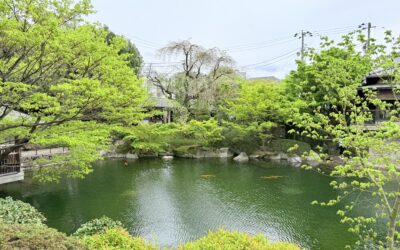
In addition to the Naruse Memorial Museum, visitors can explore the Zoshigaya Missionary House Museum to experience a glimpse of the Meiji period, and then relax in the tranquil setting of the Mejiro Teien Garden. Together, these spots offer a peaceful and culturally rich way to spend the day.
For those willing to venture a bit further, unique museums such as the Ancient Orient Museum and the Toshima Owl Museum are also worth visiting.
Access
Comments are closed.