About the Museum
- Museum type
- Historic site
- Hours
- 9:00–17:00
- Open
- Open daily
- Admission
- Free
- Suggested visit time
- Quick: ~10 min / Unhurried: ~20 min
- Website & SNS
- Official website
- Address
- 3-16-15, Sekiguchi, Bunkyo-ku, Tokyo (Map)
- Phone
- +81 3-3941-3029
- Nearest station
- Edogawabashi Station; Gokokuji Station
What Is the St. Mary’s Cathedral, Tokyo?
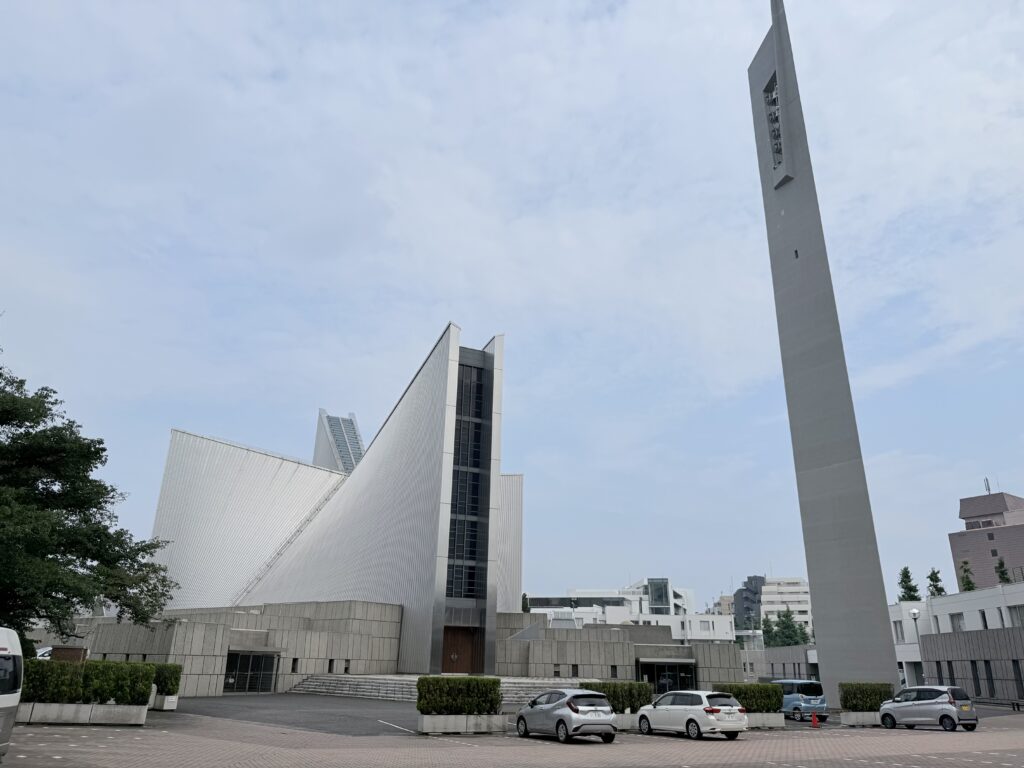
St. Mary’s Cathedral, Tokyo, is the cathedral of the Roman Catholic Archdiocese of Tokyo, located in the Sekiguchi district of Bunkyo City.
It is also known as the church of Sekiguchi Catholic Church and was dedicated to the Virgin Mary, from whom it takes the name “St. Mary’s Cathedral.”
In the Catholic Church, the world is divided into administrative districts known as dioceses. The principal church of a diocese, where the bishop or archbishop presides over the liturgy, is called a cathedral. The term derives from the cathedra, the ceremonial chair that symbolizes the bishop’s teaching authority.
St. Mary’s Cathedral serves as the mother church of the Archdiocese of Tokyo, one of Japan’s fifteen Catholic dioceses, and is regarded as one of the country’s most important Catholic churches.
The cathedral is open not only to members of the Catholic faith but also to the general public. Visitors are welcome to enter freely, whether to offer a prayer or simply to spend a quiet moment in reflection. Despite its location in the heart of Tokyo, it provides a peaceful sanctuary away from the bustle of the city.
Visitor Information
The cathedral grounds contain several facilities, but the four main points of interest are the cathedral itself, the Lourdes Grotto, the Josephine Bell, and the information center.
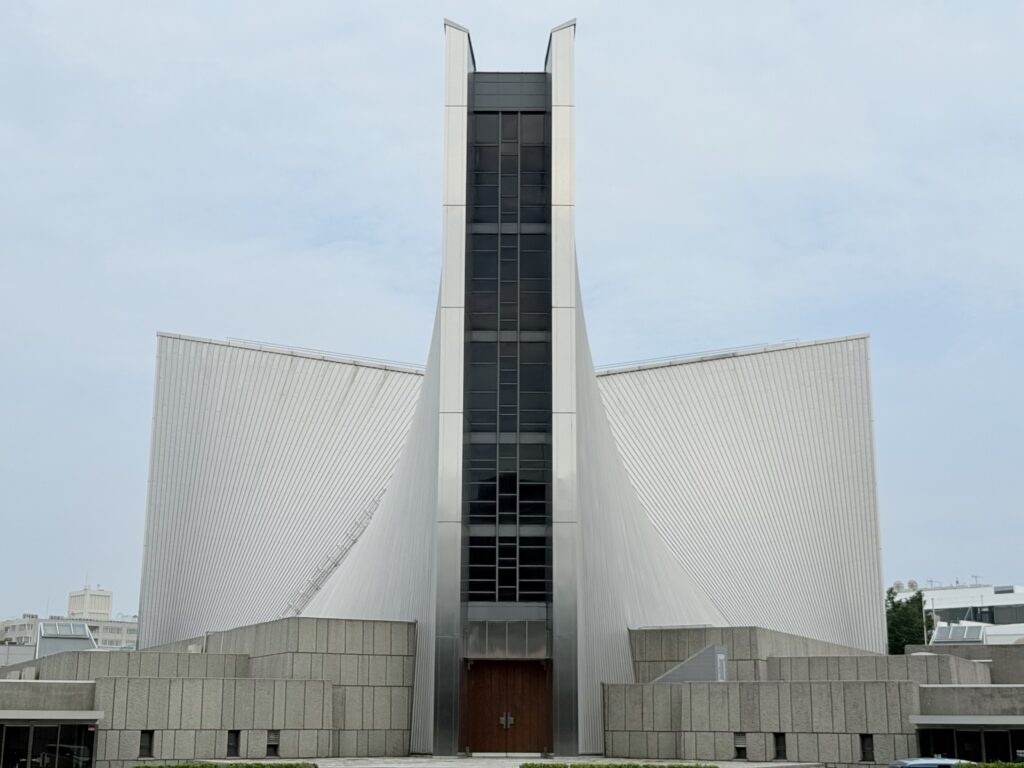
Standing at the center of the grounds, the cathedral is the principal highlight of St. Mary’s Cathedral, Tokyo. Together with its soaring bell tower, it has an imposing presence that dominates the site.
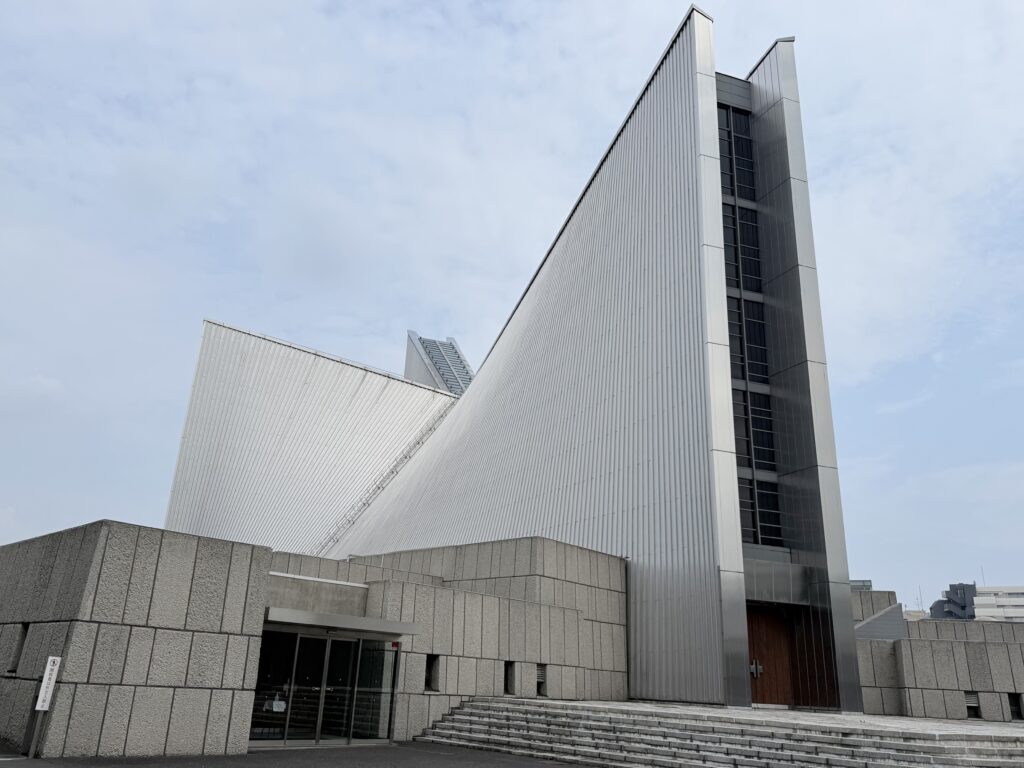
Photography is not permitted inside the cathedral. The interior features a massive baptismal font, a full-scale replica of Michelangelo’s Pietà in St. Peter’s Basilica in Vatican City, a cross-shaped ceiling, and a large pipe organ built in Italy. Together with the altar and crucifix at the front, these elements create a solemn and deeply peaceful atmosphere.
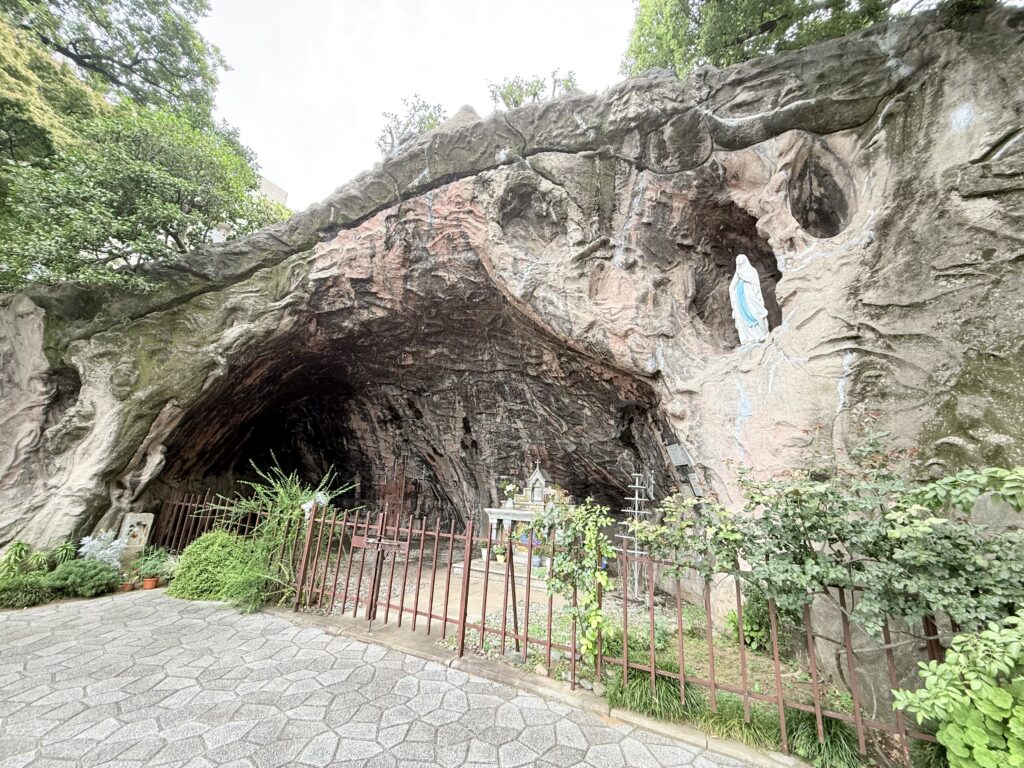
Directly opposite the cathedral stands the Lourdes Grotto. It is a reconstruction of the famous pilgrimage site in Lourdes, France, and serves as a place where visitors can offer prayers to the Virgin Mary.
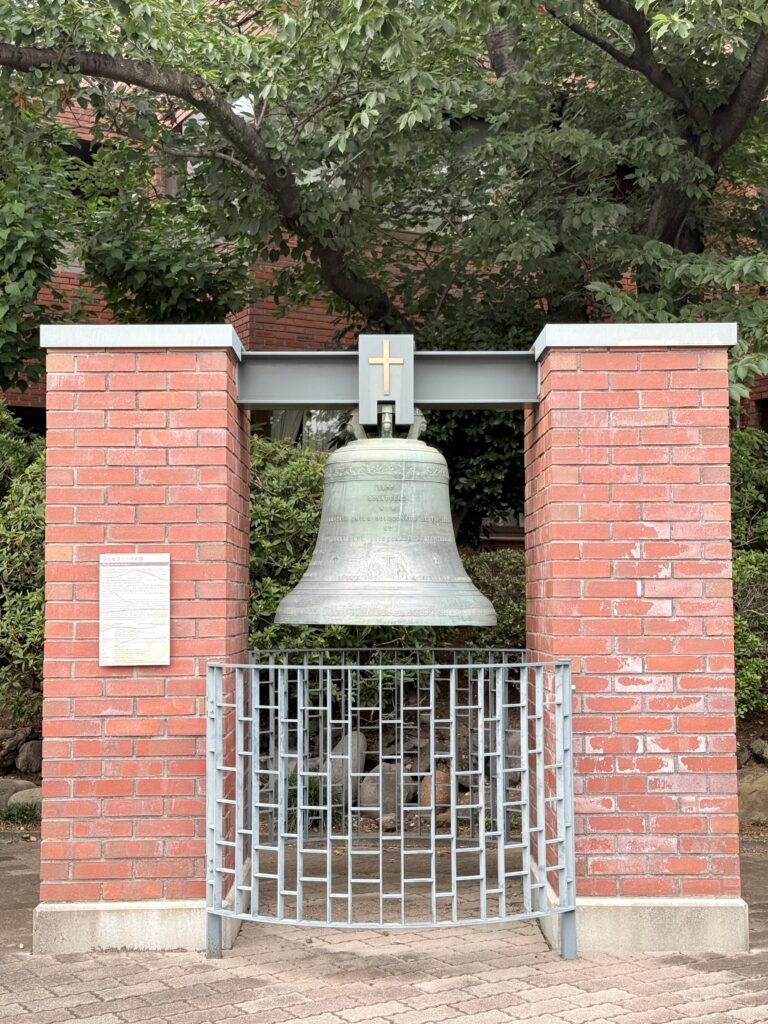
Near the grotto is the Josephine Bell, which was brought from France in 1877. This historic bell preserves the memory of the development of the Catholic Church in Japan since the Meiji period.
A shop is also located inside the information center near the entrance to the grounds. It offers books on Catholicism and the history of Christianity, as well as stationery and small religious items.
The Lourdes Grotto
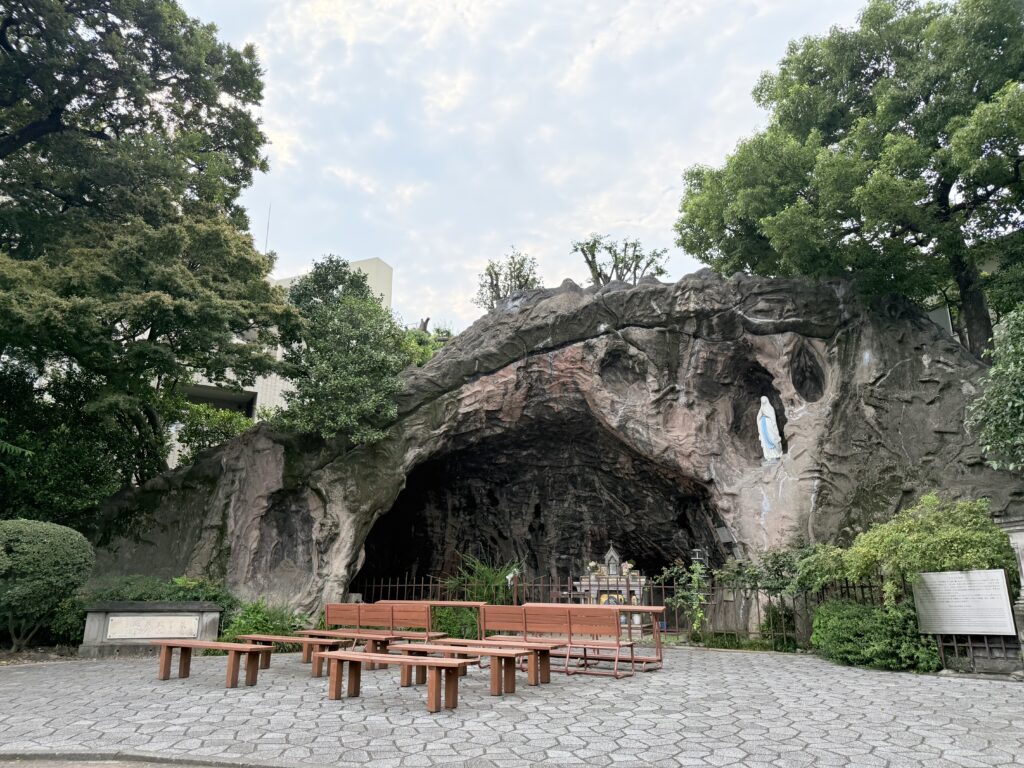
In the town of Lourdes in southwestern France lies one of the world’s most famous Catholic pilgrimage sites.
In February 1858, the Virgin Mary is said to have appeared to a 14-year-old girl named Bernadette Soubirous. Following the Virgin’s instructions, Bernadette dug into the ground at a designated spot, where a spring emerged. Soon afterward, numerous reports described people being healed after drinking or bathing in its waters. Since then, Lourdes has become a major pilgrimage destination, attracting millions of visitors from around the world who come to pray to the Virgin Mary.
The Lourdes Grotto within the grounds of St. Mary’s Cathedral, Tokyo was built as a replica of the original grotto in Lourdes, France. It was constructed in 1911 under the direction of the French missionary Father Demange and designed by the Czech architect Jan Letzel, who is also known for designing the building that later became the Hiroshima Peace Memorial (Atomic Bomb Dome).
History of St. Mary’s Cathedral, Tokyo
The predecessor of St. Mary’s Cathedral, Tokyo, was built in 1899 as the chapel of the French School of Our Lady. In 1920, it became the cathedral of the Archdiocese of Tokyo and began serving as a central institution of the Catholic Church in the capital.
The original cathedral was destroyed during the Tokyo air raids of 1945. After the war, reconstruction proceeded with support from the Archdiocese of Cologne in Germany and other organizations, and the present cathedral was completed in 1964.
The building was designed by Kenzo Tange, the internationally renowned Japanese architect behind such landmarks as Yoyogi National Gymnasium and the Tokyo Metropolitan Government Building. Its innovative structure forms the shape of a cross when viewed from above. Widely regarded as one of Tange’s masterpieces, the cathedral brings together the principles of modern architecture and the symbolism of Christianity.
Nearby Information
The surrounding area is home to several cultural sites where visitors can explore the history of modern Japan, including the Naruse Memorial Museum at Japan Women’s University and the Zoshigaya Missionary House Museum. Visiting these places together offers a glimpse into how Japan entered a new era from the Meiji through the Showa periods while embracing Western education, culture, and religion.
A little farther away lies the verdant Mejiro Teiei Garden. After exploring the area’s historic sites, visitors may also enjoy a leisurely stroll through its peaceful grounds.
Access