About the Museum
- Museum type
- History & Archaeology Museum
- Hours
- 10:00–17:00
- Open
- Weekdays (Temporary closures may occur. Please check the official website for details)
- Admission
- Free
- Suggested visit time
- Quick: ~20 min / Unhurried: ~40 min
- Website&SNS
- Official website
- Address
- 7-3-1, Hongo, Bunkyo-ku, Tokyo(Map)
- Phone
- +81 50-5541-8600
- Nearest station
- Hongo-sanchome Station
What Is the University Museum, the University of Tokyo?
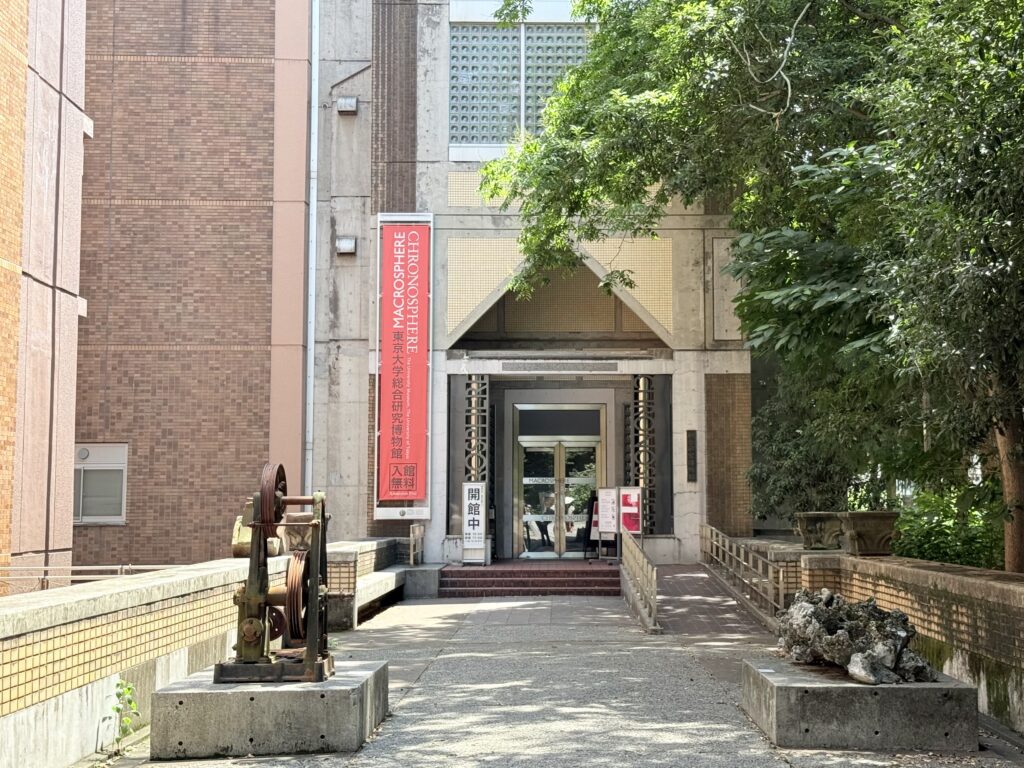
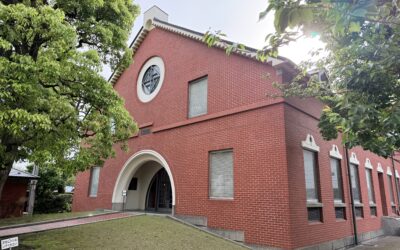
The University Museum, the University of Tokyo (UMUT), is a museum affiliated with the University of Tokyo, one of Japan’s leading institutions of higher education. Its permanent exhibition facility on the university’s Hongo Campus is also known as the “UMUT Open Lab.”
The museum showcases the accumulated achievements of academic inquiry—humanity’s ongoing pursuit of truth through the preservation and analysis of knowledge, as well as the development of new theories and ideas that advance our understanding of the world. Through its exhibitions, these collections and research activities, which are essential to human progress, are made accessible to the public.
Visitors can encounter valuable academic specimens and research materials gathered not only in laboratories but also through fieldwork conducted around the world.
The interior is designed in dark, subdued tones, creating a calm and contemporary atmosphere where visitors can step away from the demands of daily life and explore the exhibits at a leisurely pace.
Research facilities, including the radiocarbon dating laboratory, can also be viewed through glass panels, offering visitors a glimpse into the university’s ongoing scientific work.
Bringing together knowledge and research produced by one of Japan’s most internationally respected educational institutions, the museum offers a place to leave everyday life behind and awaken your curiosity.
Visitor Information
The museum occupies two floors, and its permanent exhibition is divided into eight sections. Each section presents a wide range of academic materials—including specimens, samples, artifacts, and models—collected by the University of Tokyo through many years of research.
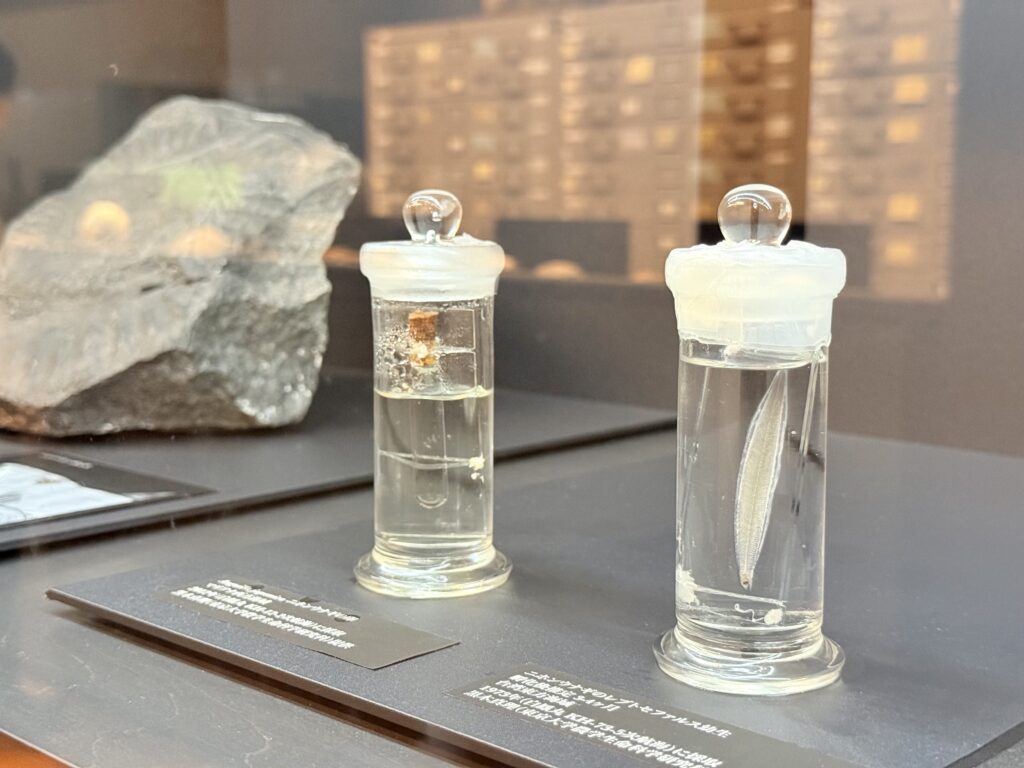
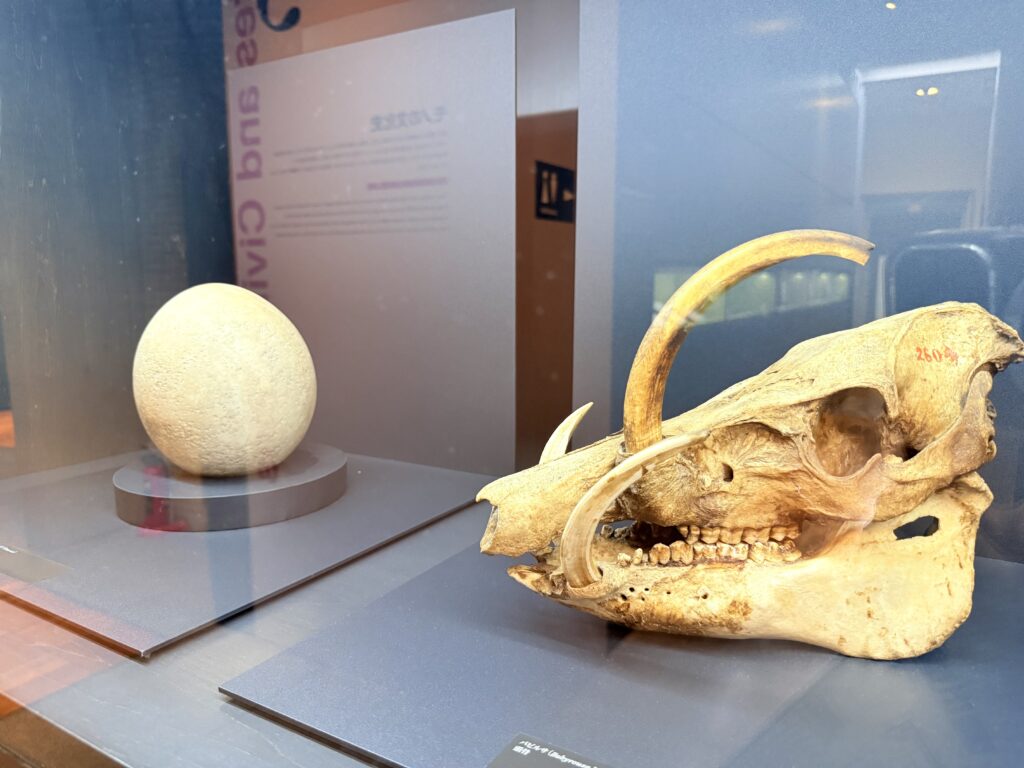
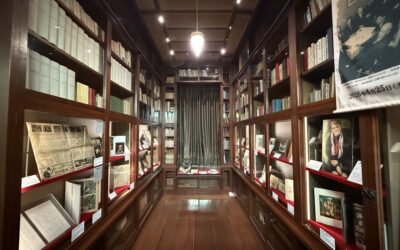
Extending from near the entrance into the interior of the museum, the “Specimen Corridor” displays meteorites, mineral samples, replica models, insects, animals, and birds’ eggs. Materials from different academic fields are presented together in a single space, offering visitors a sense of the remarkable breadth of the university’s collections.
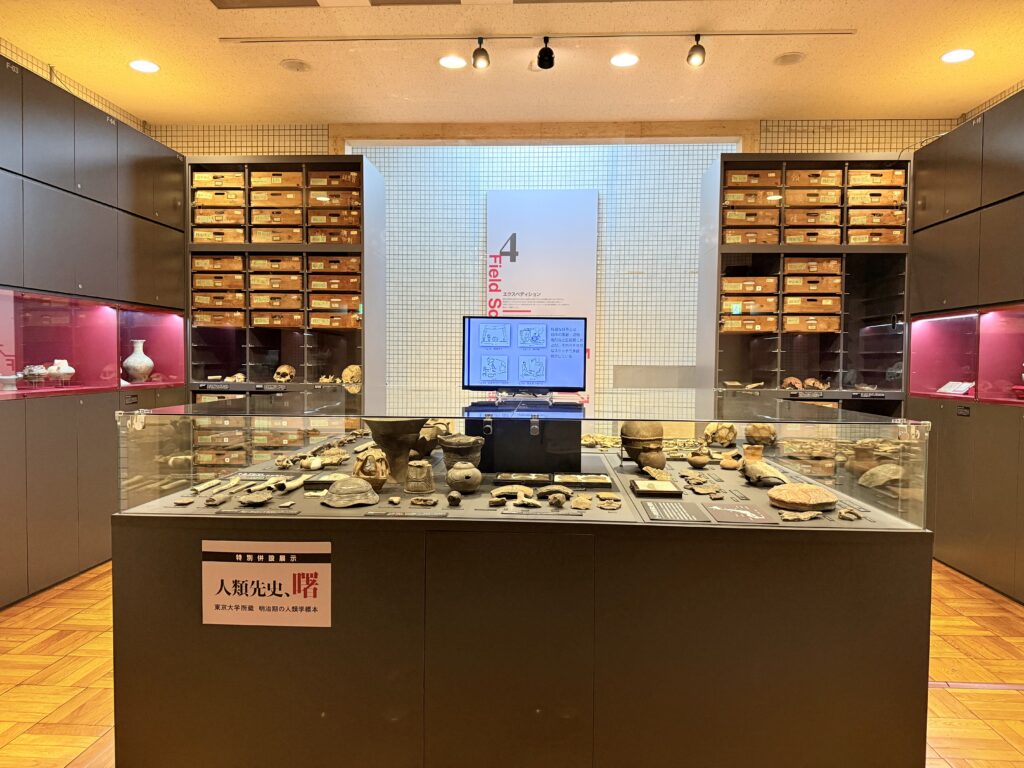
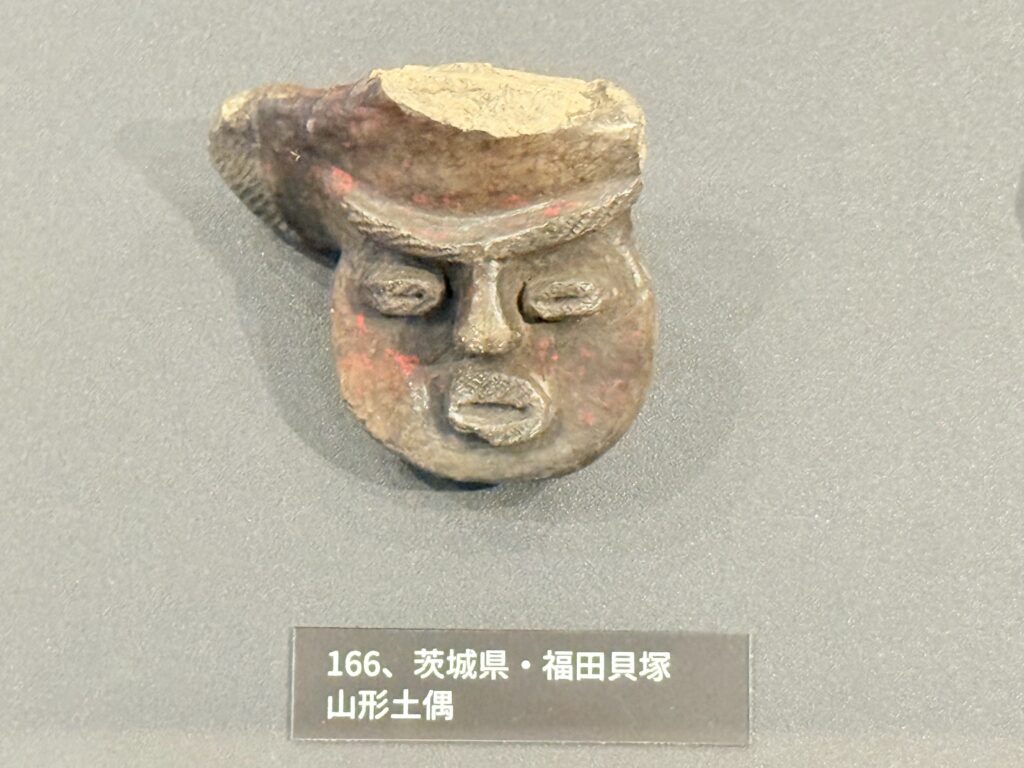
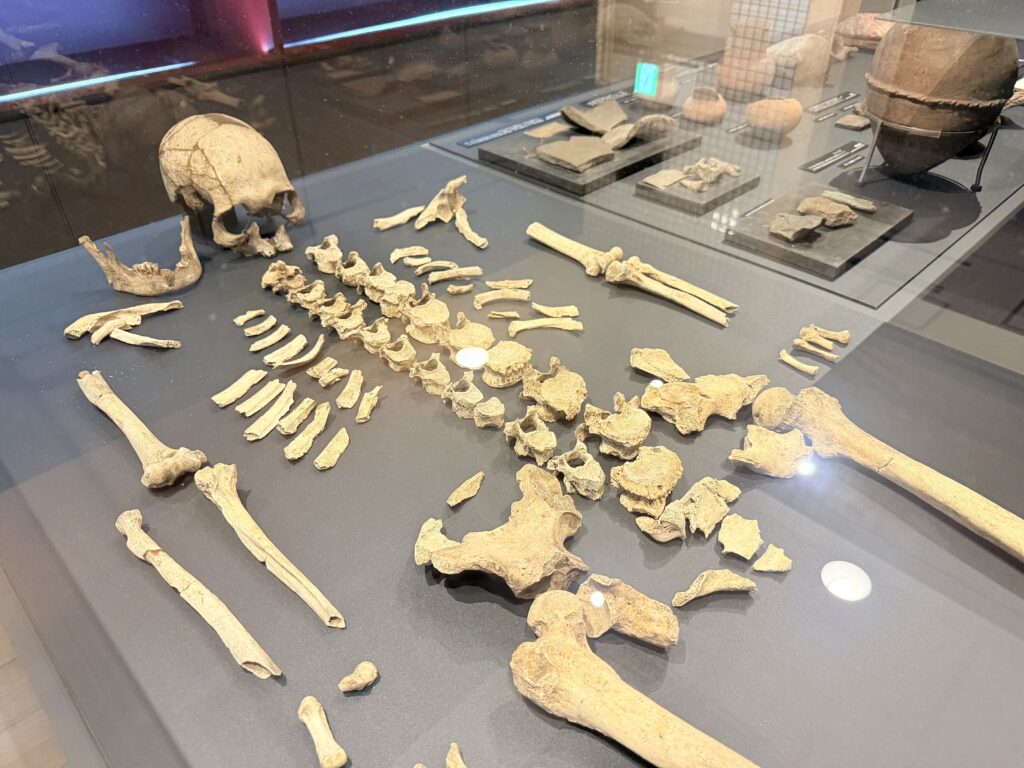
The “Cultural History of Objects” section features archaeological materials collected by the University of Tokyo. Highlights include the complete skeleton of a Jomon-period individual, shell-mound artifacts associated with Edward S. Morse, who played an important role in the development of modern archaeology in Japan, as well as pottery, stone tools, and clay figurines excavated from sites across the country.
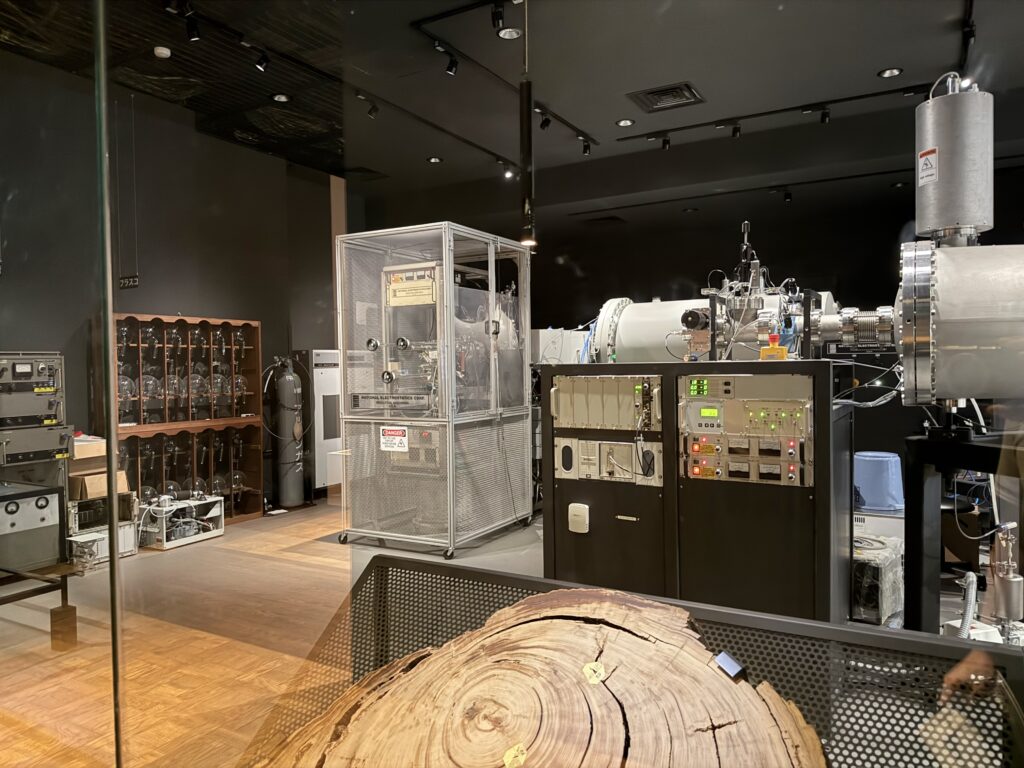
The “Chronosphere” section introduces advanced scientific research related to radiocarbon dating. Visitors can learn about modern techniques used to determine the age of organisms and artifacts from the past.
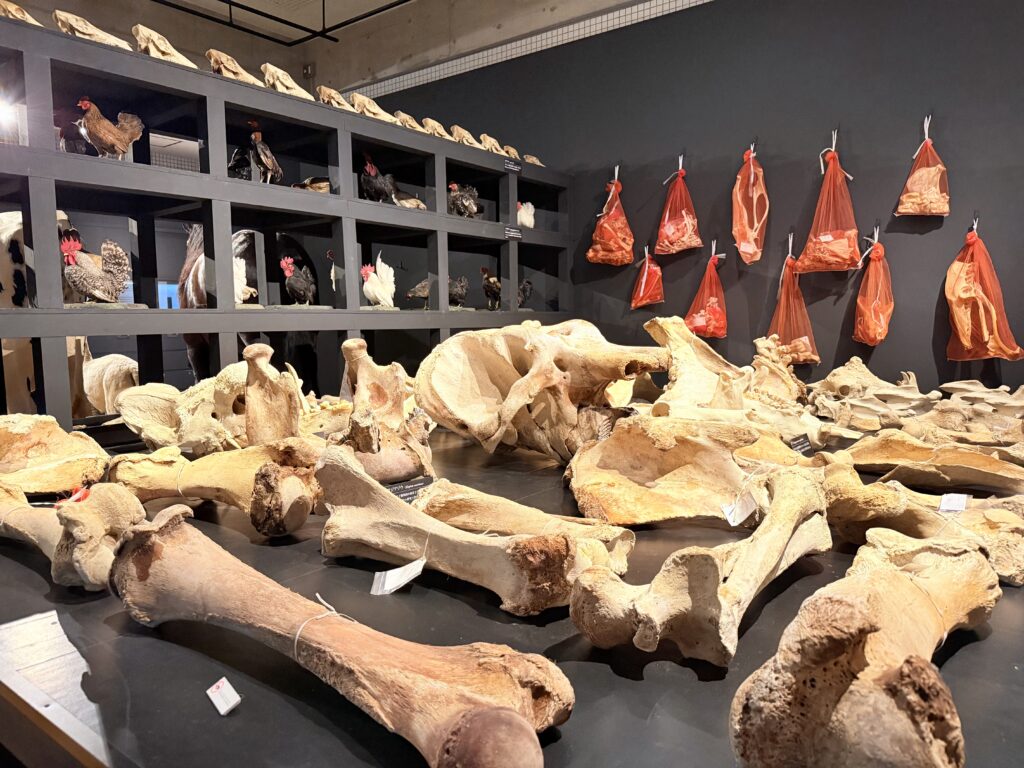
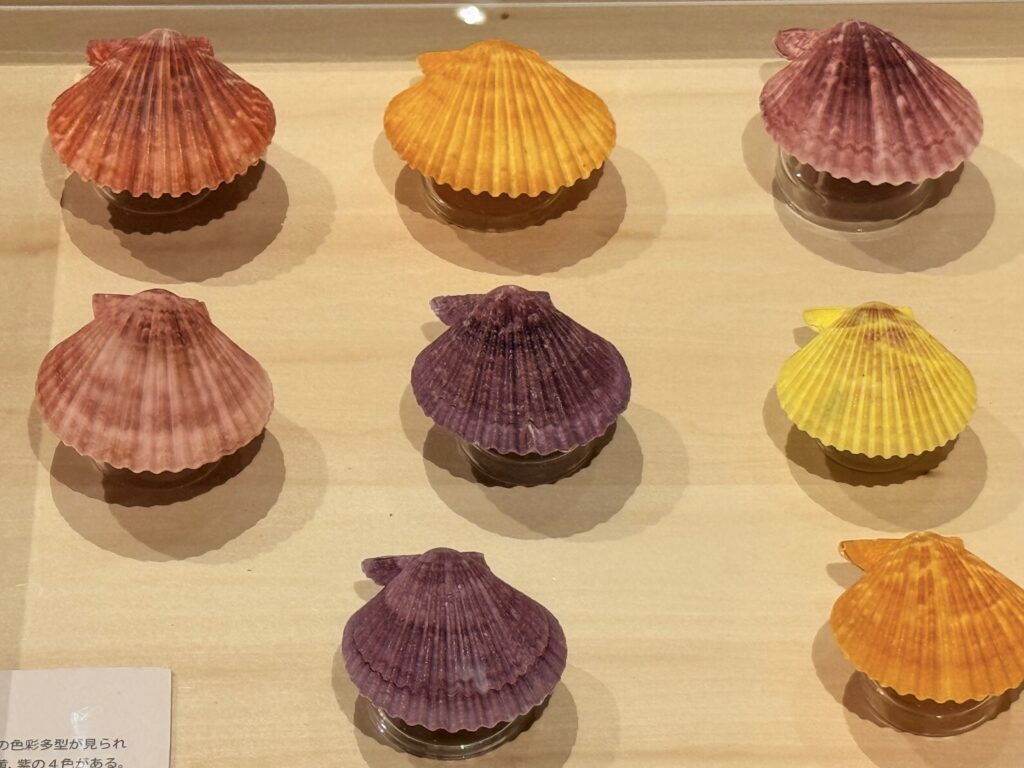
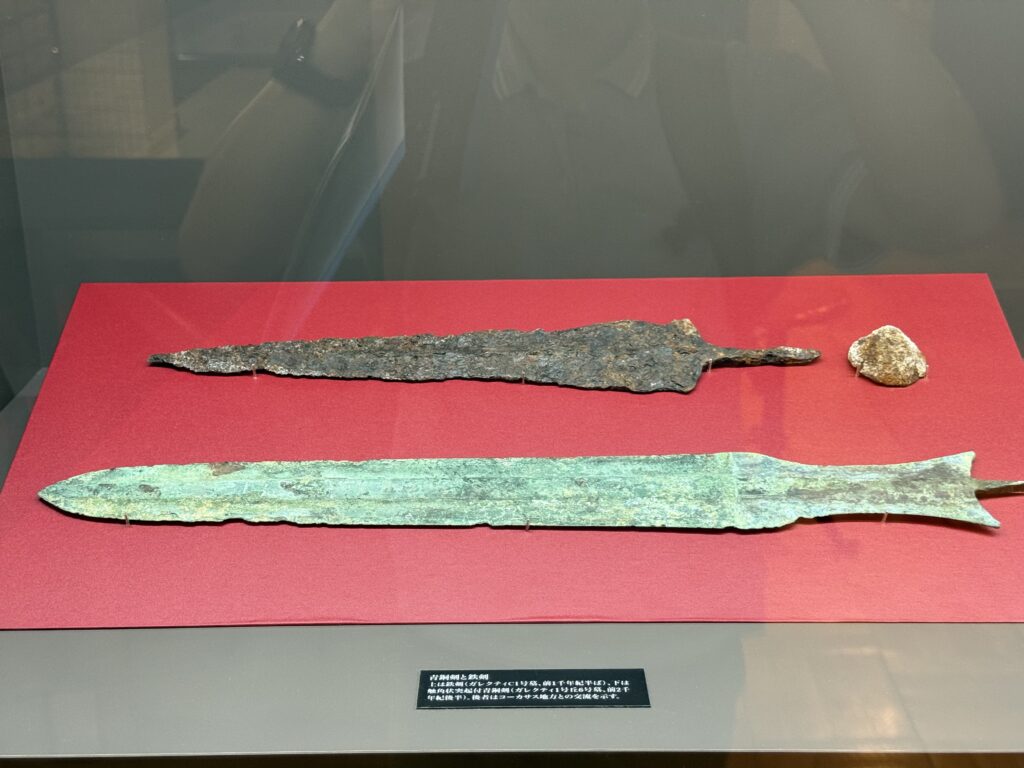
Other sections include “The History of Academic Specimens,” “Environment and Living Organisms,” “The Transmission of Knowledge,” “Infinite Remains,” and “Overseas Academic Research.” Together, they provide access to academic materials spanning a broad range of fields, from the natural sciences to cultural history.
The Special Exhibition Room also hosts temporary exhibitions featuring research achievements and materials from the University of Tokyo’s collections.
Highlights of the Museum
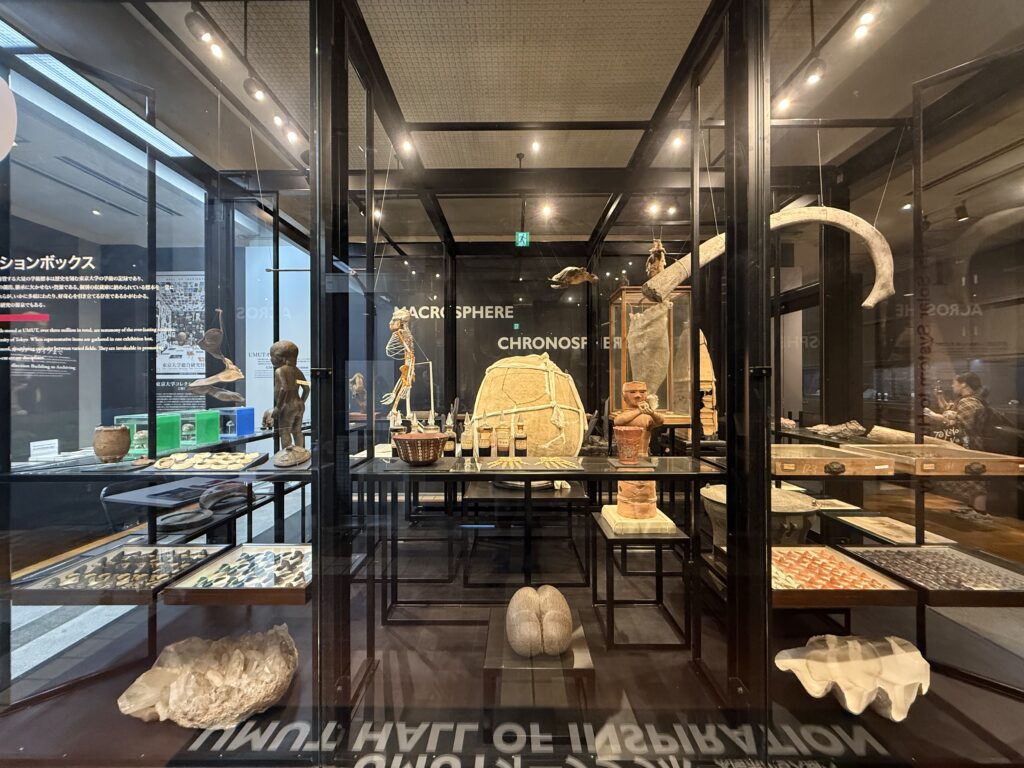
One of the first things visitors notice upon entering the museum is the UMUT Collection Box in the entrance hall.
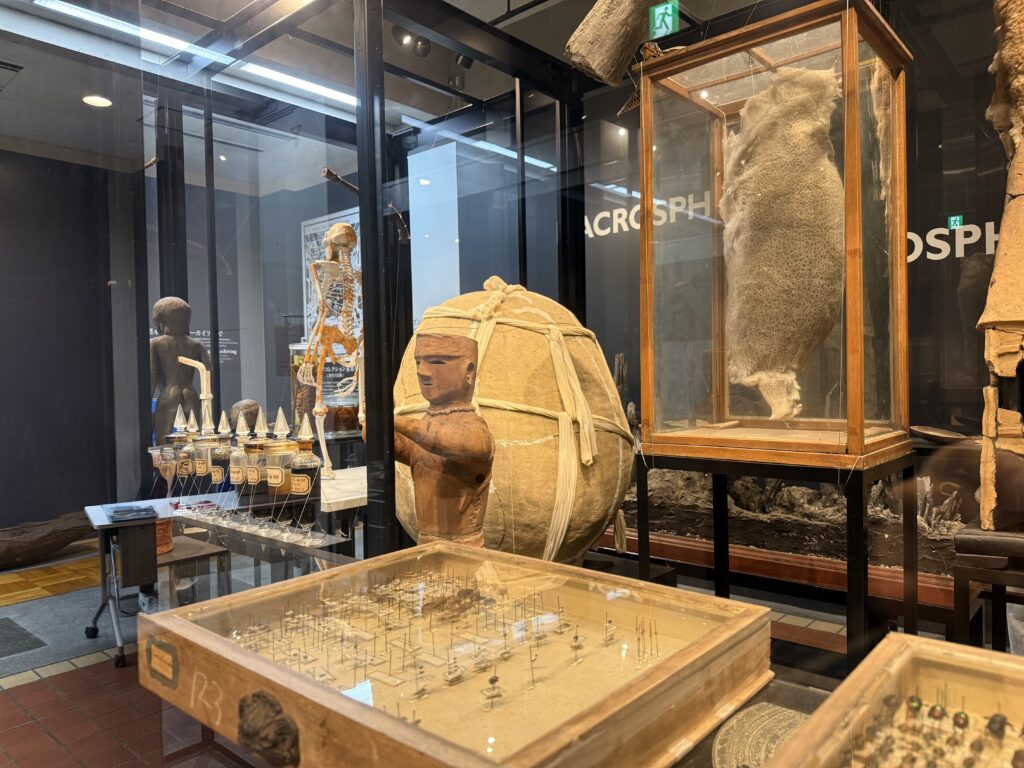
Inside this glass display case, measuring approximately three meters on each side, are academic materials collected by the University of Tokyo from around the world. Haniwa clay figures excavated in Japan, butterfly specimens collected in India, artifacts from Peru’s Nazca culture, and many other objects from different disciplines are brought together in a single, striking display.
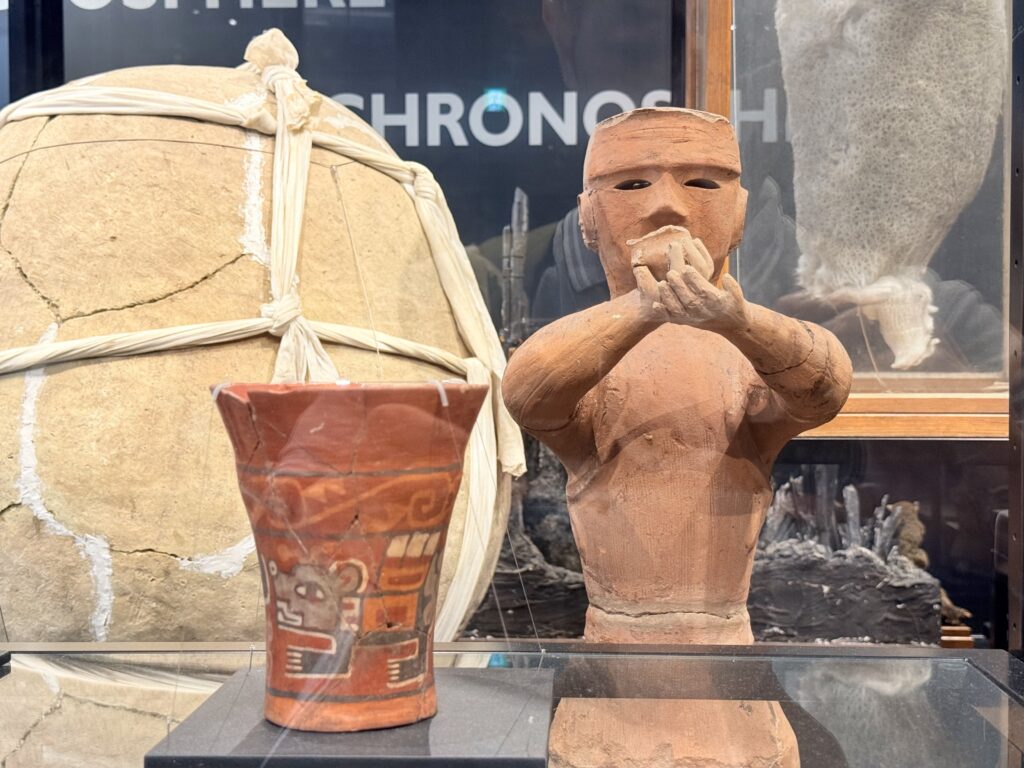
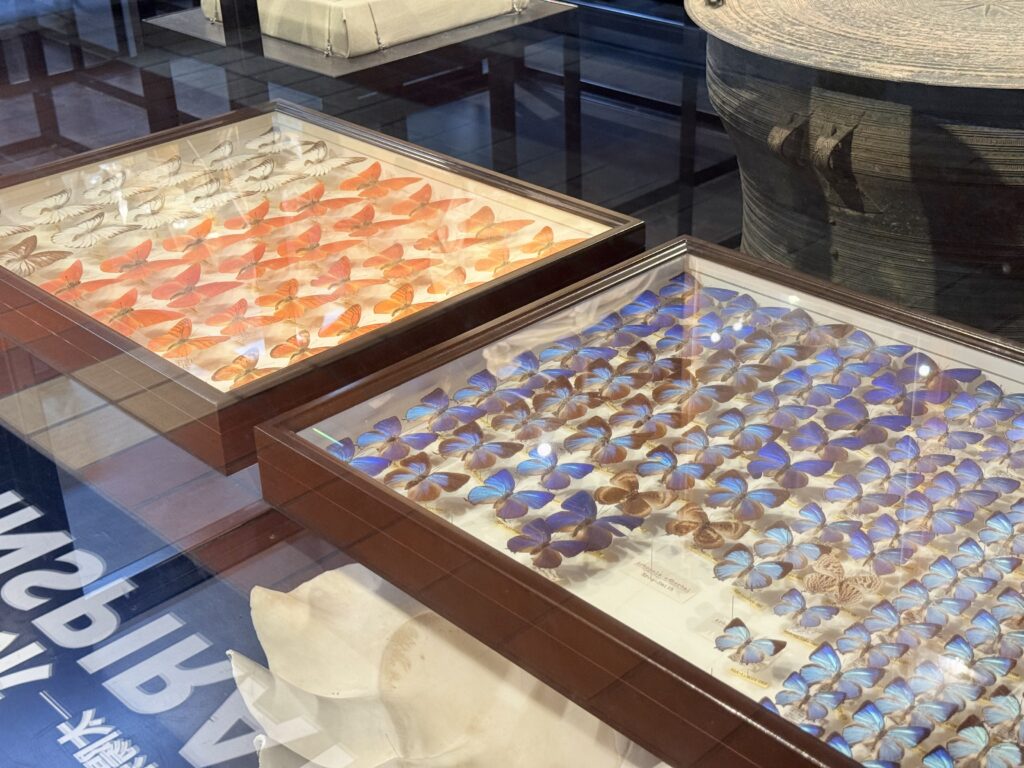
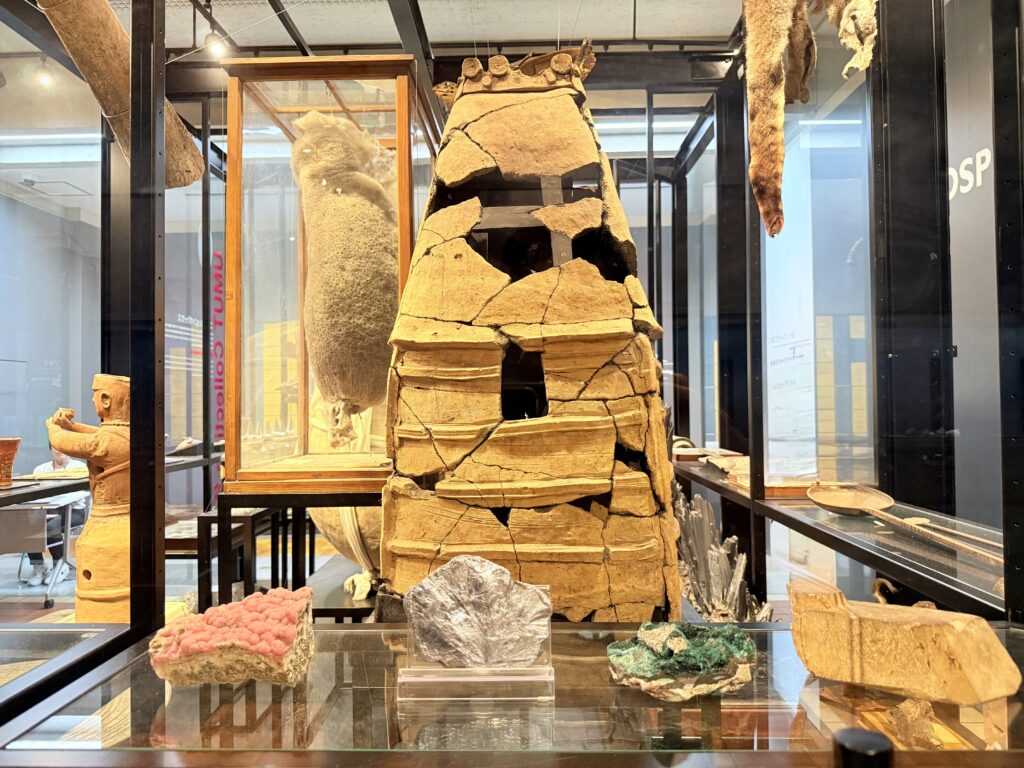
The Collection Box is impressive at first glance, but it is worth returning to after exploring the museum. Viewing it again with the knowledge gained from the exhibitions allows visitors to better appreciate the academic significance and historical context of each object, often revealing details that might have been overlooked on a first visit.
Nearby Information
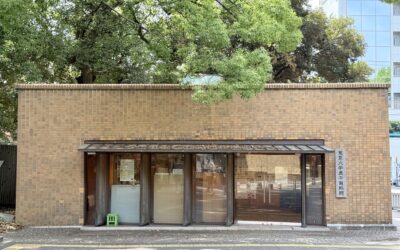
Within the Hongo Campus of the University of Tokyo is the Agricultural Museum of the University of Tokyo, which introduces the life of the faithful dog Hachiko and his connection to the university. As it is a relatively small museum, it can easily be visited together with the University Museum.
A short walk from Hongo toward the Jimbocho district brings visitors to one of Japan’s most famous neighborhoods for secondhand bookstores. Lined with shops specializing in everything from academic publications and rare books to out-of-print editions, the area is a delight for anyone who enjoys browsing books.
After satisfying your intellectual curiosity at the museum, spending time wandering through Jimbocho’s historic bookshops in search of an unexpected literary treasure is one of the unique pleasures this neighborhood has to offer.
Access

Comments are closed.