About the Museum
- Museum type
- Art Museum
- Hours
- 09:30–16:30
- Closed
- Mondays & Thursdays (Open on holidays and closed on the day following a holiday), New Year holidays
- Admission
- ¥500
- Suggested visit time
- Quick: ~15 min / Unhurried: ~35 min
- Website
- Official website(JP)
- Address
- 7-18-10, Yanaka, Taito-city, Tokyo(Map)
- Phone
- +81 3-3821-4549
- Nearest station
- Nippori Station
What Is the Asakura Museum of Sculpture?
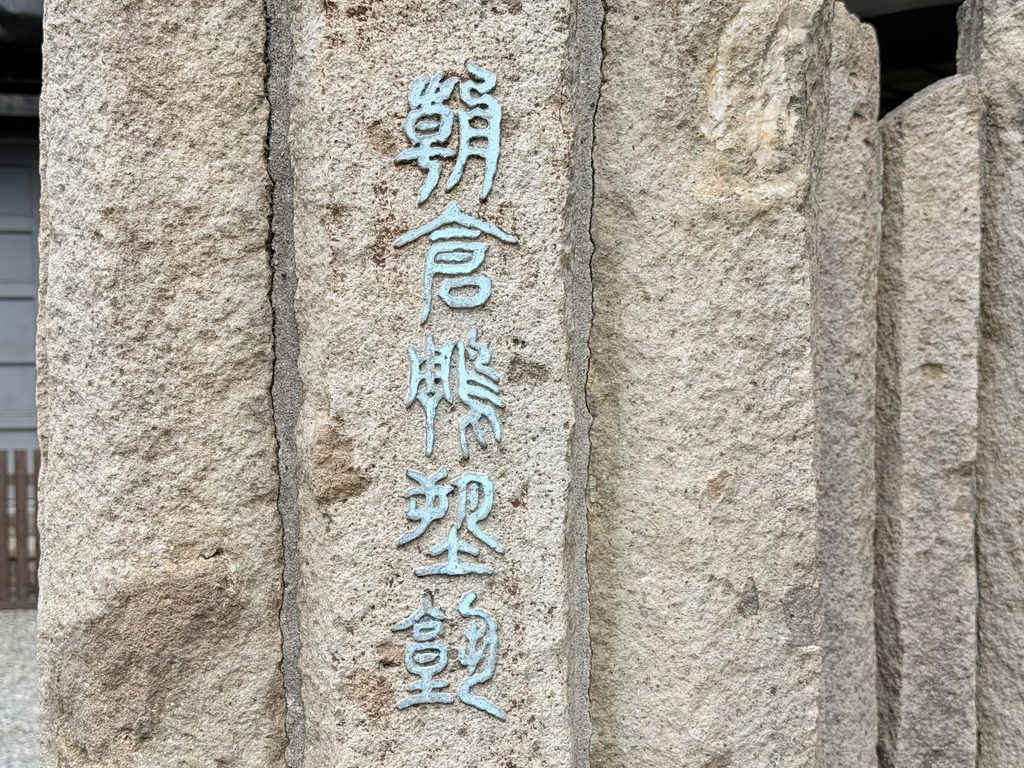
The Asakura Museum of Sculpture is a beautifully preserved museum in the quiet, traditional neighborhood of Nippori, where Japanese and Western architectural styles come together in remarkable harmony.
The building once served as both the home and studio of Fumio Asakura, a sculptor born in the Meiji period who became one of the leading figures in modern Japanese sculpture from the early 20th century through the postwar years.
Asakura’s artistic sensibility can be felt throughout the building. A traditional wooden Japanese residence stands alongside a modern reinforced-concrete studio, creating an elegant balance between two very different architectural styles. The result is a space that feels both dignified and deeply calming.
There is much to discover inside. Highlights include a Japanese garden centered around the “Goten no Ike” pond, which Asakura designed as a place for self-reflection, a peaceful study lined from floor to ceiling with books, and a collection of sculptures created by Asakura himself.
With its beautiful fusion of Japanese and Western architecture and the powerful works of a master sculptor, the museum offers visitors a rare opportunity to experience the atmosphere in which Asakura lived and created. It is a place to slow down and quietly explore the world of one of the great figures of modern Japanese sculpture.
Visitor Information
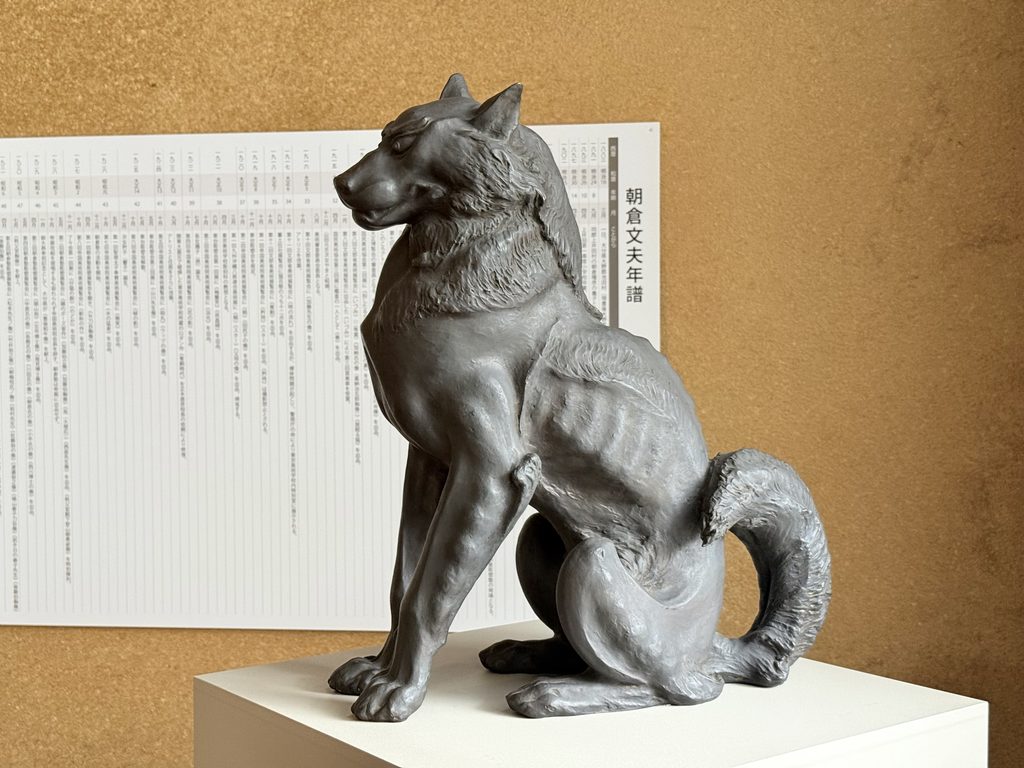
The Asakura Museum of Sculpture occupies Fumio Asakura’s former residence and studio, allowing visitors to experience the spaces in which he both lived and worked.
The museum can broadly be divided into two areas: the studio building and the traditional wooden residence.
The studio building includes the main studio, study, Asahi-no-Ma room, and rooftop.
The studio itself is a spacious room carefully designed with natural light and shadow in mind. Here, visitors can view Asakura’s sculptures in the very environment where he once worked.
The study has a heavier, more intimate atmosphere, with books filling the walls from floor to ceiling. It offers a glimpse into the intellectual side of Asakura’s life and the surroundings that supported his creative work.
Asahi-no-Ma is a traditional Japanese-style guest room, yet its generous use of sunlight gives the space an unusually bright and open feeling.
During Asakura’s lifetime, the rooftop was used as a vegetable garden. A large olive tree still remains there today, preserving a small trace of his everyday life.
The wooden residence, by contrast, served as Asakura’s private living quarters. Built in a traditional Japanese style, the rooms are arranged around a Japanese garden, creating a calm and intimate atmosphere that evokes everyday life in the early Showa period.
In the bedroom, visitors can also see 14 Southeast Asian bronze objects that Asakura collected near Borneo in 1911.
The Piano Room features a video presentation introducing Asakura’s life and career.
Museum Highlight
One of the museum’s most beautiful features is the courtyard garden centered around the “Goten no Ike” pond.
The garden can be viewed from several rooms in the traditional wooden residence, but one of the best places to appreciate it is from Soshin-no-Ma on the second floor.
Sitting quietly and listening to the sound of water while looking out over the garden offers a peaceful break from the noise and pace of everyday life.
It is an ideal place to slow down and experience the sense of calm and beauty that Asakura sought to create within his home.
Who Was Fumio Asakura?
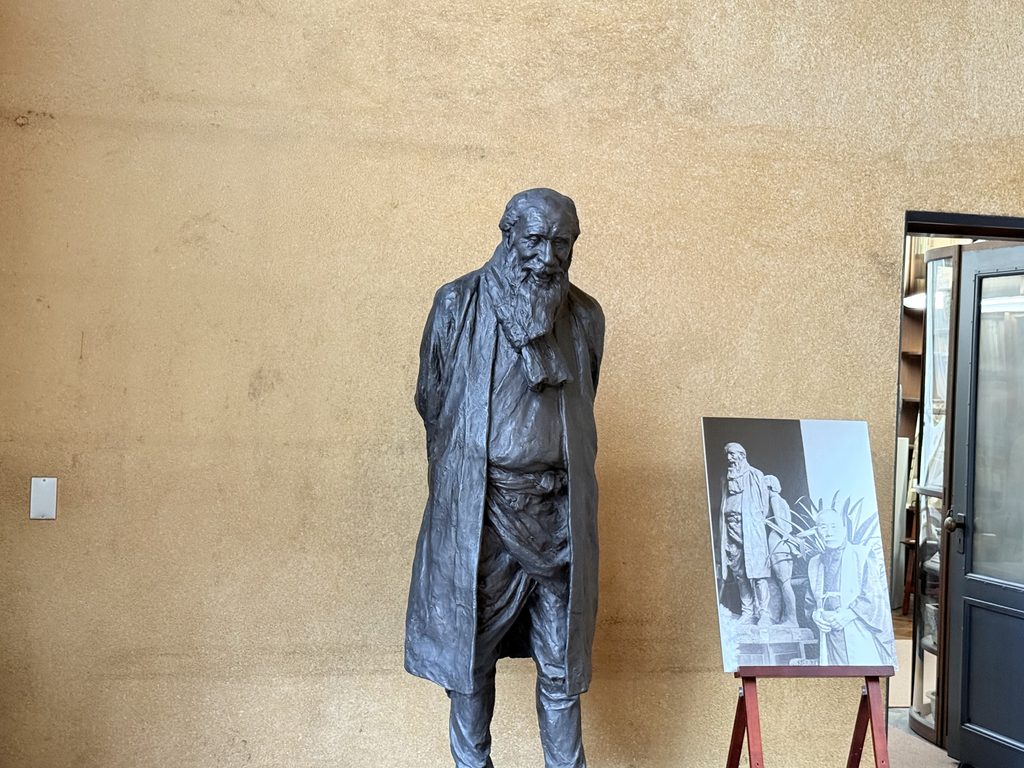
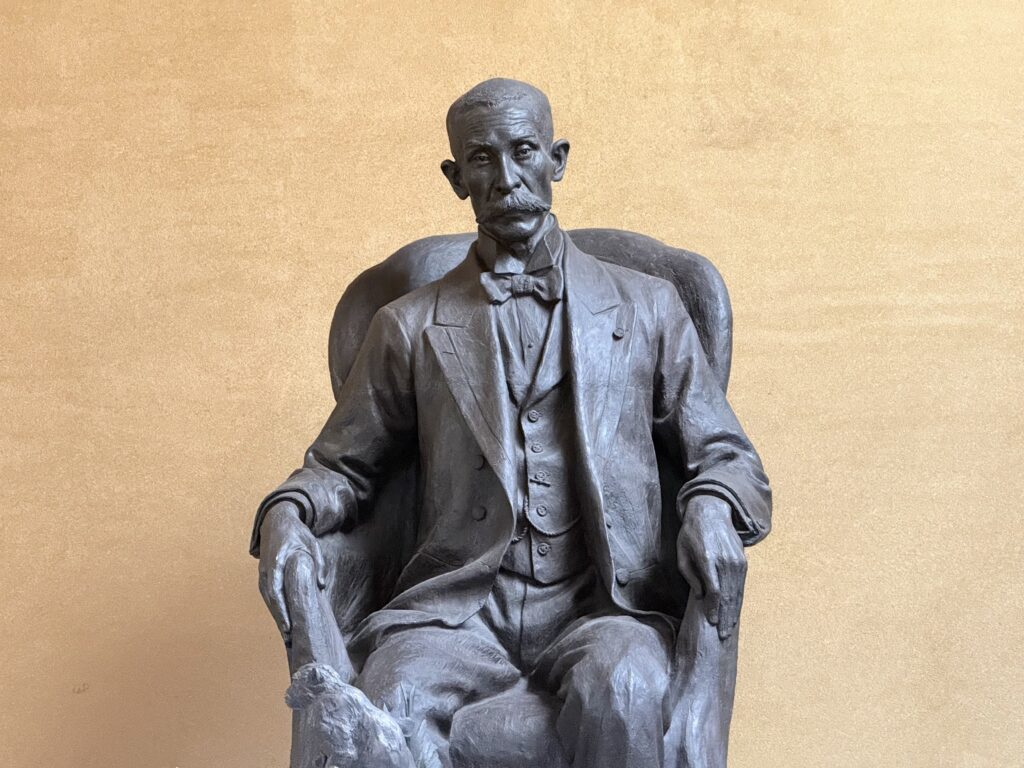
Fumio Asakura (1883–1964) was one of the leading figures in modern Japanese sculpture.
Born in Oita Prefecture, he studied sculpture at the Tokyo School of Fine Arts and became highly regarded for his realistic portraits and animal sculptures. His work is known for its careful observation of the subject, capturing not only physical appearance but also expression and individual character.
Asakura was also deeply committed to educating the next generation of sculptors. At his home and studio, he taught many young artists and had a lasting influence on the development of modern sculpture in Japan.
In 1948, he became the first sculptor to receive Japan’s Order of Culture.
Today’s Asakura Museum of Sculpture is the very home and studio where he lived, created his works, and taught his students. Visitors can experience not only Asakura’s sculptures, but also something of the atmosphere in which he lived and worked.
Nearby Information
The Asakura Museum of Sculpture is located near Nippori Station in the popular Yanaka area, one of Tokyo’s best-known traditional neighborhoods.
Several cultural attractions can be found nearby, including the Teramachi Art Museum, the Calligraphy Museum, and the Ichiyo Memorial Museum. With a little extra travel, visitors can also easily reach the museums and cultural institutions of Ueno.
The museum is also close to Yanaka Ginza, a lively shopping street known for its nostalgic downtown atmosphere and casual street food. After visiting the museum, exploring the streets of Yanaka and enjoying some local food is an excellent way to continue your visit.
Access