About the Museum
- Museum type
- Japanese Garden
- Hours
- 9:00–17:00 (9:00-19:00 in Jul. and Aug.)
- Close
- Second and fourth Mondays of each month. (If Monday falls on a national holiday, the garden is closed the following day.)
- Admission
- Free
- Suggested visit time
- Quick: ~10 min / Unhurried: ~25 min
- Website
- Official website(JP)
- Address
- 3-20-18 Mejiro, Toshima City, Tokyo (Map)
- Phone
- +81 3-5996-4810
- Nearest station
- Mejiro Station; Ikebukuro Station
About Mejiro Teien Garden
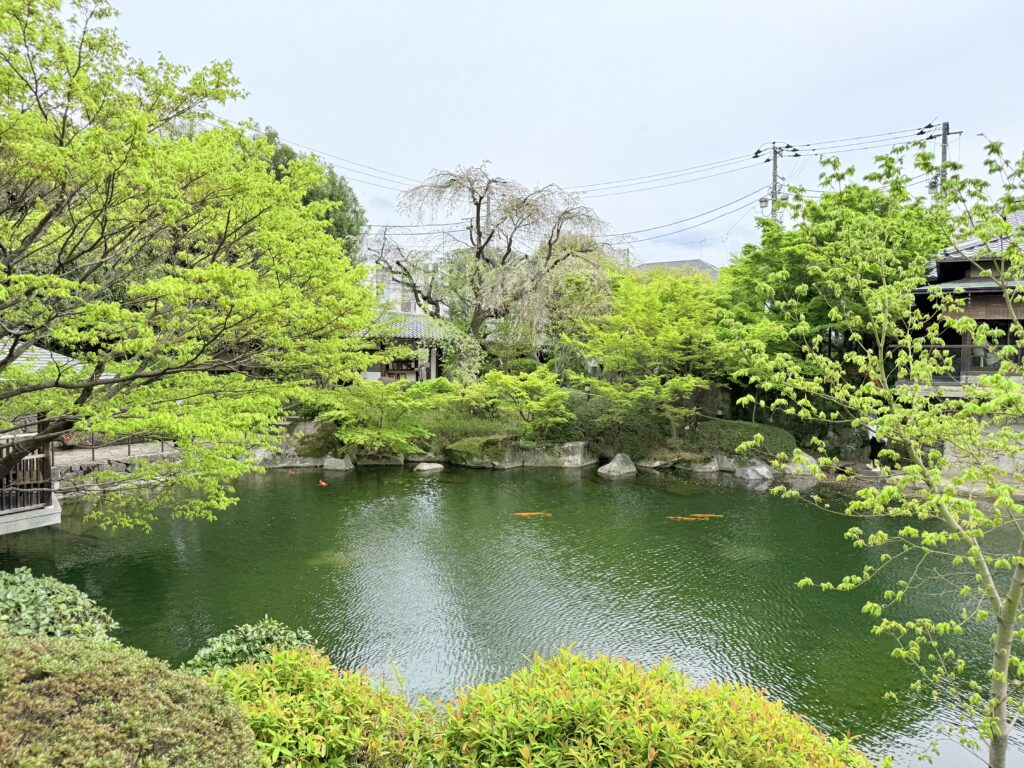
Mejiro Garden is a tranquil Japanese garden quietly nestled within a residential neighborhood near Mejiro Station. Established in 1990 as part of an urban initiative to enrich the living environment, it was designed as a place where people can connect with nature and experience traditional culture.
The garden was designed by Kunie Ito, an emeritus professor at Tokyo University of Agriculture and a leading authority on Japanese garden design.
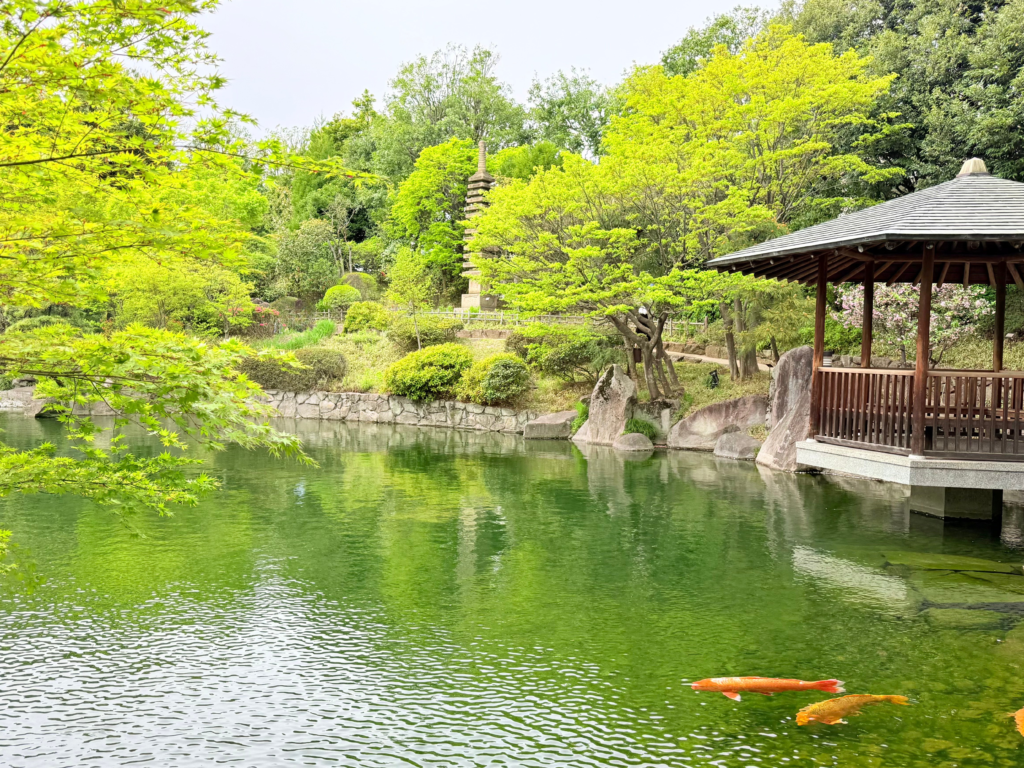
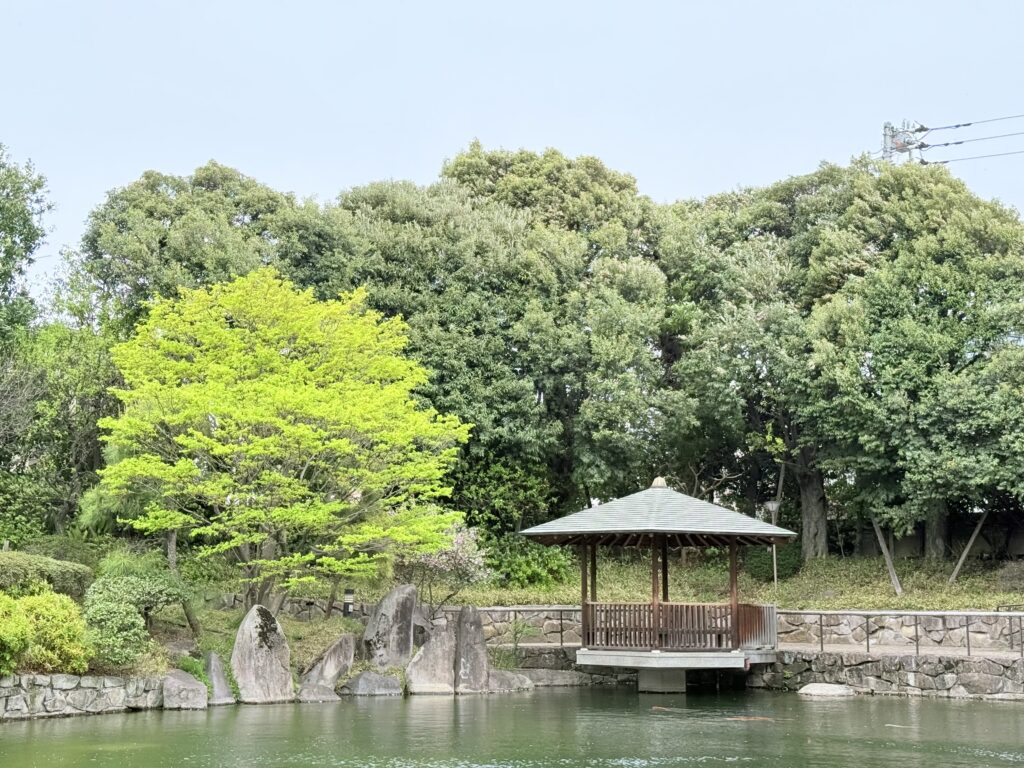
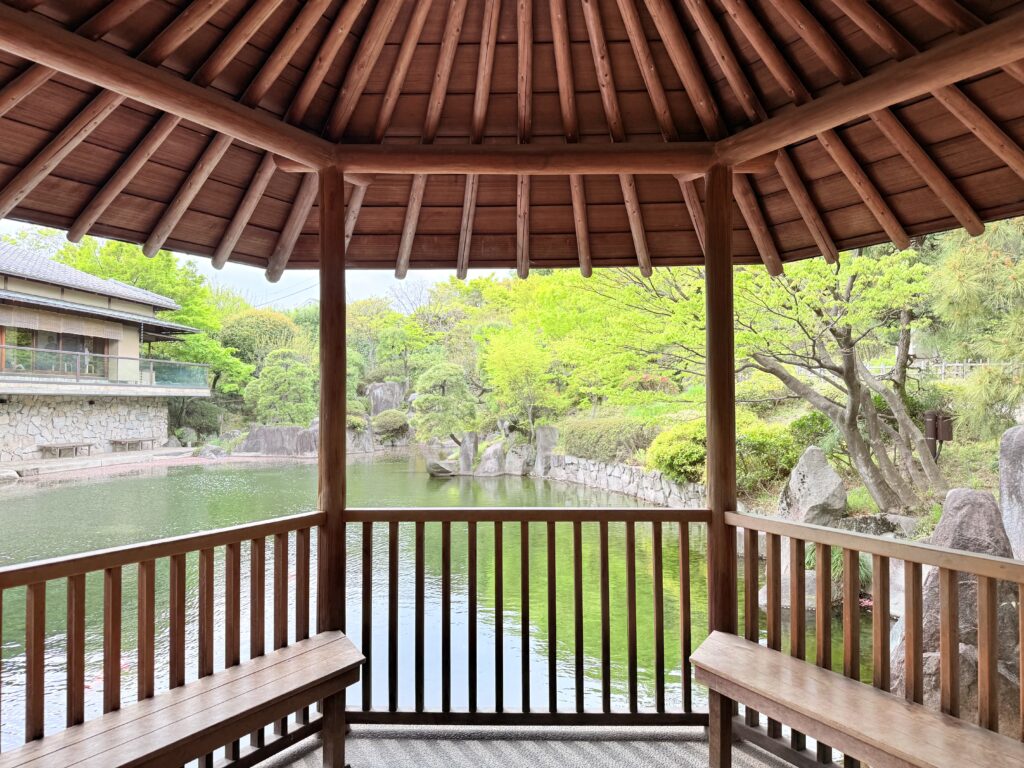
Covering an area roughly equivalent to eleven tennis courts, the garden incorporates a variety of elements that gently soothe its visitors. Seasonal plants, a central pond where koi swim alongside ducks and birds, a waterfall producing a calming sound, and a wooden hexagonal pavilion (ukimido) overlooking the water all contribute to a harmonious atmosphere.
Together, these features offer a quiet retreat from the pace of modern urban life.
Garden Features
Passing through the traditional nagaya-mon gate at the entrance, visitors are welcomed into the world of a classical Japanese garden.
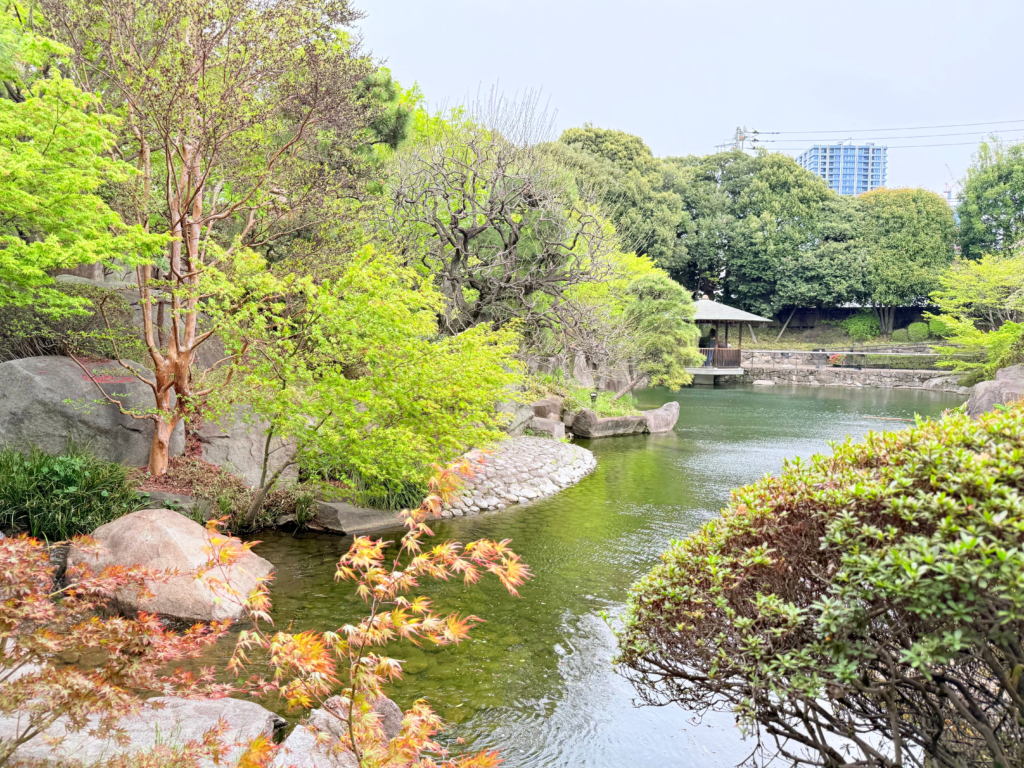
Mejiro Garden is designed in the kaiyu-shiki (strolling pond) style, in which a central pond is surrounded by paths that allow visitors to experience changing scenery as they walk. Carefully arranged viewpoints and pathways create a sequence of varied landscapes.
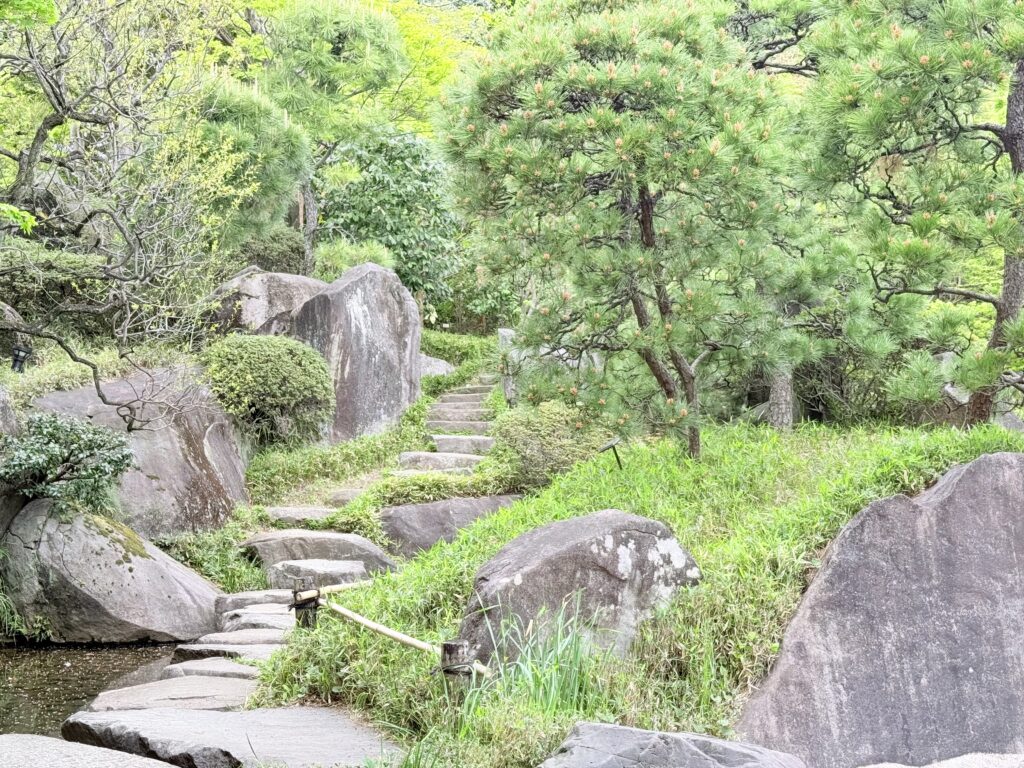
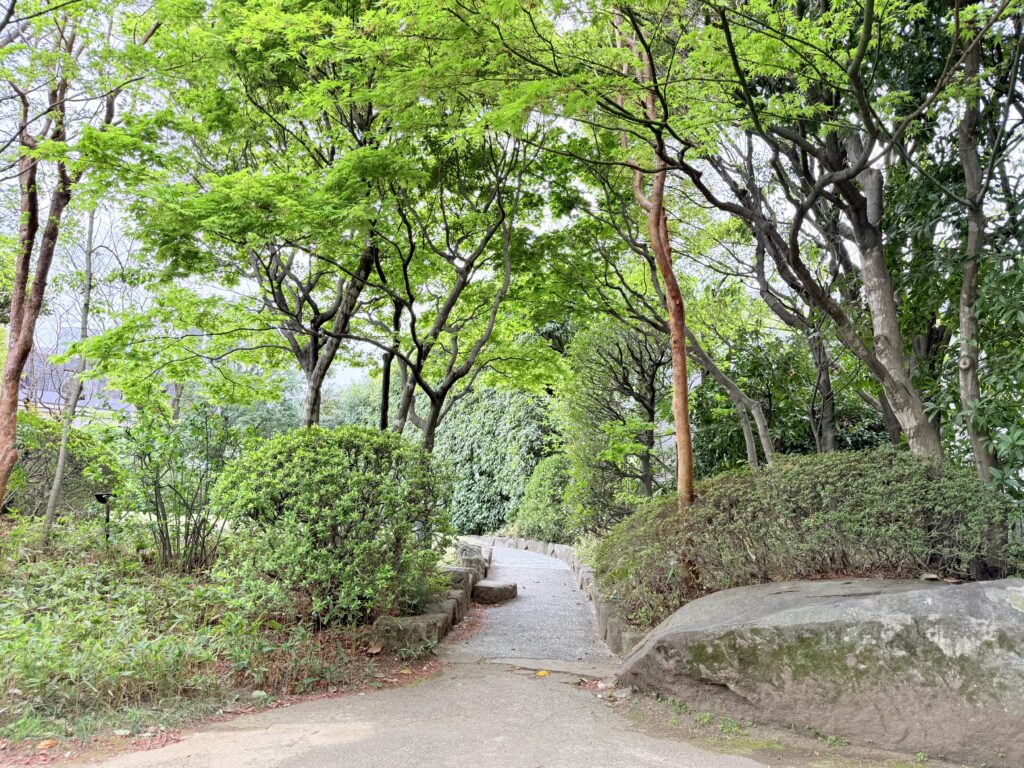
Benches are placed throughout the garden, and together with the floating hexagonal pavilion, they provide spaces for rest and quiet reflection.
Highlight
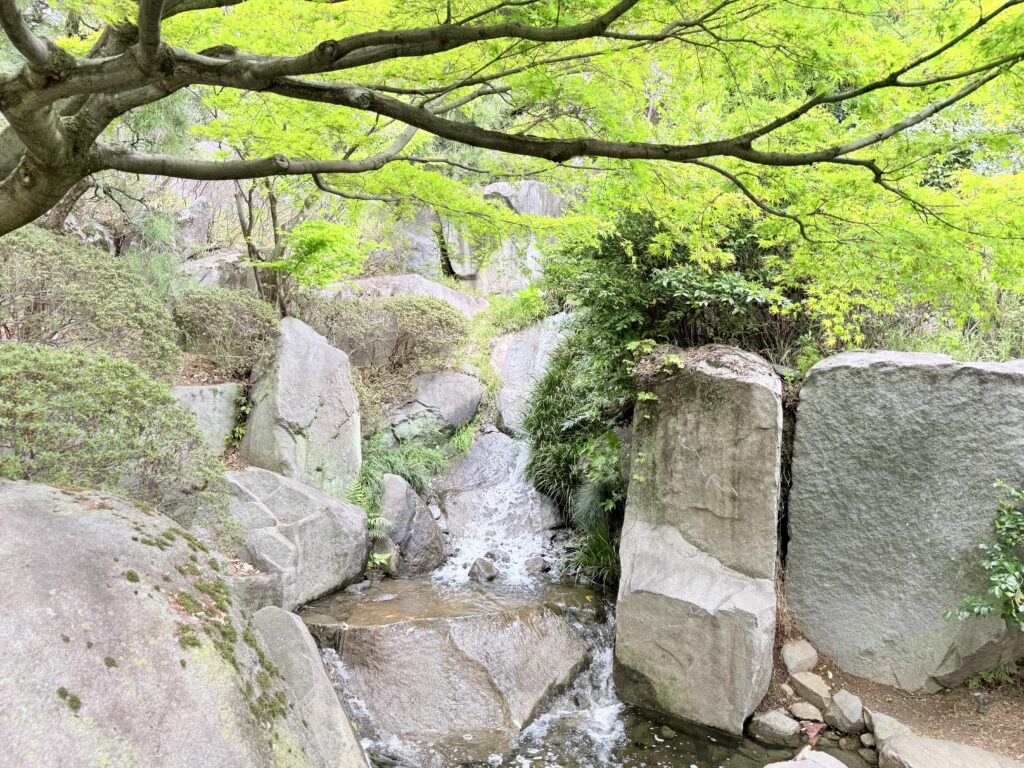
One of the key highlights of the garden is the waterfall located at the far end from the entrance.
In Japanese garden design, waterfalls are important elements used to evoke mountainous landscapes or valleys. At Mejiro Garden, the waterfall—though modest in scale—flows with a lively presence, blending seamlessly with the surrounding greenery and offering a calming visual and auditory experience.
Seasonal Plants
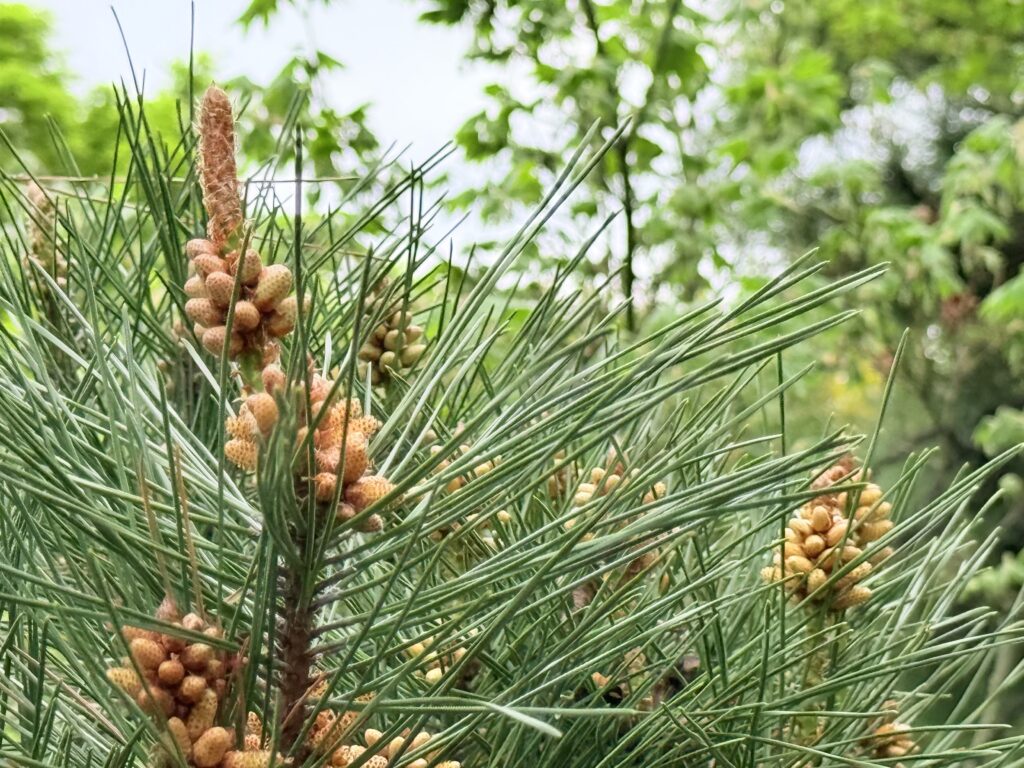
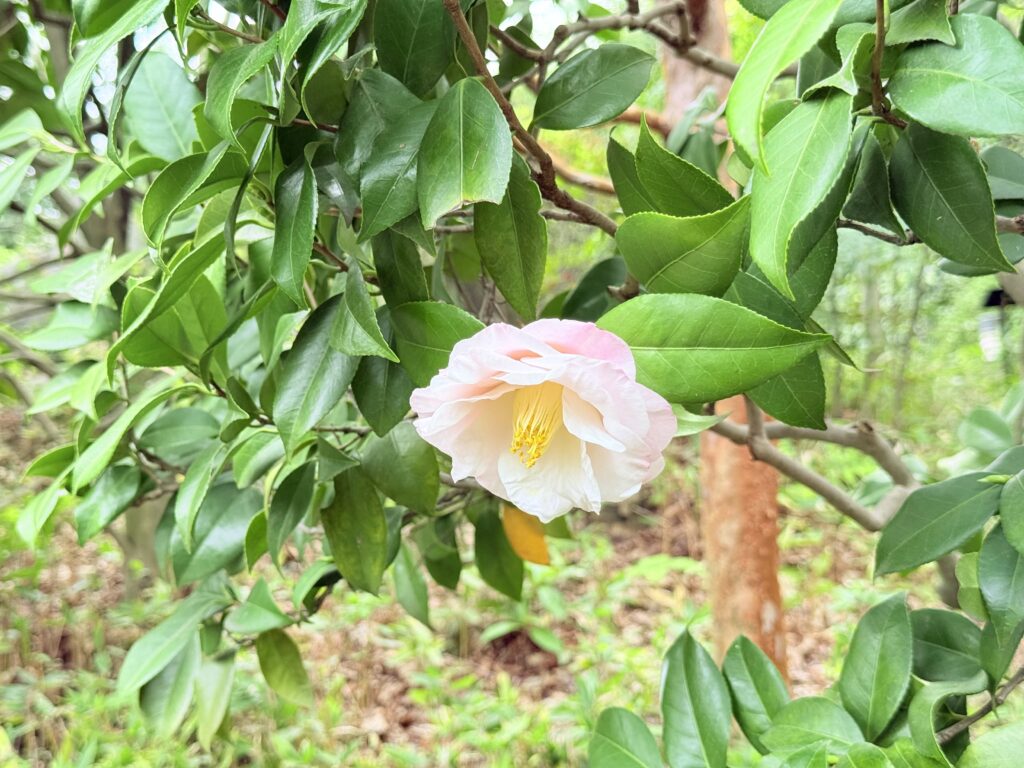
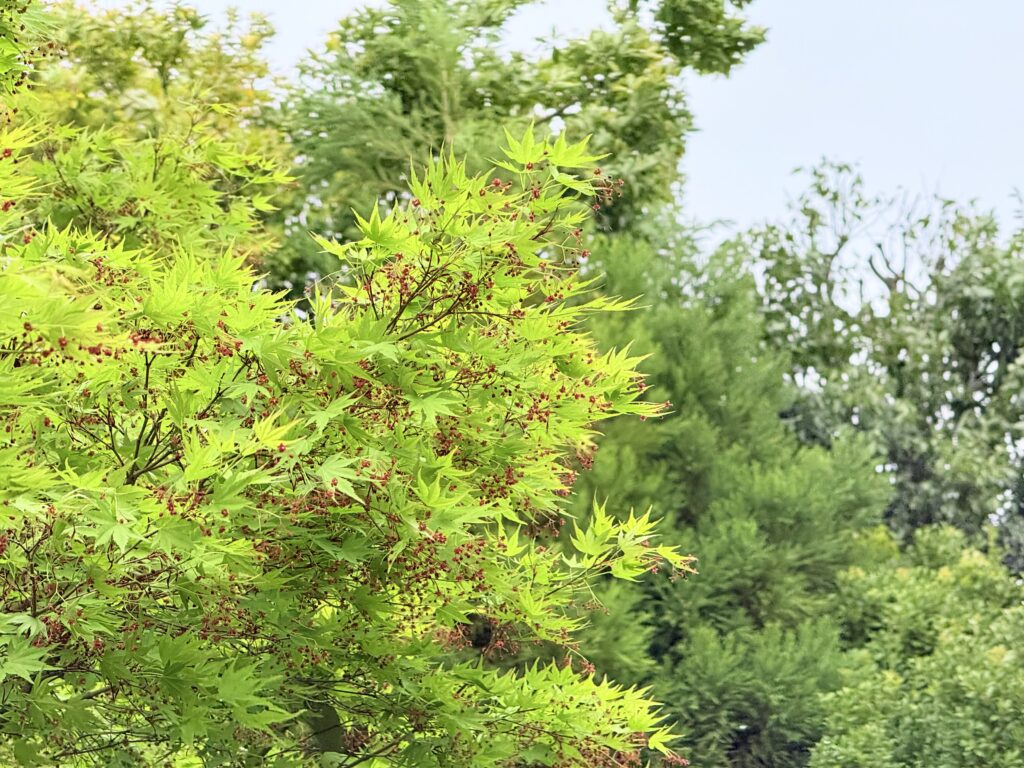
In spring, rhododendrons, azaleas, and kanhizakura (early-blooming cherry blossoms) appear; in summer, himeshara trees and mountain hydrangeas; and in autumn and winter, maple trees, camellias, and white plum blossoms add color to the landscape.
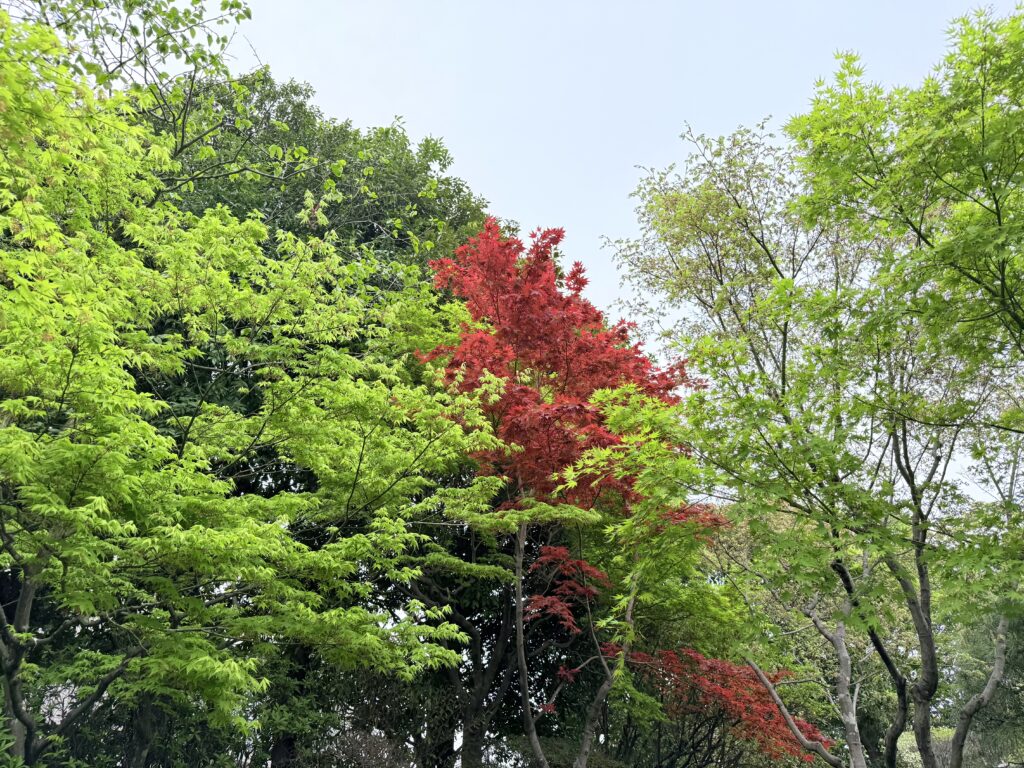
The Appeal of Japanese Gardens
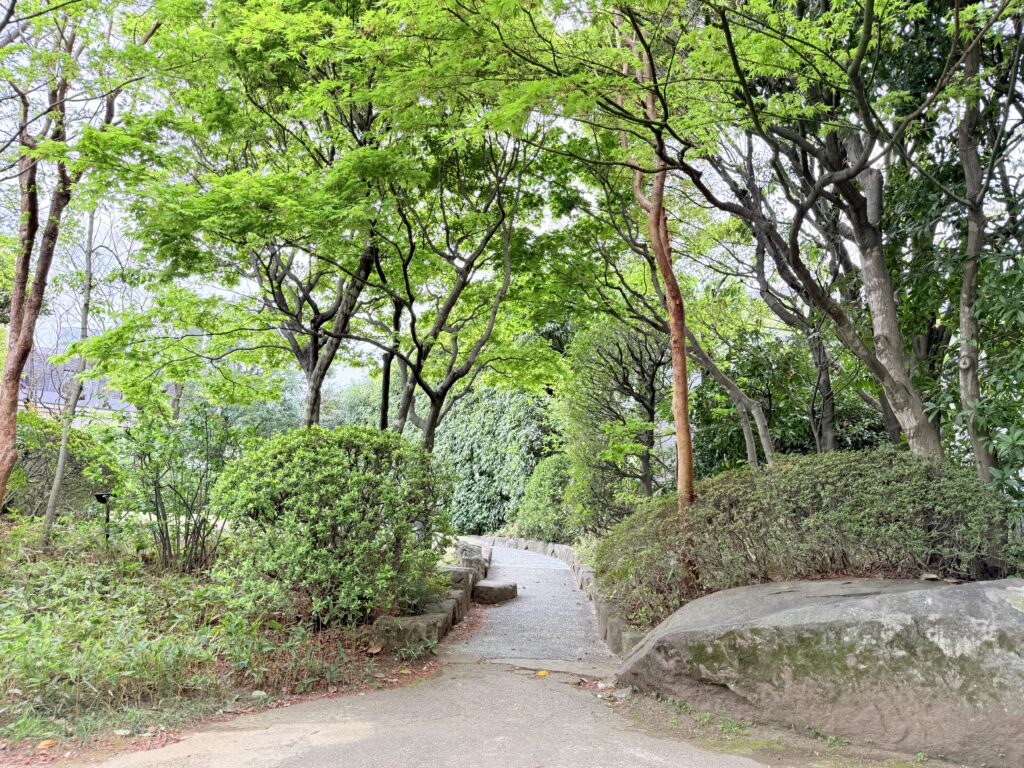
The appeal of Japanese gardens lies in their ability to condense the depth of nature and the passage of time into a limited space.
By skillfully incorporating natural elements, they express a distinct Japanese sensibility and philosophy. Well-designed gardens not only highlight the beauty of nature but also evoke a sense of respect for it, offering visitors a place to calm and restore the mind.
Nearby Information
Within walking distance, visitors can also explore cultural sites such as the Zoshigaya Missionary House Museum and the Naruse Memorial Museum.
After a stroll through the garden, the lively Ikebukuro area offers a wide range of shopping and dining options. In particular, the area around Ikebukuro’s north exit is known for its authentic Chinese restaurants, making it a recommended stop after your visit.
Access