About the Museum
- Museum type
- Historic site
- Hours
- 9:00–16:30
- Closed
- Monday and during the year-end and New Year holidays.
If Monday falls on a national holiday, the museum is open that day and closed the following day. - Admission
- Free
- Suggested visit time
- Quick: ~10 min / Unhurried: ~20 min
- Website&SNS
- Official website (JP)
- Address
- 1-25-5, Zoshigaya, Toshima-ku, Tokyo (Map)
- Phone
- +81 3-3985-4081
- Nearest station
- Higashi-ikebukuro Station; Zoshigaya Station; Gokokuji-sanchome Station
What Is the Zoushigaya Missionary House Museum?
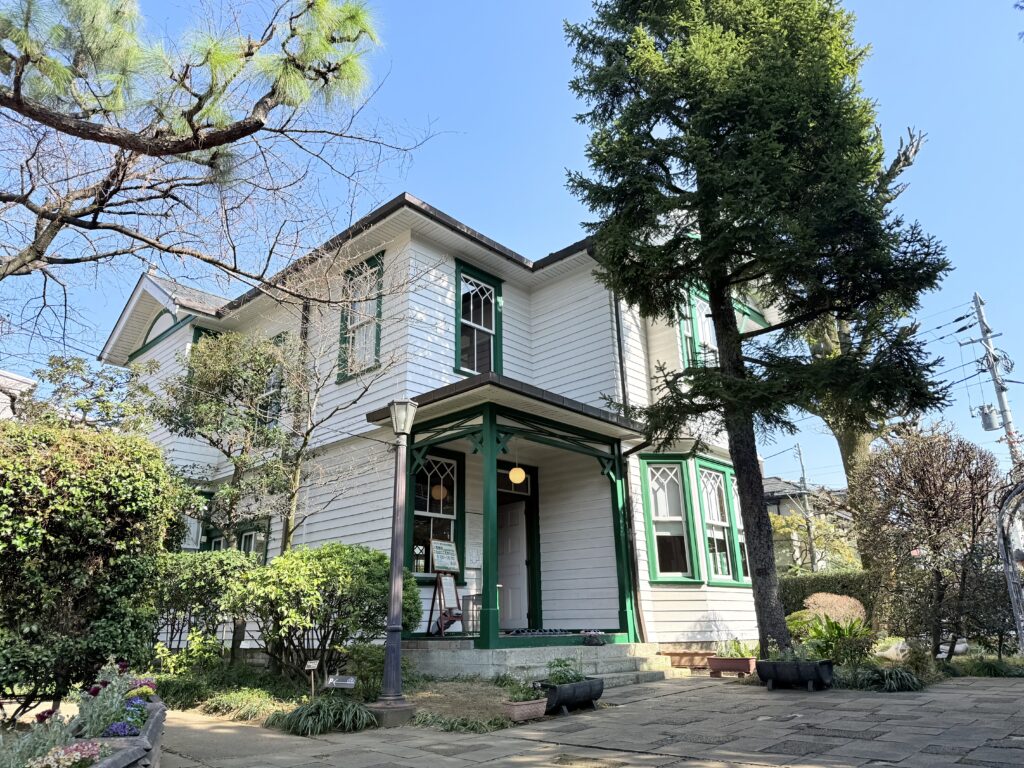
The Zoshigaya Missionary House Museum is a historic building located in a residential neighborhood in the Ikebukuro area.
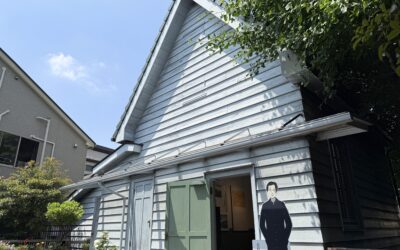
The house was built in 1907 during the Meiji period by the American missionary John Moody McCaleb as his private residence. It is considered one of the few remaining missionary houses from the Meiji era in Tokyo and is recognized as a valuable example of historical architecture.
McCaleb first came to Japan in 1892 and used this residence until 1941, when relations between Japan and the United States deteriorated. After passing through several owners, the property is now managed by Toshima City and has been designated as a Tangible Cultural Property by the Tokyo Metropolitan Government.
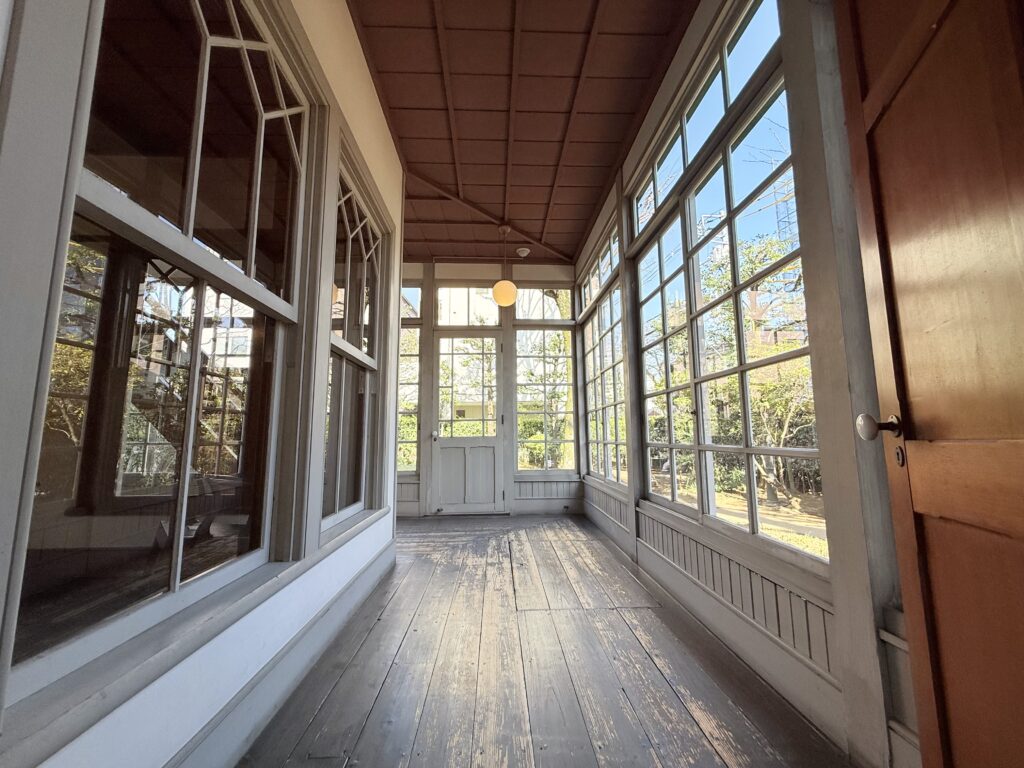
Inside, the building has been carefully restored and preserved, allowing visitors to gain insight into architectural styles and everyday life during the Meiji period. The surrounding grounds are planted with seasonal vegetation, offering a quiet and relaxing environment throughout the year.
Although modest in scale, the house is an important cultural asset that conveys the character of foreign residential architecture in Meiji-era Japan.
Who is John Moody McCaleb?
John Moody McCaleb was born in 1861 in Hickman County, Tennessee, into a devout Christian family.
In 1888, at the age of 27, he enrolled at the College of the Bible in Lexington, Kentucky. Encouraged by a senior missionary, he decided to undertake missionary work in Japan.
In 1892, he arrived in Japan with his wife, Della, and began his mission in areas such as Tsukiji and Kanda in Tokyo. He later based his activities in Zoshigaya, where he continued his work until 1941, when relations between Japan and the United States deteriorated.
His activities extended beyond religious evangelism to include youth education and charitable work, through which he influenced many people.
After returning to the United States in 1941, he never visited Japan again and passed away in 1953.
The Zoshigaya Missionary House remains a valuable historical building that conveys the era during which McCaleb carried out his work in Japan.
What are the architectural features?
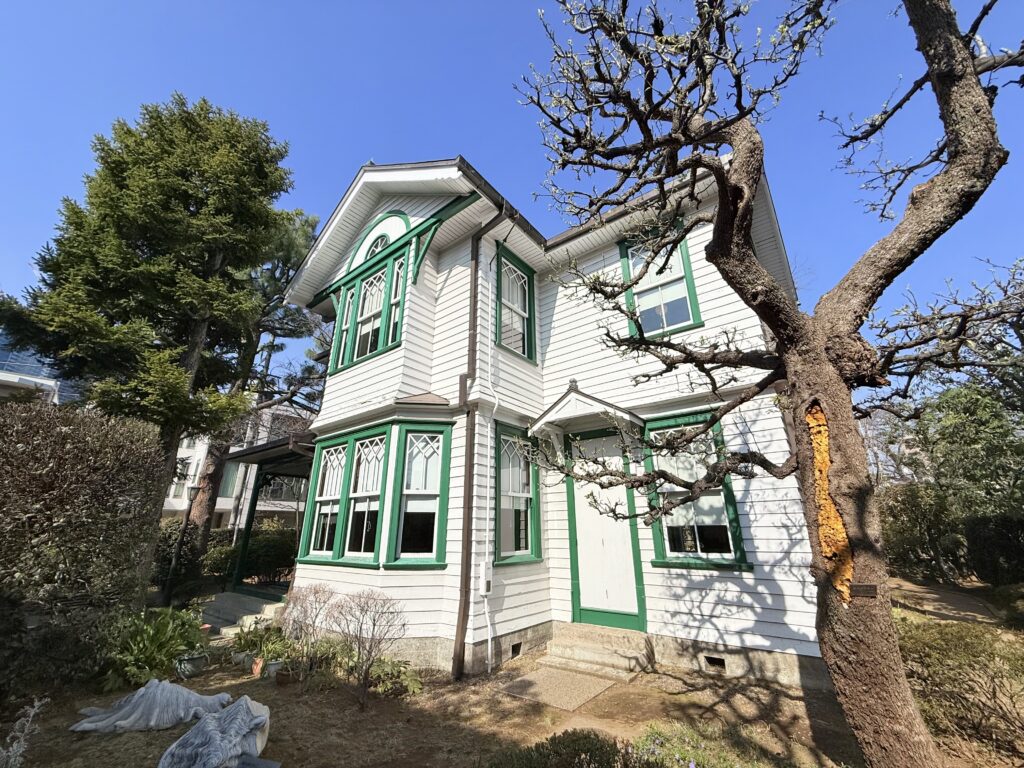
This building is a two-story wooden foreign residence that reflects the characteristics of late 19th-century suburban houses in the United States. Overall, it is distinguished by a simple and practical design.
Although the architect is unknown, the construction is believed to have been carried out by Japanese carpenters.
The building features elements of the Carpenter Gothic style, which was popular in the United States at the time. In this style, craftsmen used scroll saws to create pointed arches and decorative Gothic motifs in wood.
At the same time, split bamboo is used in the second-floor ceiling, resulting in a distinctive structure that combines American architectural design with traditional Japanese materials.
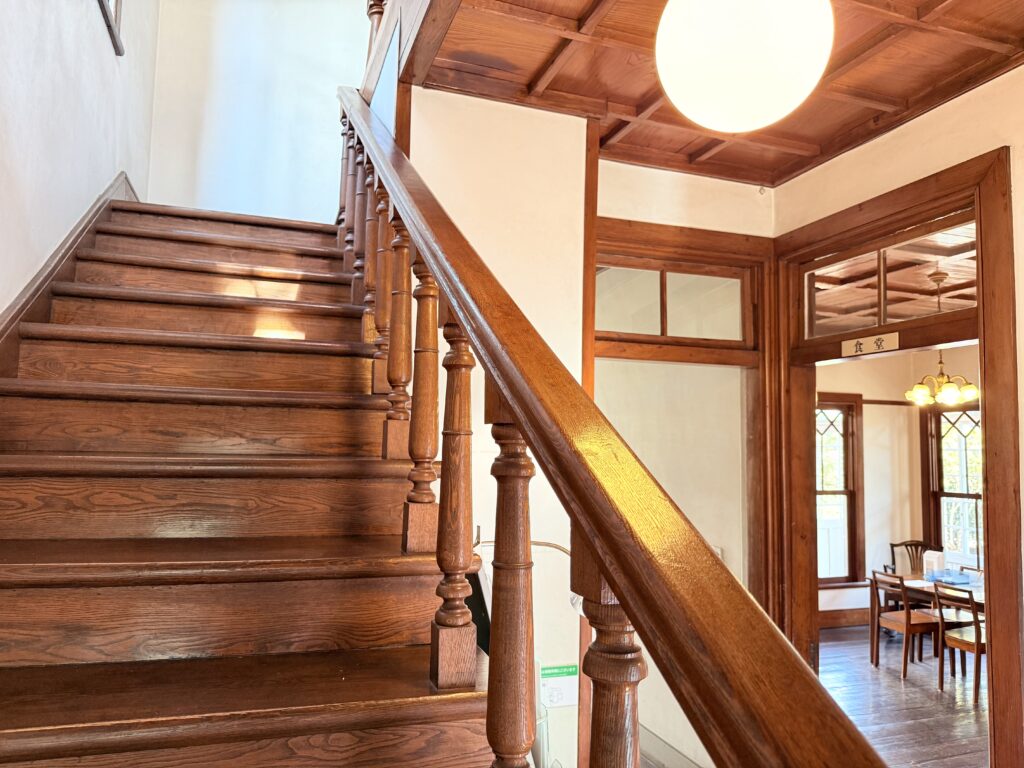
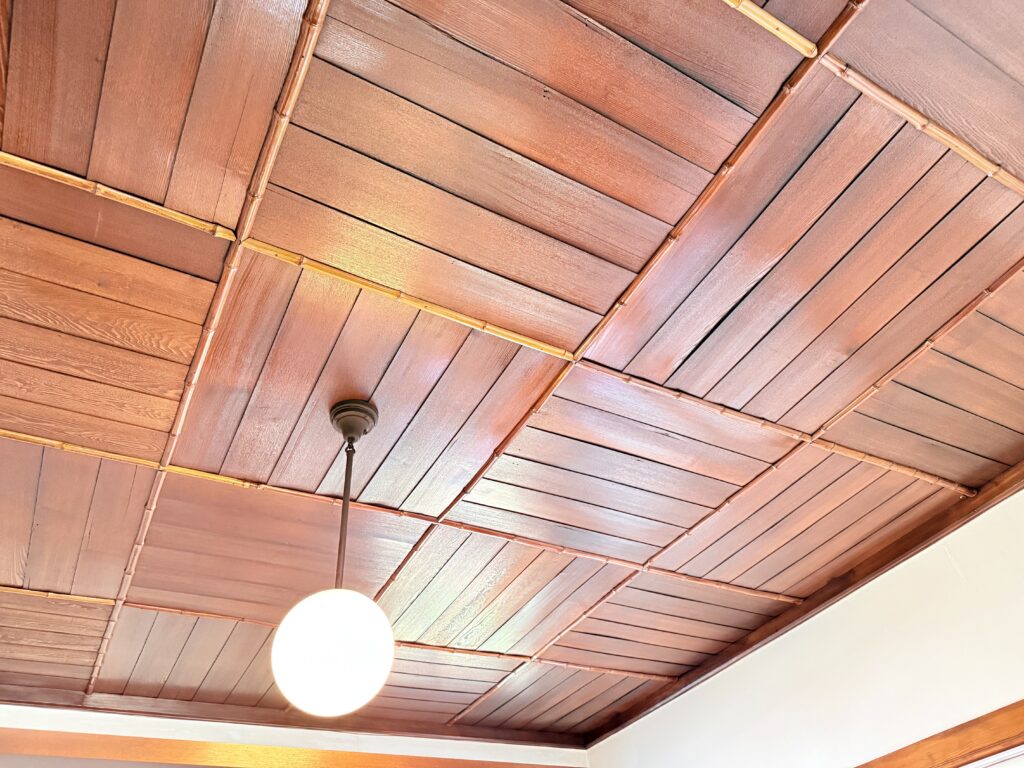
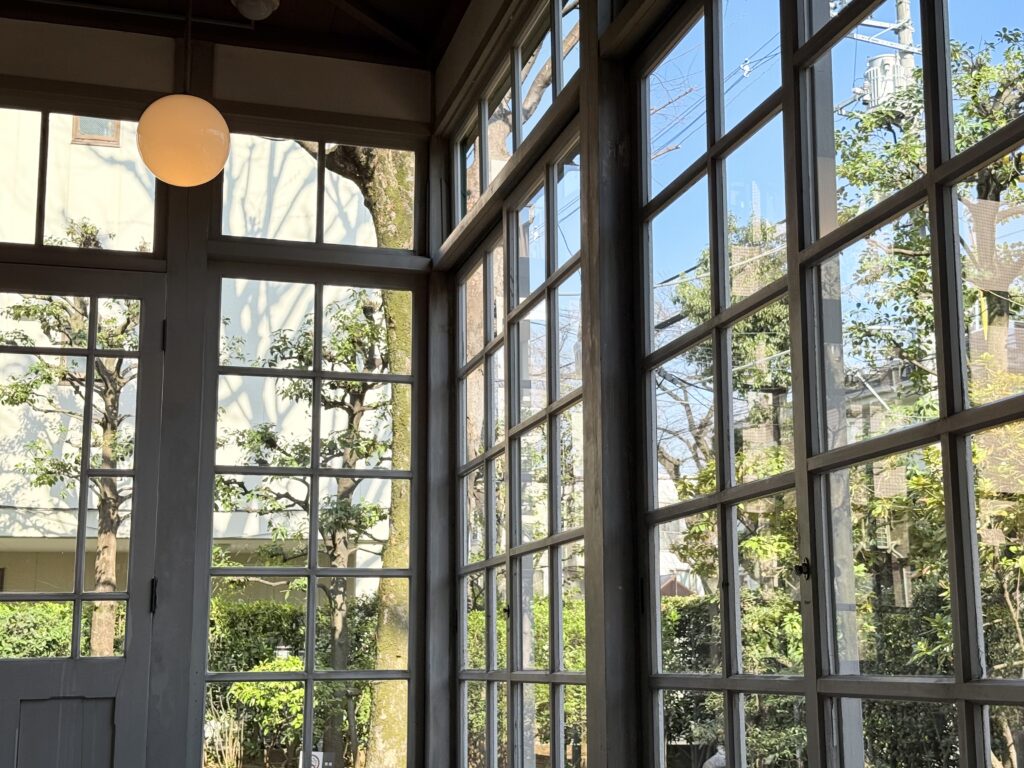
When the building was first acquired by Toshima City, it was painted entirely white. However, based on historical photographs and surveys that revealed traces of green paint on the window frames, it was restored to its current appearance, characterized by a white and green color scheme.
Visitor Information
The building consists of the first and second floors, as well as a surrounding garden.
On the first floor, spaces such as the dining room, living room, and a church office are arranged. Inside, visitors can see features such as a decorative fireplace made with Art Nouveau–style tiles and zelkova wood, as well as an organ used by the missionaries.
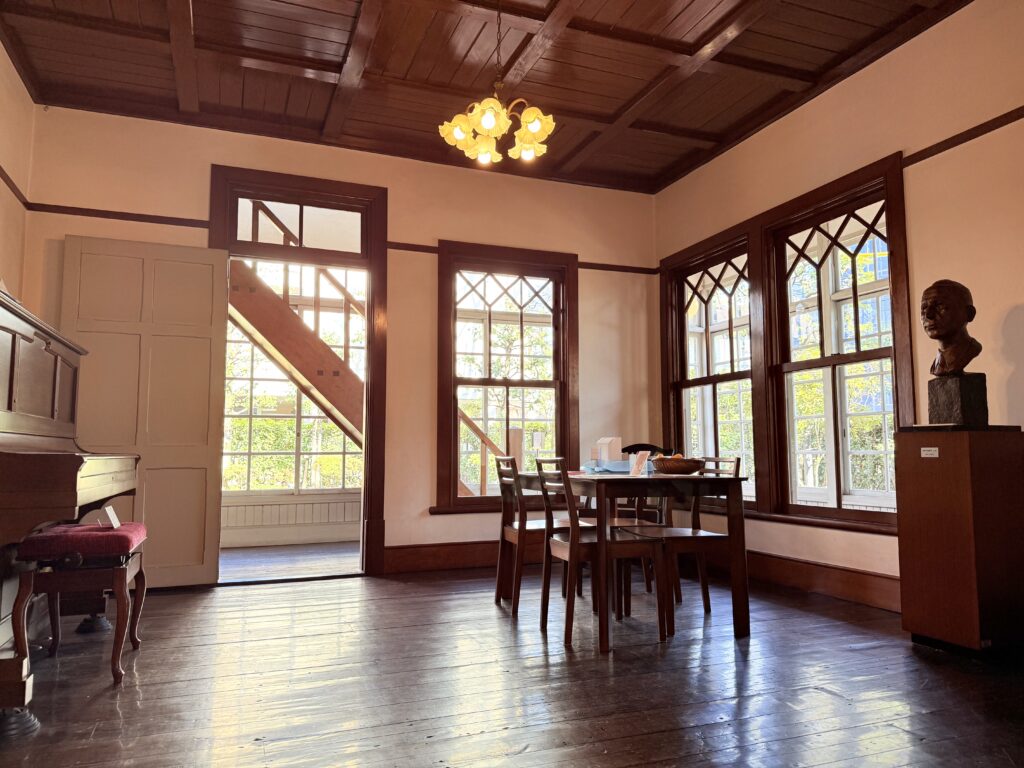
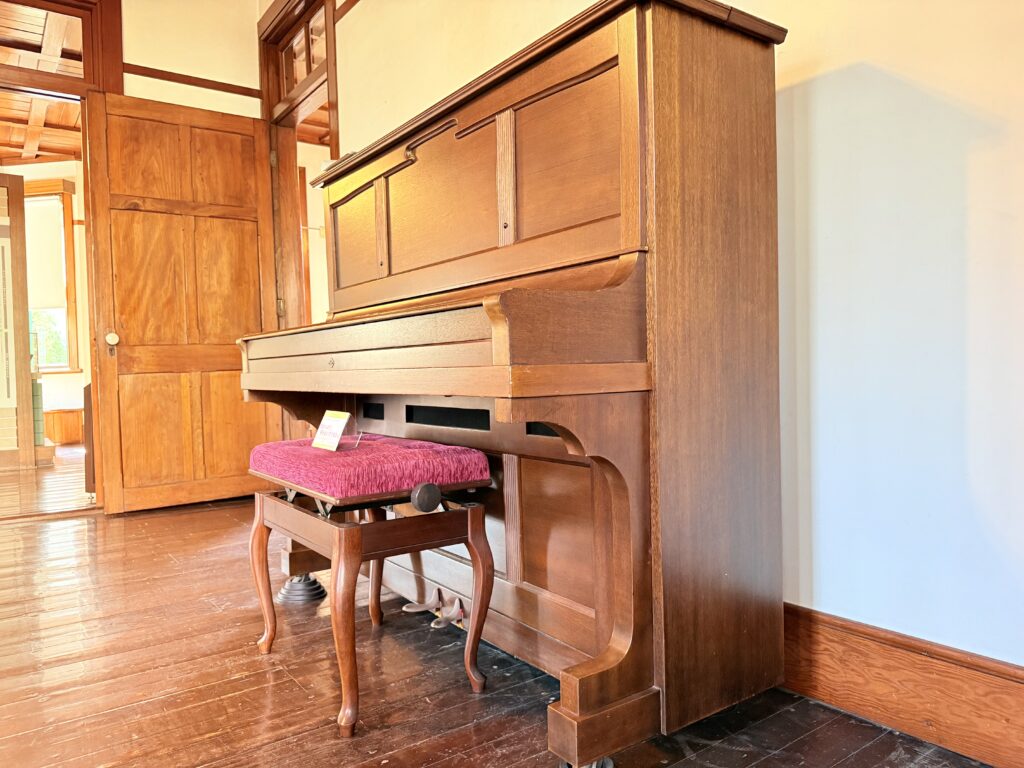
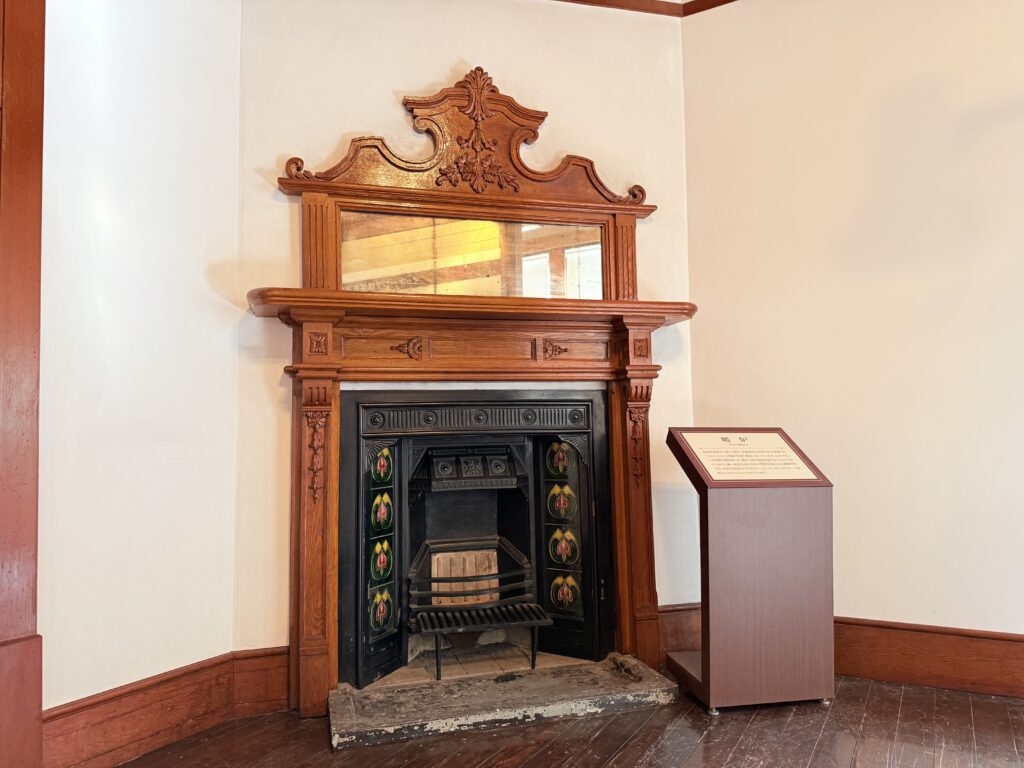
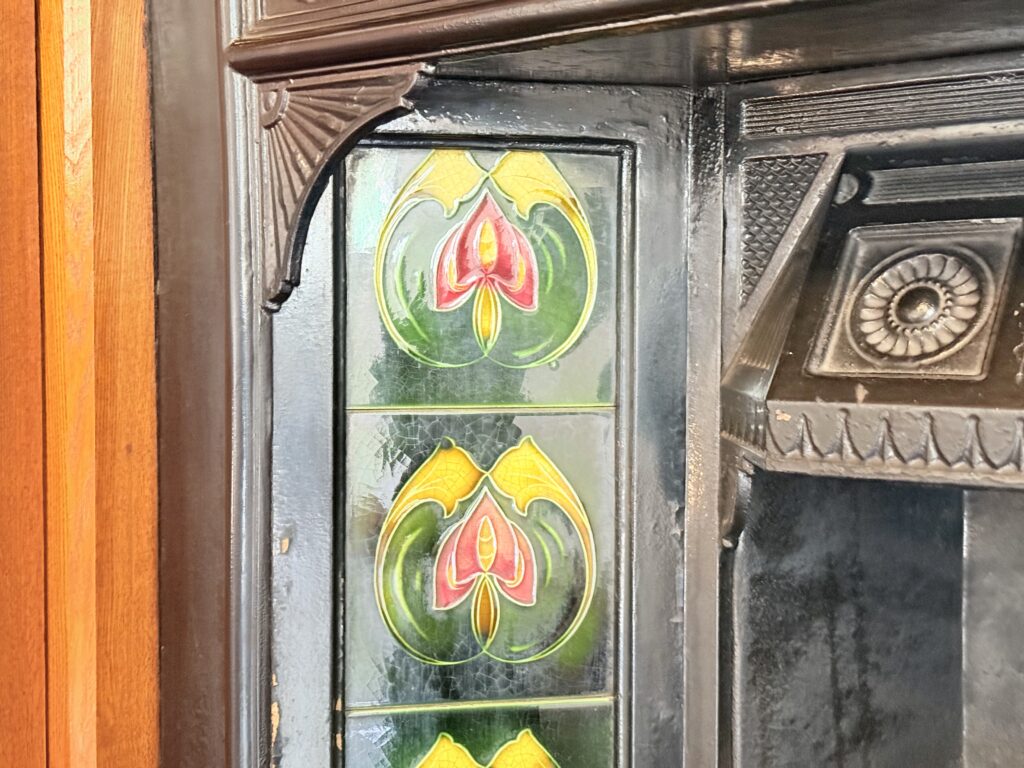
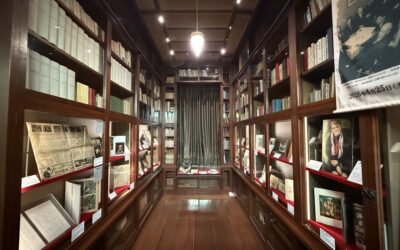
On the second floor, a model recreating the original site and its related facilities is on display, along with explanatory panels about the building and the activities of the missionaries.
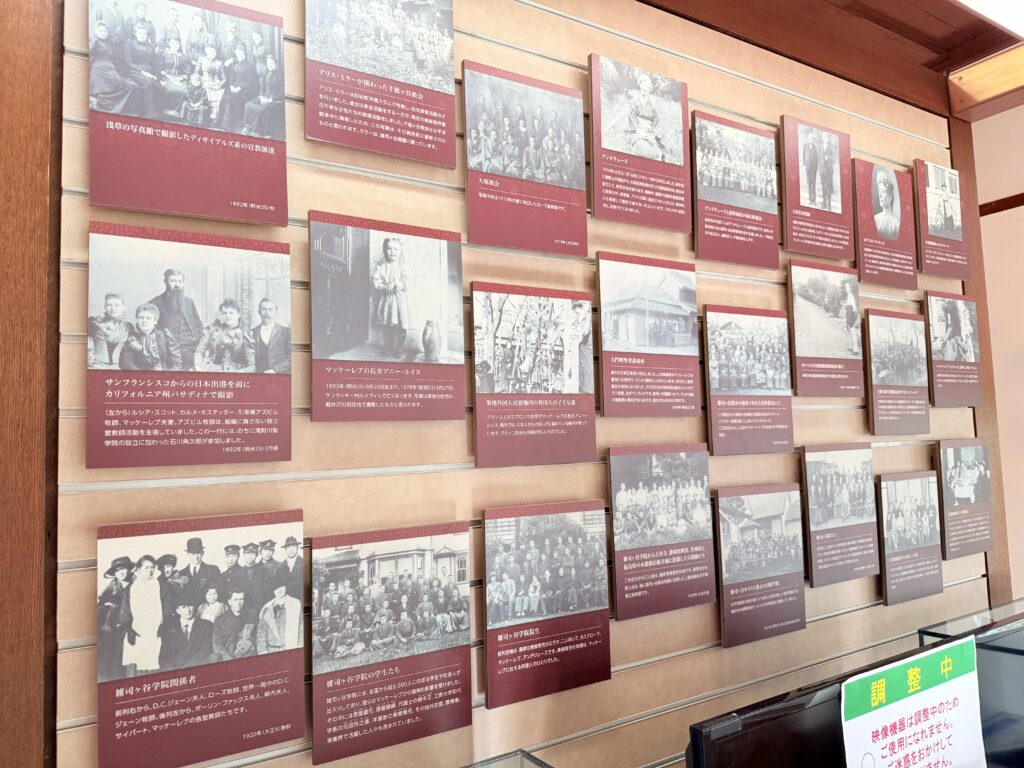
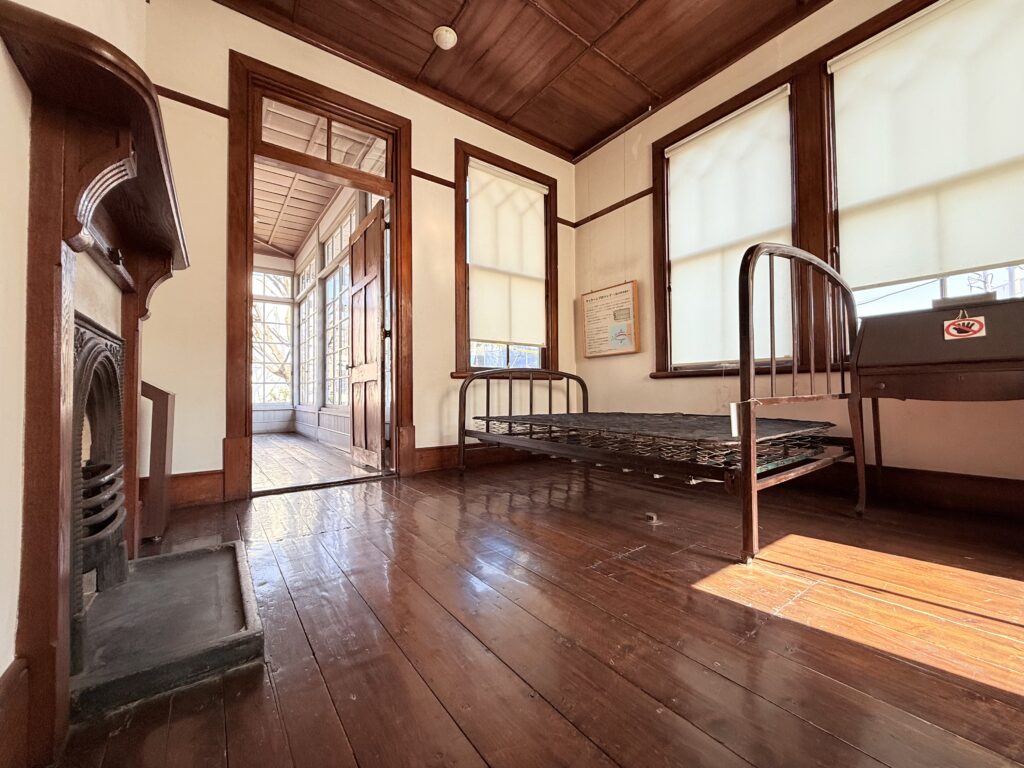
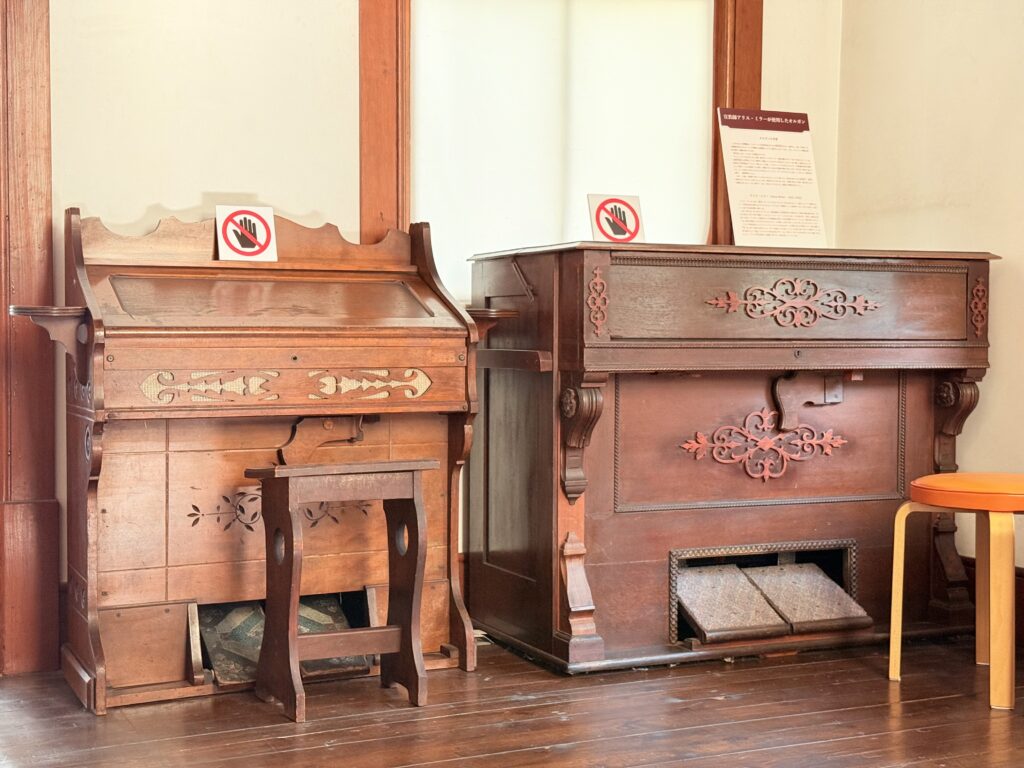
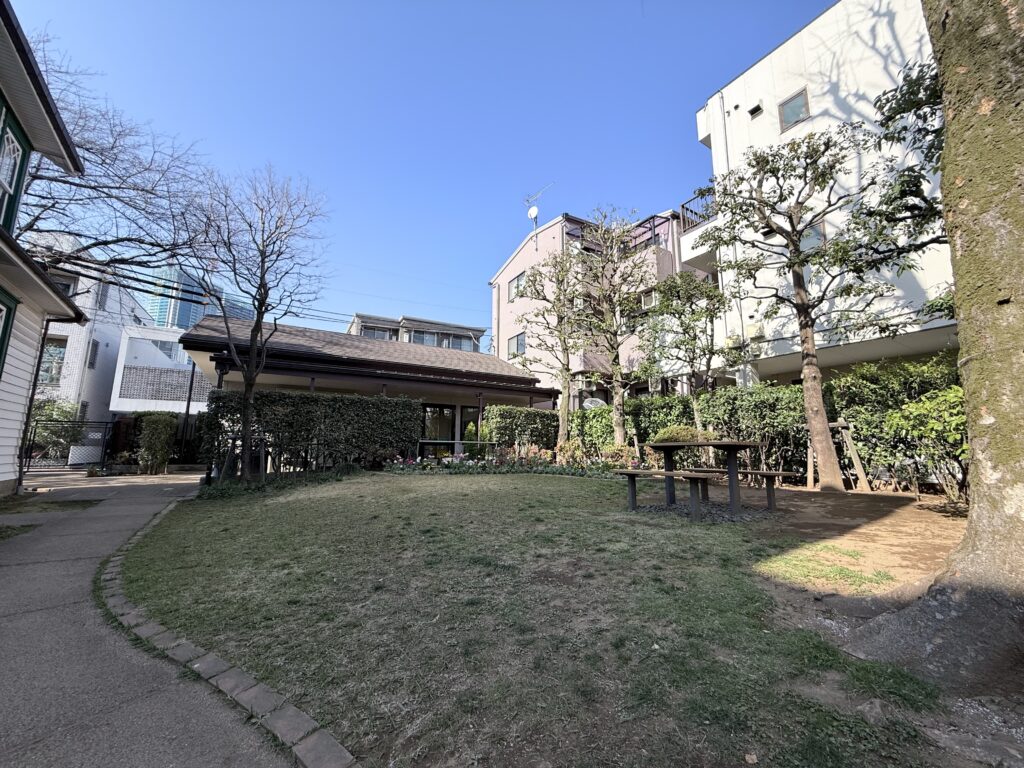
The garden is planted with seasonal vegetation, and benches and a small landscaped area are provided. It offers a quiet setting where visitors can relax.
Around the Museum
The Zoshigaya Missionary House Museum is located about a 15-minute walk from the Ikebukuro area, a lively district popular with students and office workers.
After visiting, you can also enjoy shopping and dining around Ikebukuro Station.
Access
Comments are closed.