About the Museum
- Museum type
- Specialized Museum
- Hours
- 12:00–18:00
- Open
- Tuesday to Saturday (Temporary closures may occur. Please check the official website for details)
- Admission
- Free
- Suggested visit time
- Quick: ~10 min / Unhurried: ~25 min
- Website&SNS
- Official website & X
- Address
- Caretta Shiodome B2F, Higashi-Shimbashi 1-8-2, Minato-ku, Tokyo(Map)
- Phone
- +81 3-6218-2500
- Nearest station
- Shimbashi Station; Shiodome Station
What is the Ad Museum Tokyo?
Ad Museum Tokyo is the only museum in Japan dedicated exclusively to advertising. It houses approximately 330,000 items related to advertising and marketing, spanning from the Edo period to the present day, and communicates the social and cultural value of advertising.
The museum is located within Caretta Shiodome, a commercial complex in the Shiodome area, close to Ginza and Yurakucho. Its entrance is on Basement Level 2. Despite its central urban location, the museum offers a calm environment in which visitors can view the exhibitions at a relaxed pace.
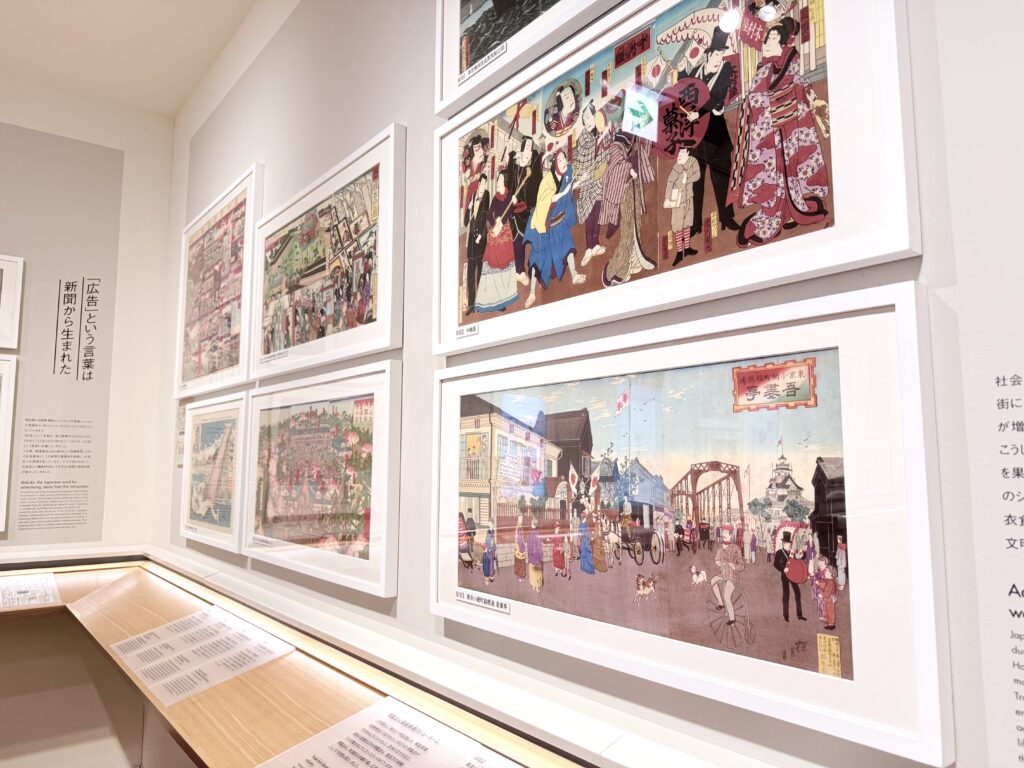
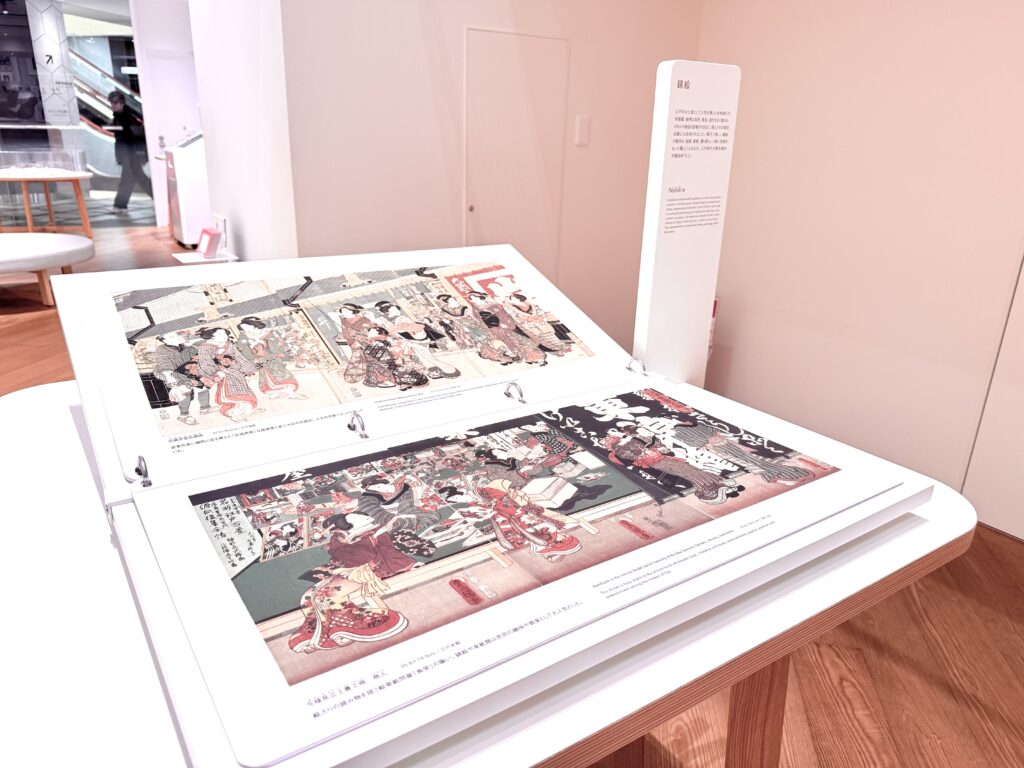
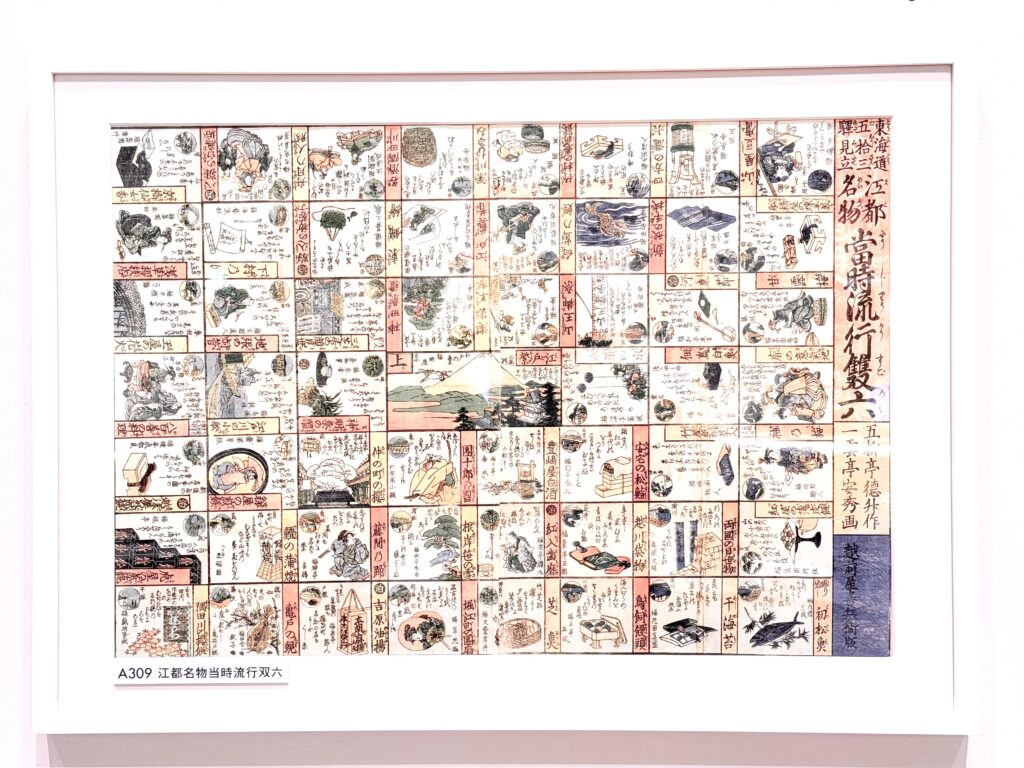
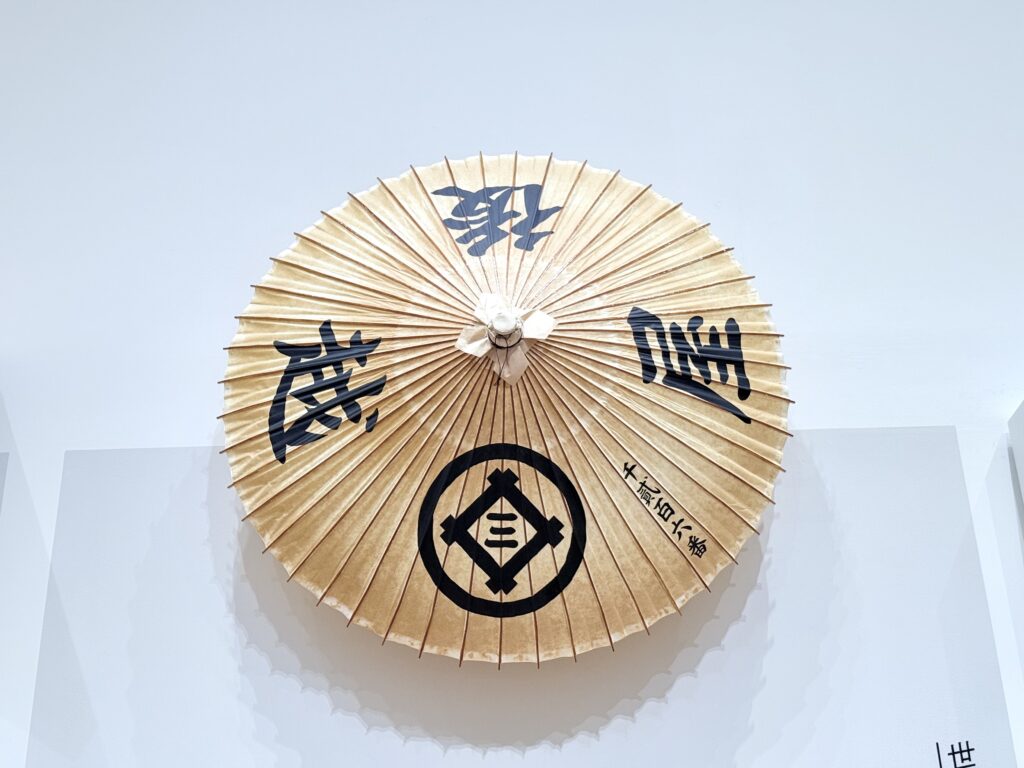
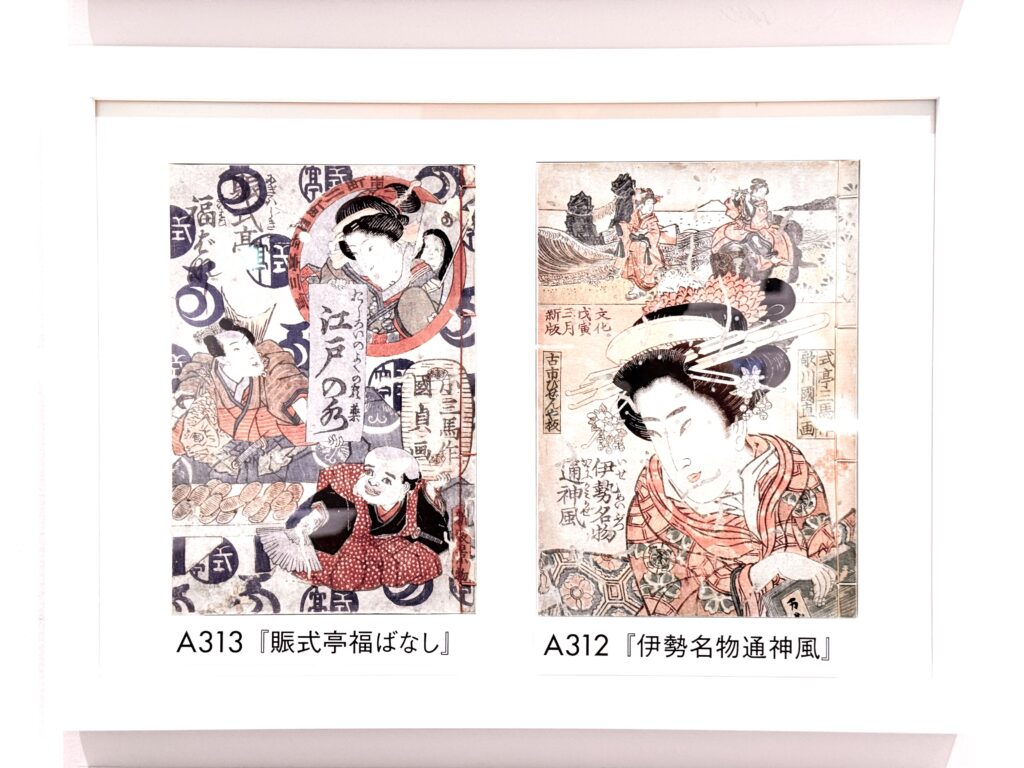
Inside, visitors can trace the systematic development of advertising and marketing in Japan through a wide range of rare and historically significant materials. These include iconic posters and video commercials that symbolize different eras, as well as hikifuda (Edo-period advertising handbills). From masterpieces of the high economic growth era to contemporary digital promotions, the museum vividly illustrates changes in expressive techniques and advertising’s evolving relationship with society.
Even those without a particular interest in advertising will likely find themselves drawn in by the aesthetic sensibilities and energy of each era, as reflected in posters, flyers, graphic design, and television commercials spanning several centuries.
The museum also features interactive digital exhibits and an extensive video archive, allowing visitors to learn while enjoying the creativity and playfulness inherent in advertising. Wi-Fi is available throughout the museum, and by connecting via smartphone, visitors can access a free audio guide. The guide is available in English, making the exhibitions accessible to international guests as well.
In its bright and open space, the museum offers a multifaceted experience of advertising—a cultural form that is both familiar and surprisingly profound.
Visitor Information
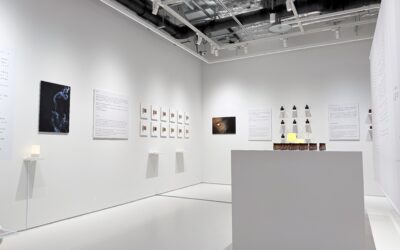
The museum is divided into two main zones: the Permanent Exhibition Area on Basement Level 2 and the Library on Basement Level 1.
The Permanent Exhibition Area presents a systematic, chronological overview of advertising in Japan. The displays are organized by era, beginning with advertising from the Edo period, followed by the Meiji period, the Taisho and early Showa periods, the wartime and immediate postwar years, the postwar reconstruction and Heisei period, and continuing into the 21st century.
In addition, the “World Creative” section introduces advertising materials from Europe, Asia, and the Americas, allowing visitors to survey the evolution of advertising in Japan since the 17th century from an international perspective.
The Library offers access to specialized publications on marketing and advertising. A substantial collection of English-language materials is available, and reading desks are provided, enabling visitors to study the materials carefully in a quiet and focused environment.
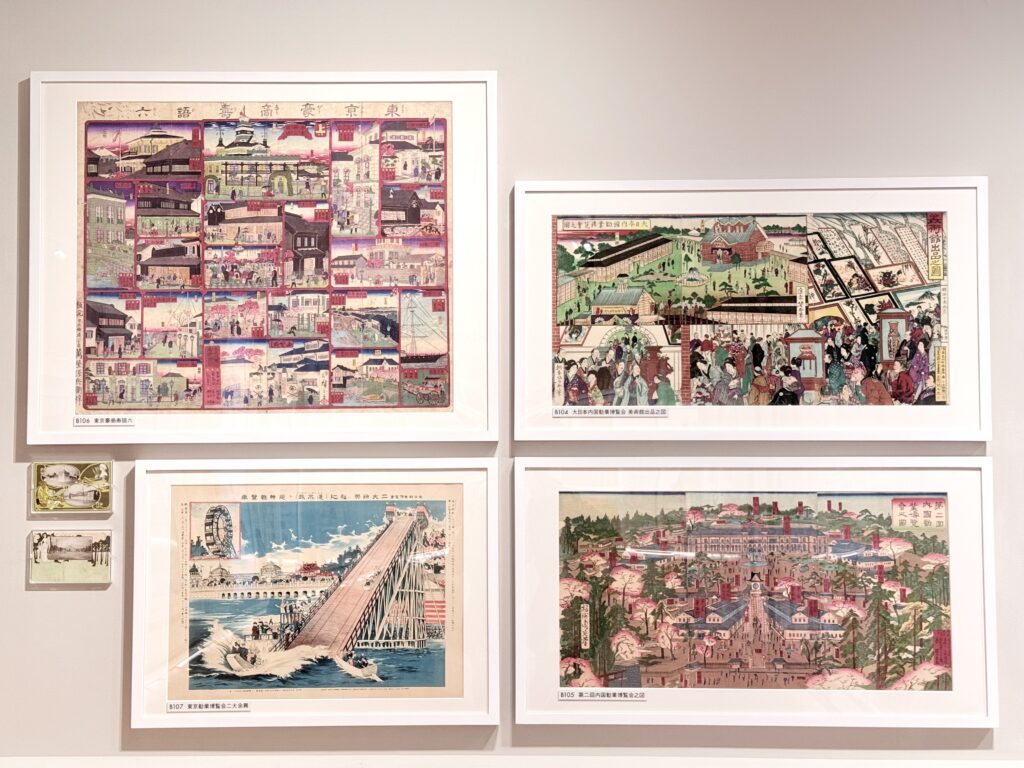
Advertising in the Edo Period (1603–1867)
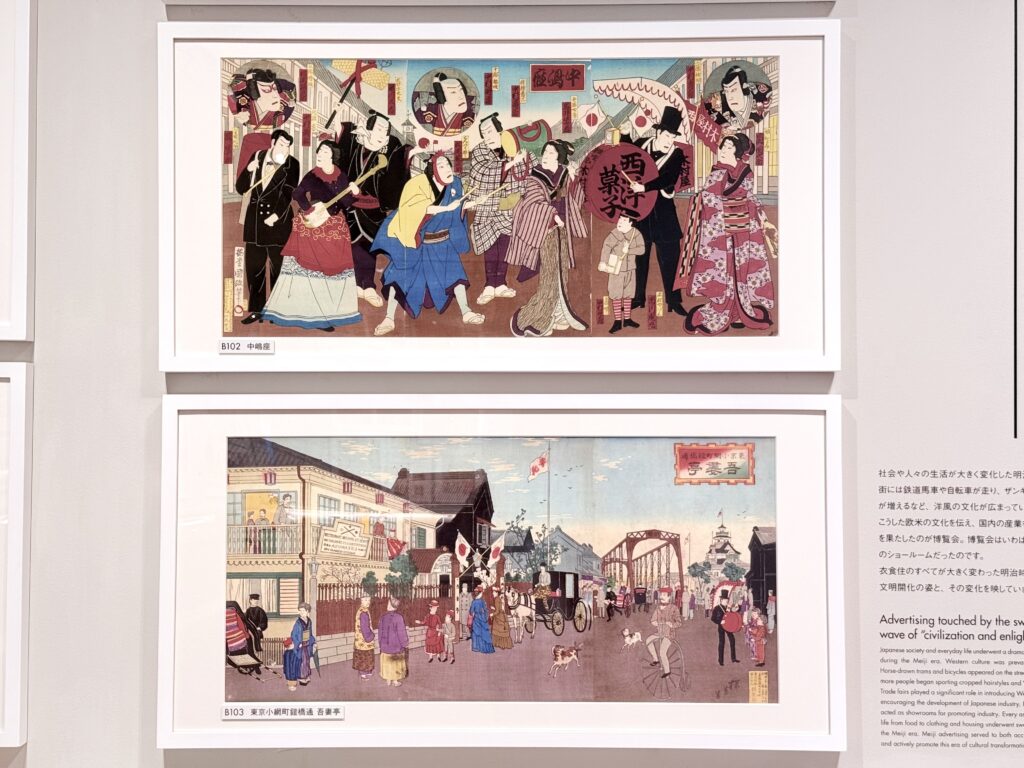
Advertising in the Meiji Period (1868–1912)
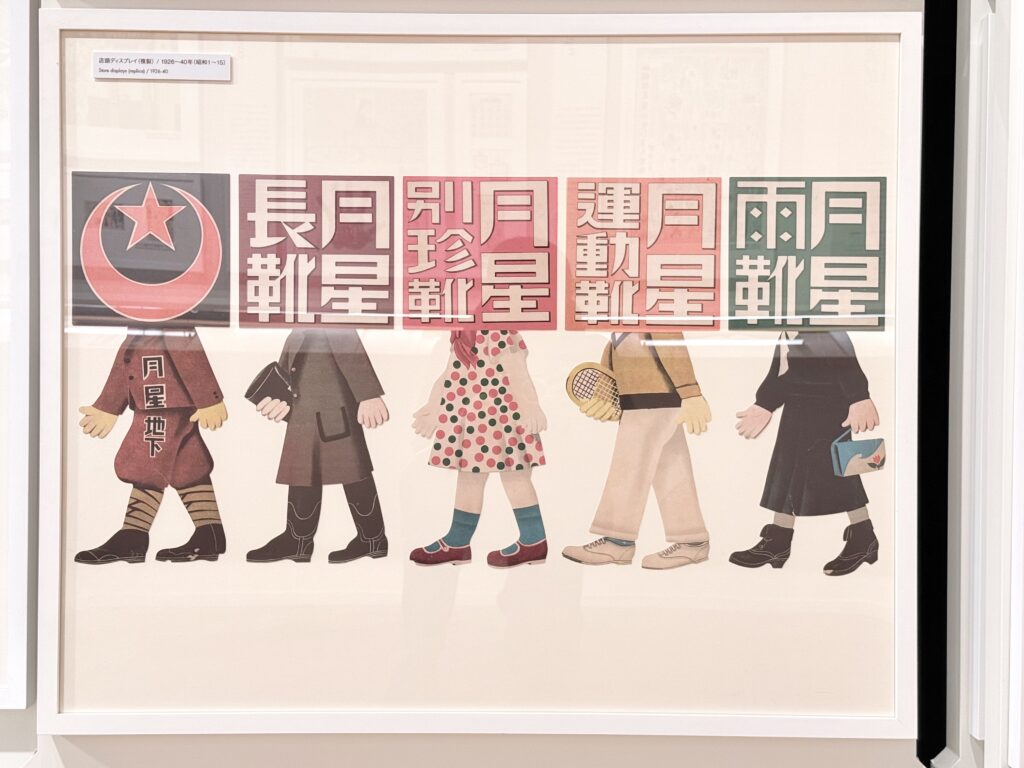
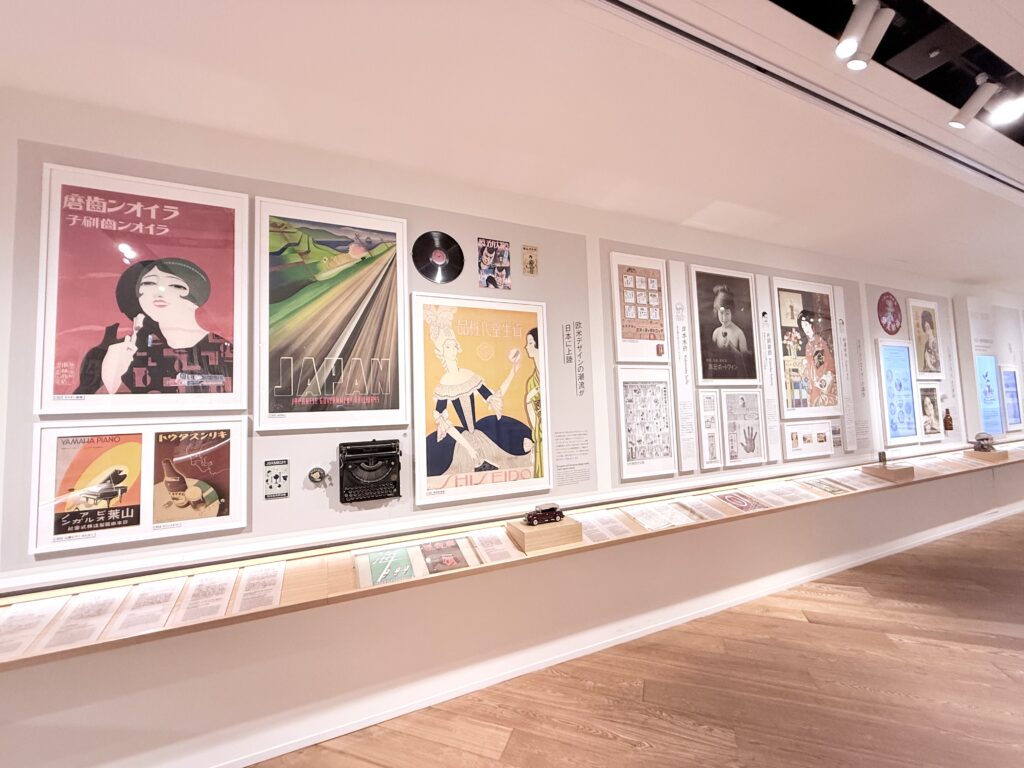
Advertising in the Taisho and Early Showa Periods (1912–1939)
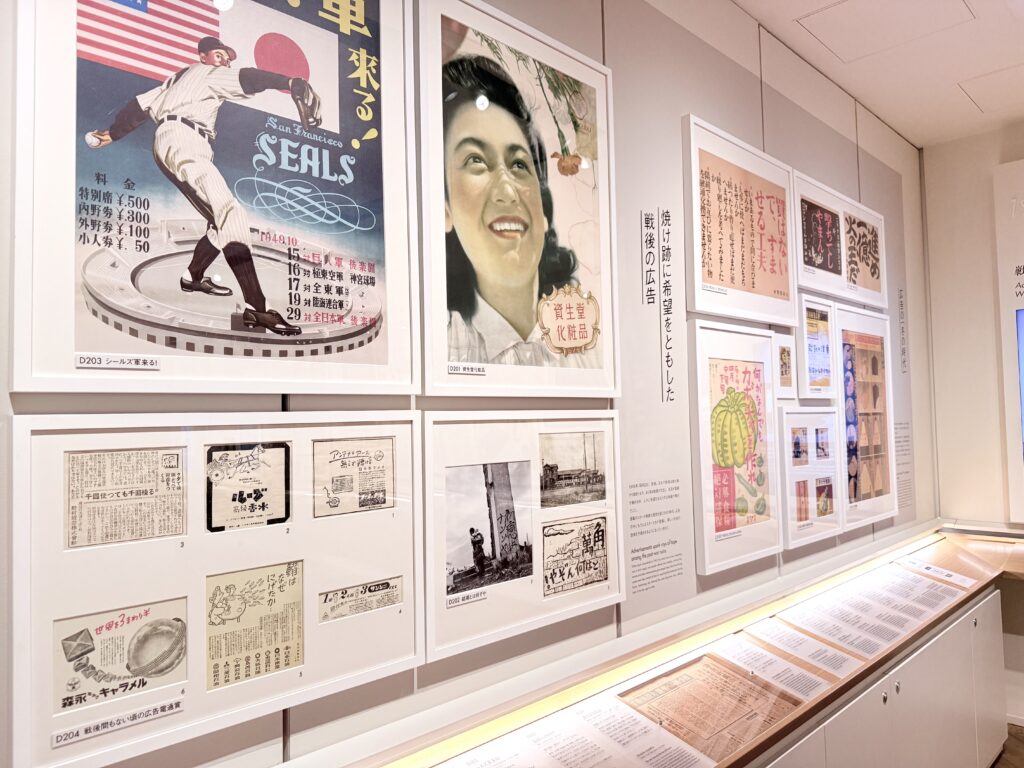
Advertising During Wartime and the Immediate Postwar Years (1940–1950)
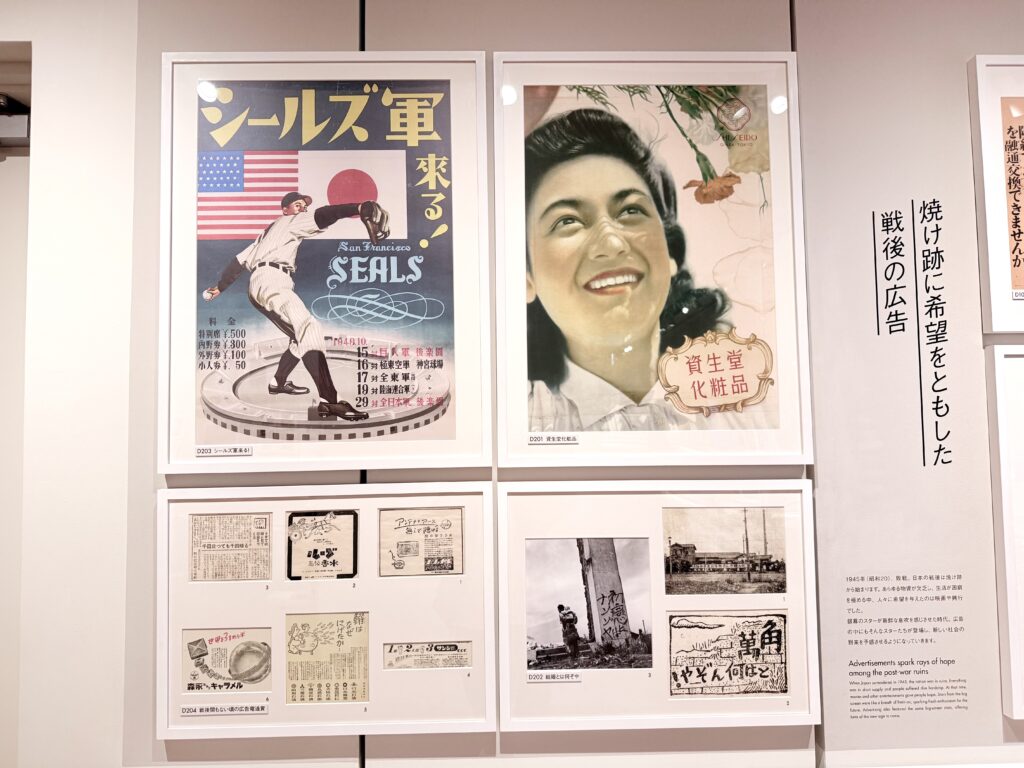
Advertising in the Postwar Reconstruction and Heisei Period (1951–2000)
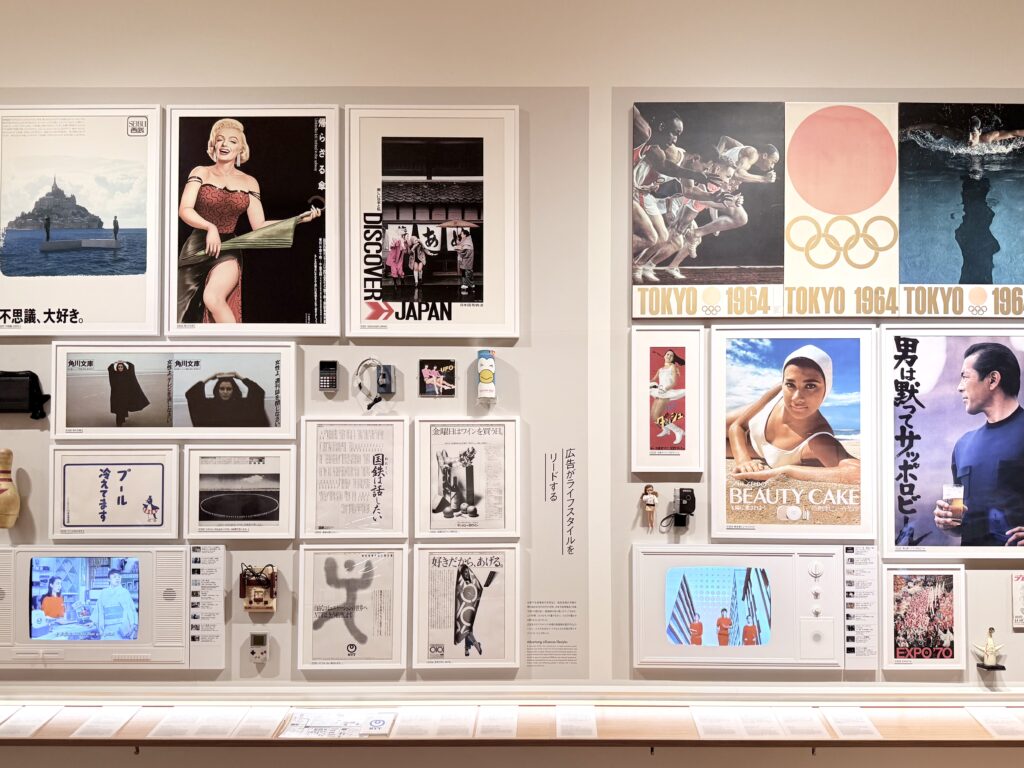
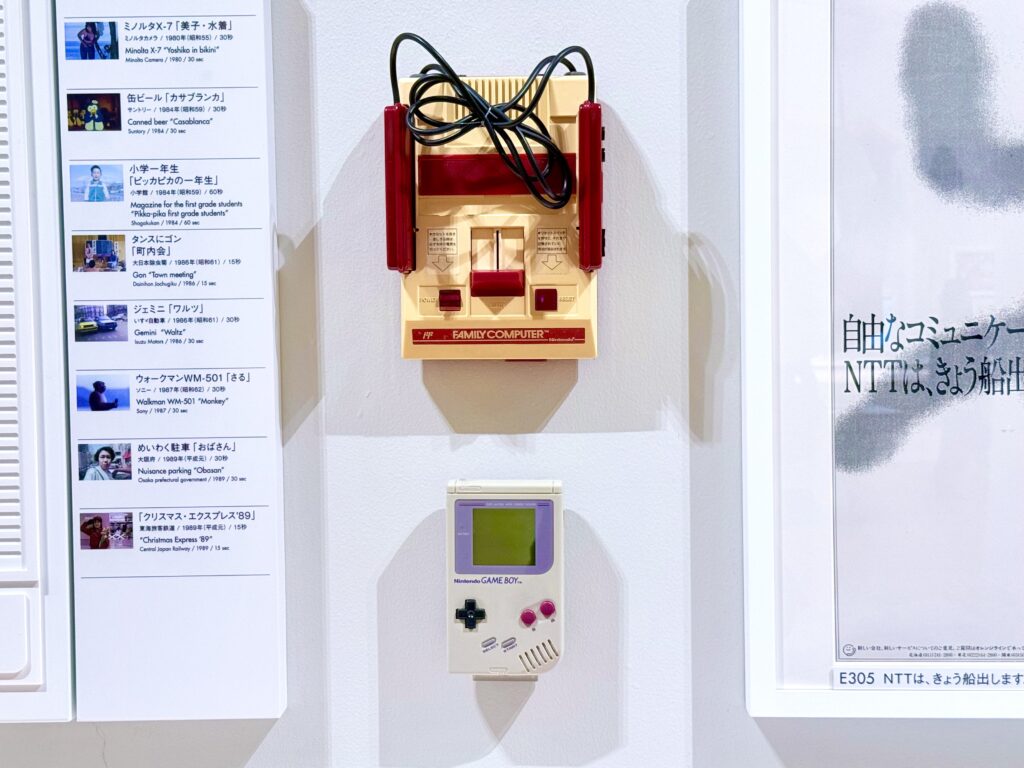
Advertising in the 21st Century (2001–Present)
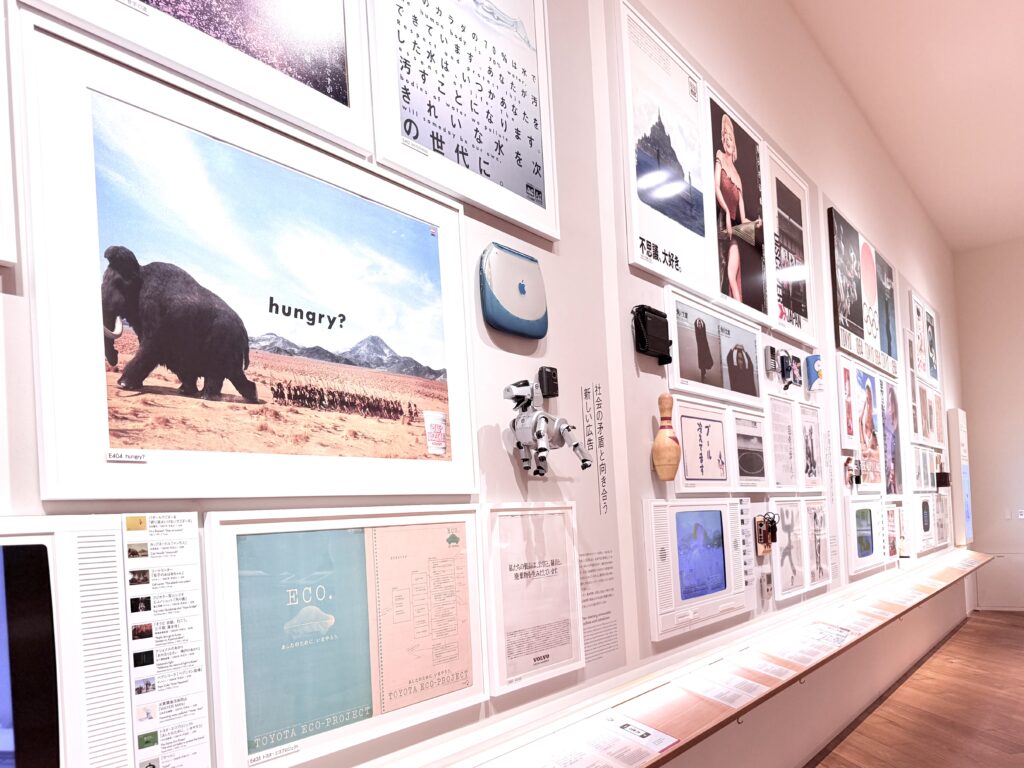
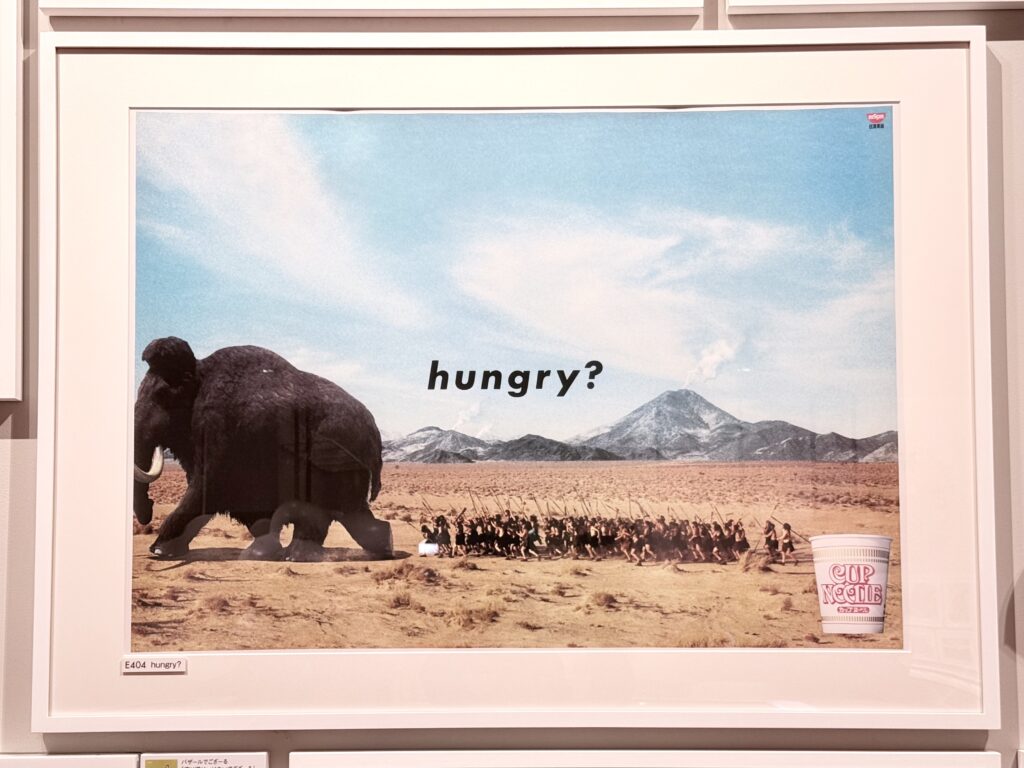
World Creative (International Advertising)
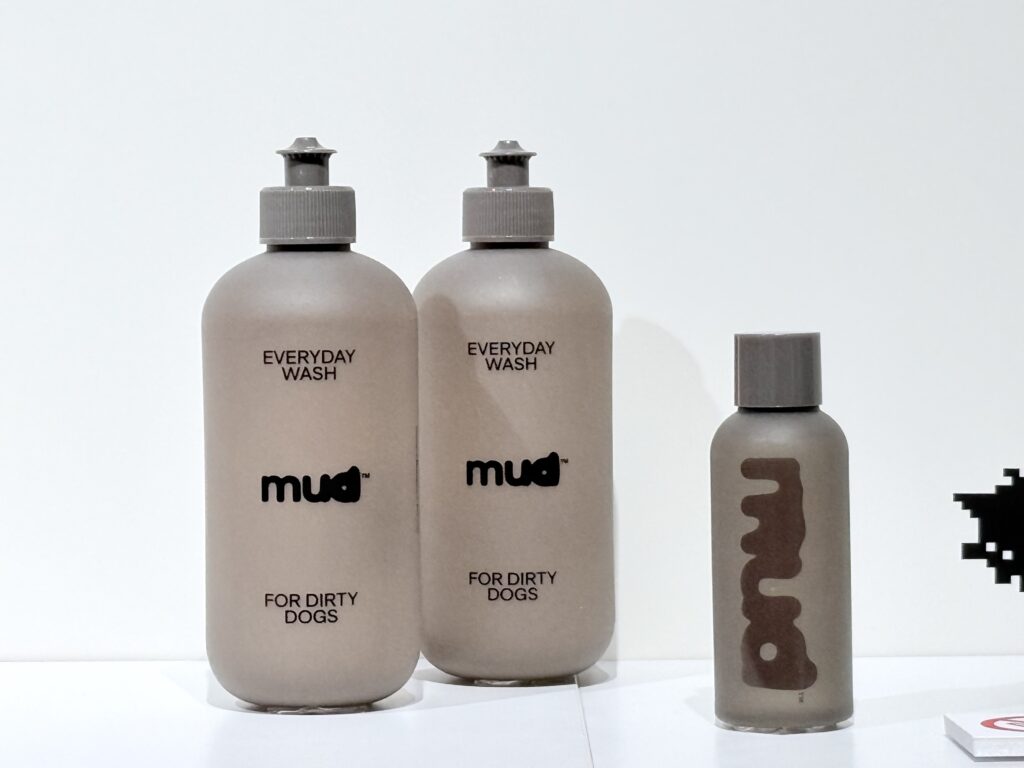
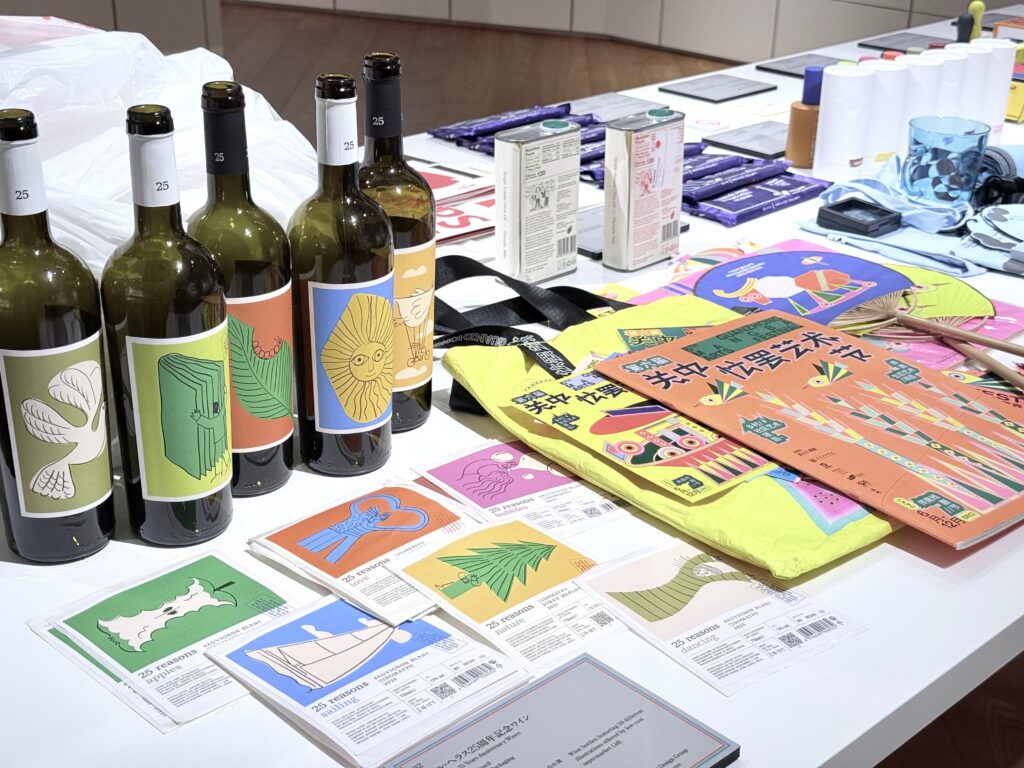
Museum Highlights
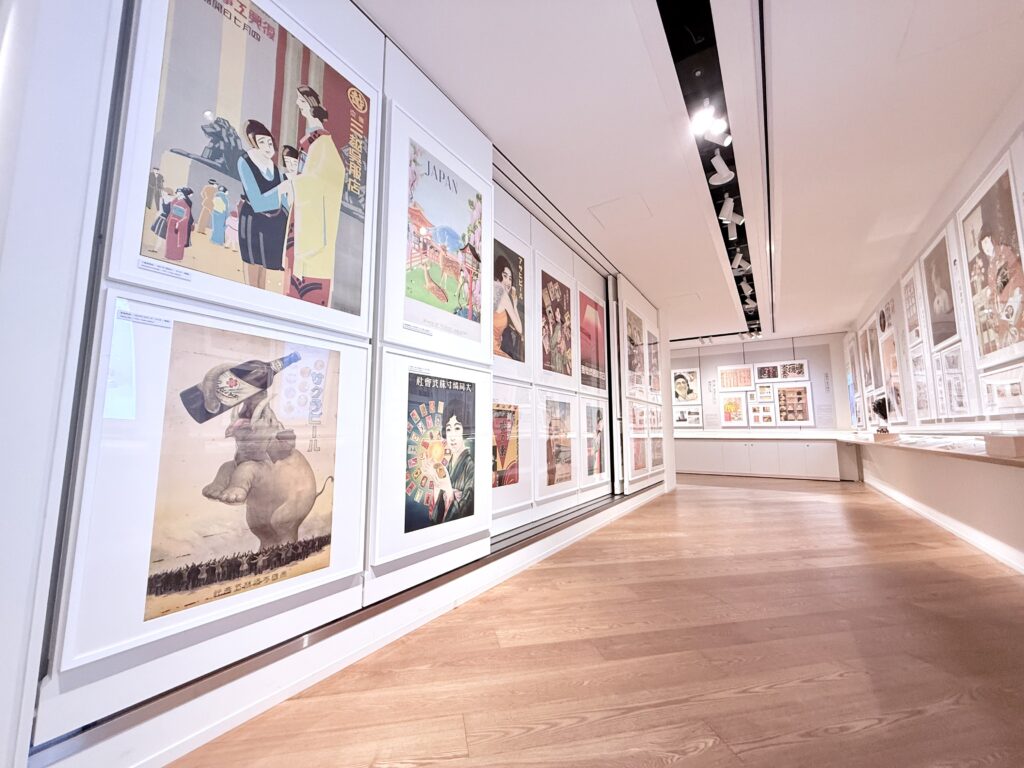
Within the exhibition space, a three-row sliding wall system displays posters dating from the 1890s to the 1940s. The selection ranges from retro designs with charming, playful motifs to more substantial works that vividly reflect the social atmosphere of their time.
Standing before each poster, visitors can reflect on the society and values of the era it represents—an experience that forms one of the true pleasures of this display.
Museum Shop
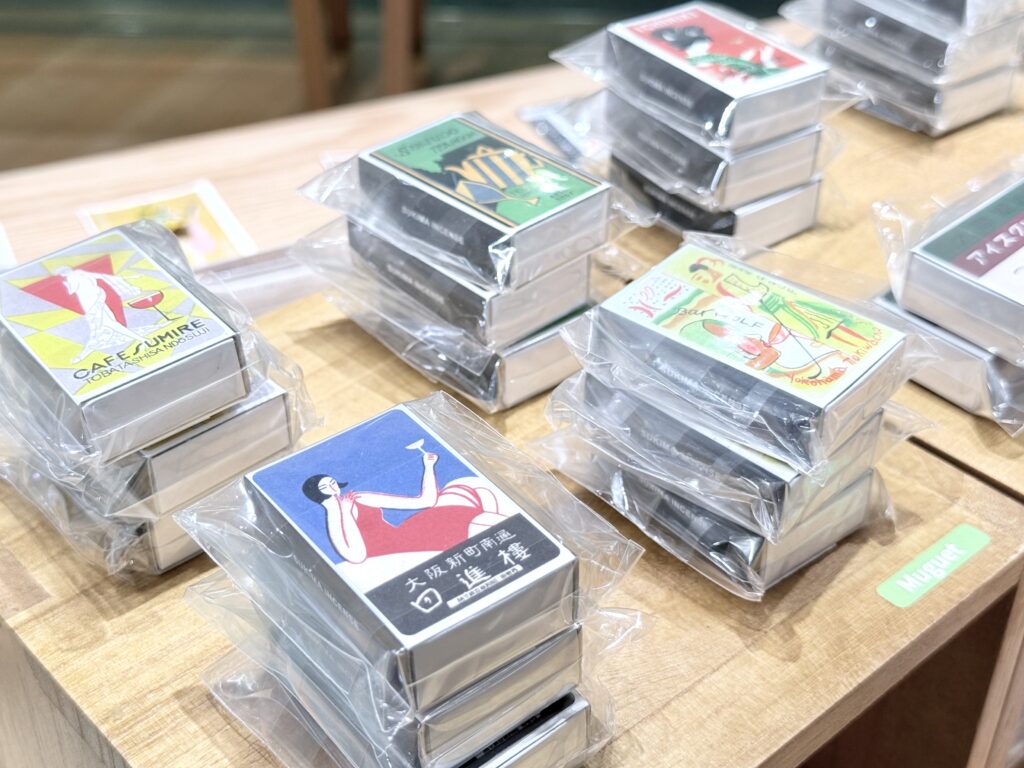
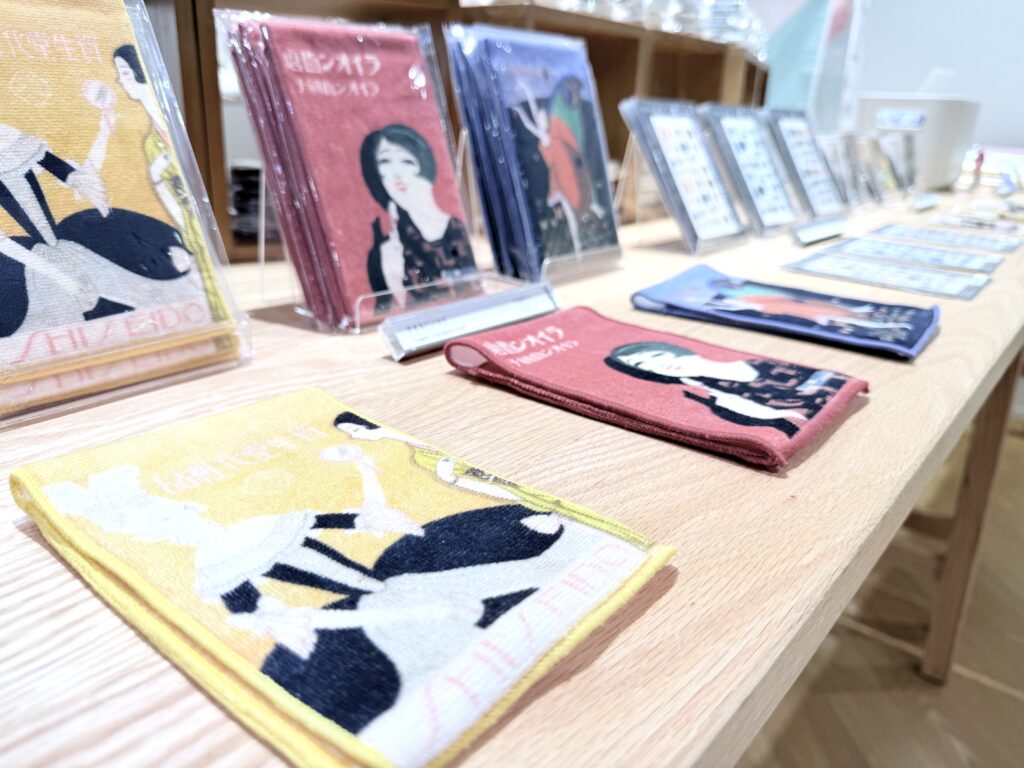
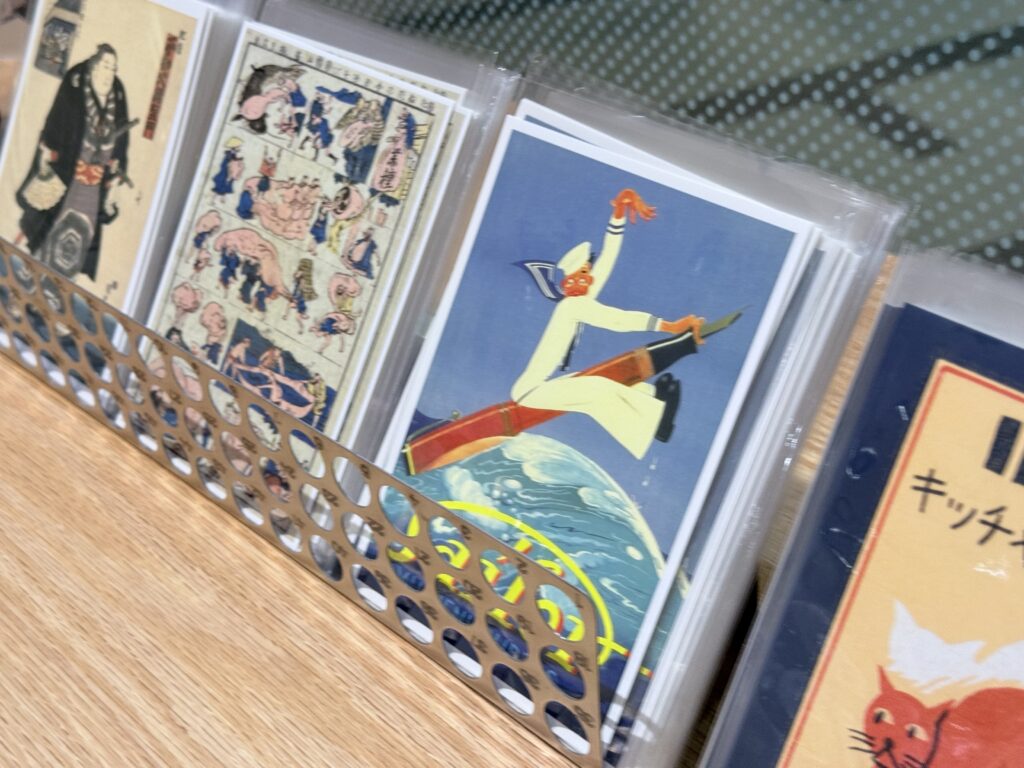
A museum shop is located in front of the entrance on Basement Level 2. Here, visitors can purchase original items available exclusively at the museum, including handkerchiefs and other goods featuring advertising designs displayed in the exhibitions.
Particularly eye-catching are the miniature incense sets packaged in charming matchbox-style cases adorned with retro graphics. With their playful presentation, these items make thoughtful souvenirs or small gifts.
Around the Museum
The area surrounding the museum extends into some of Tokyo’s most prominent commercial districts, including Ginza, Yurakucho, and Shimbashi.
Ginza, in particular, is home to cultural spaces such as Atelier MUJI Ginza, along with other galleries and institutions that visitors can easily incorporate into their itinerary.
Yurakucho and Shimbashi are likewise lively neighborhoods offering a wide range of shopping, dining, and leisure options. Together, these areas provide an ideal setting to combine museum visits with an enjoyable stroll through the city.