About the Museum
- Museum type
- Historical museum
- Hours
- 10:30–17:30
- Closed
- Mon; December 25 – January 7
- Admission
- Adults: ¥500 / High school & college students: ¥300 / Elementary & middle school students: ¥100 / Preschool children: Free
- Payment
- Cash / Credit cards / IC Cards / Quick Pay
- Suggested visit time
- Quick: ~10 min / Unhurried: ~20 min
- Website&SNS
- Official website & Instagram & X
- Address
- 2-27-6, Chihaya, Toshima-ku, Tokyo (Map)
- Phone
- +81 3-3957-3779
- Nearest station
- Kanamecho Station; Senkawa Station
What Is the Kumagai Morikazu Museum of Art?
Located in a quiet residential neighborhood, the Kumagai Morikazu Museum of Art is currently operated by Toshima City. The museum is dedicated to Kumagai Morikazu, a Japanese painter born in the Meiji period.
The museum traces its origins to a private institution opened in 1985 by Kaya, Kumagai’s daughter, on the former site of the Kumagai family home. From the museum’s collection of approximately 230 works by Kumagai Morikazu, around 60 pieces are on permanent display. The exhibited works span a wide range of media, including oil paintings, ink paintings, calligraphy, and sculpture. In addition, personal items used by the artist during his lifetime—such as easels and a cello—are also displayed.
A museum café is located on the first floor. With its calm and tranquil atmosphere, the museum serves as a place of relaxation for local residents as well as travelers who appreciate art.
Who is Morikazu KUMAGAI?orikazu Museum of Art?
Kumagai Morikazu was born in 1880 into the family of a businessman in Gifu Prefecture in western Japan. Despite this background, he declared that he would become a painter “even if it meant living in poverty,” and moved to Tokyo to pursue art.
Throughout his life, Kumagai continued to paint freely, though his work was repeatedly interrupted by war, employment, and periods of returning to his hometown. Over time, through this unhurried and independent process, he gradually refined his own distinctive style. Around 1938, his paintings began to sell steadily, and in 1964 he held a solo exhibition at the David et Garnier Gallery in Paris. From that period onward, the prices of his works rose sharply, and attention surrounding him increased significantly.
Kumagai, however, was an artist through and through. Disliking publicity, he reportedly remarked that “it would be troubling if any more people came,” and went so far as to decline the conferment of two national honors.
His body of work spans a wide range of media, with oil painting at its core, alongside ink painting, calligraphy, and sculpture. As he grew older, his style became increasingly simple and restrained. This distinctive approach eventually came to be known within the field of Japanese Western-style painting as the “Kumagai style.”
Avoiding attention, remaining unbound by convention, and painting only when he wished to paint, Kumagai Morikazu lived—and worked—as a truly free-spirited artist.
Visitor Information
The museum is broadly divided into three floors.
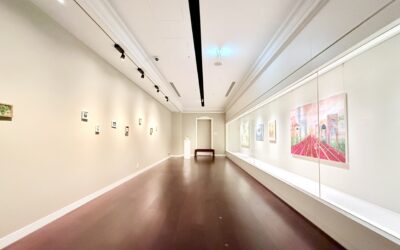
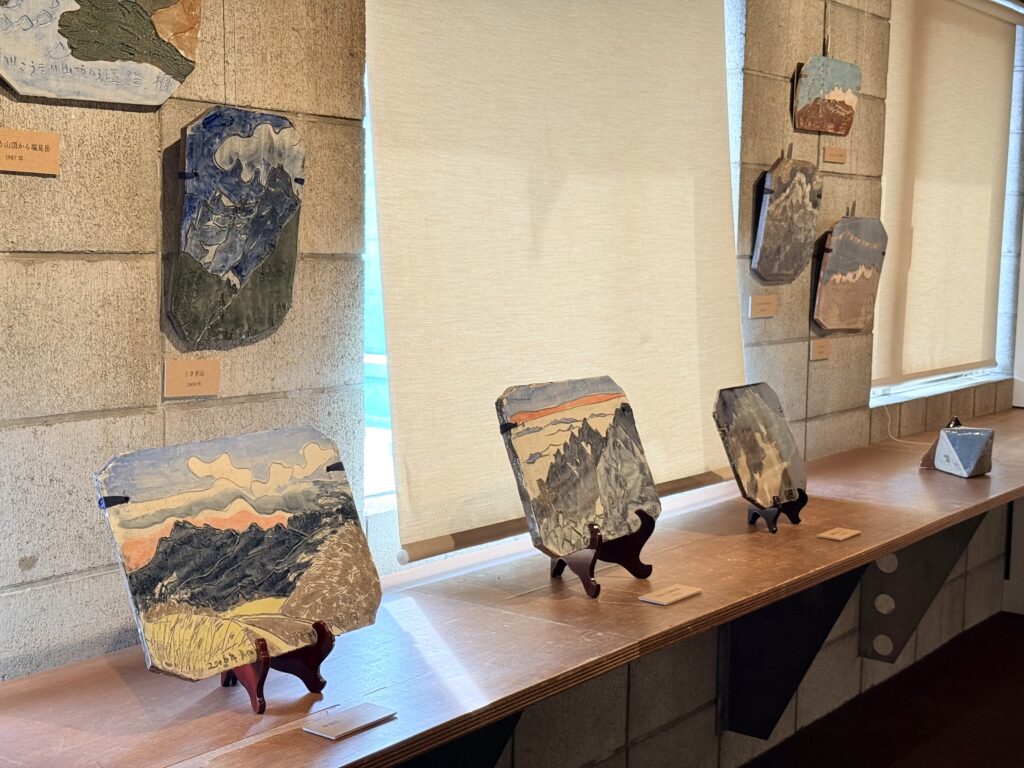
The First and Second Exhibition Rooms are dedicated to the permanent display of works by Kumagai Morikazu. Centered on oil paintings, the exhibitions also include ink paintings, calligraphy, oil pastels, and bronze sculptures. Reflecting Kumagai’s free and unconstrained artistic approach, the collection ranges from solemn portrait works to abstract paintings inspired by Japanese landscapes, as well as animal subjects—such as cats and birds—which he was particularly fond of. Visitors can experience a wide emotional range, from works with a weighty, contemplative presence to warm and gently charming pieces, all of which convey the breadth of Kumagai’s distinctive style.
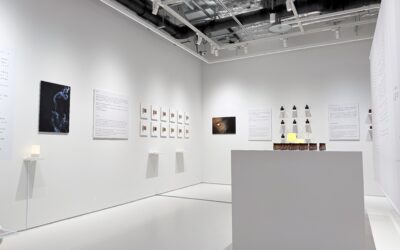
The gallery on the third floor serves as a space for special exhibitions and as a rental gallery. As a variety of exhibitions are held depending on the period, visitors are encouraged to enjoy discovering what is on display at the time of their visit.
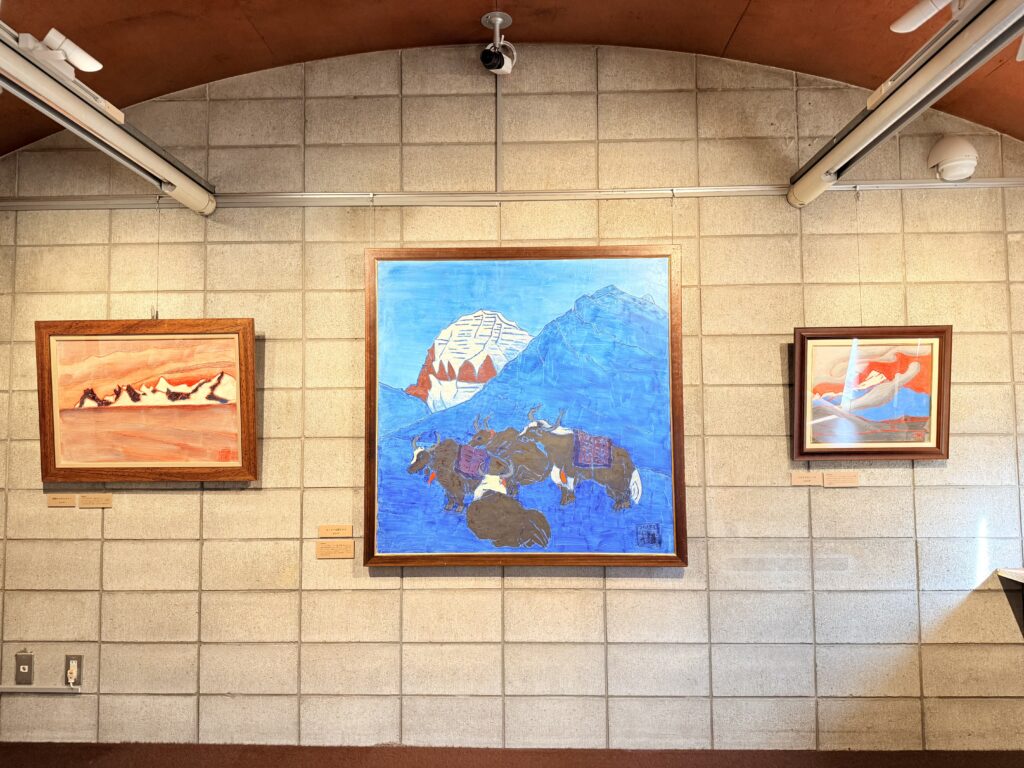
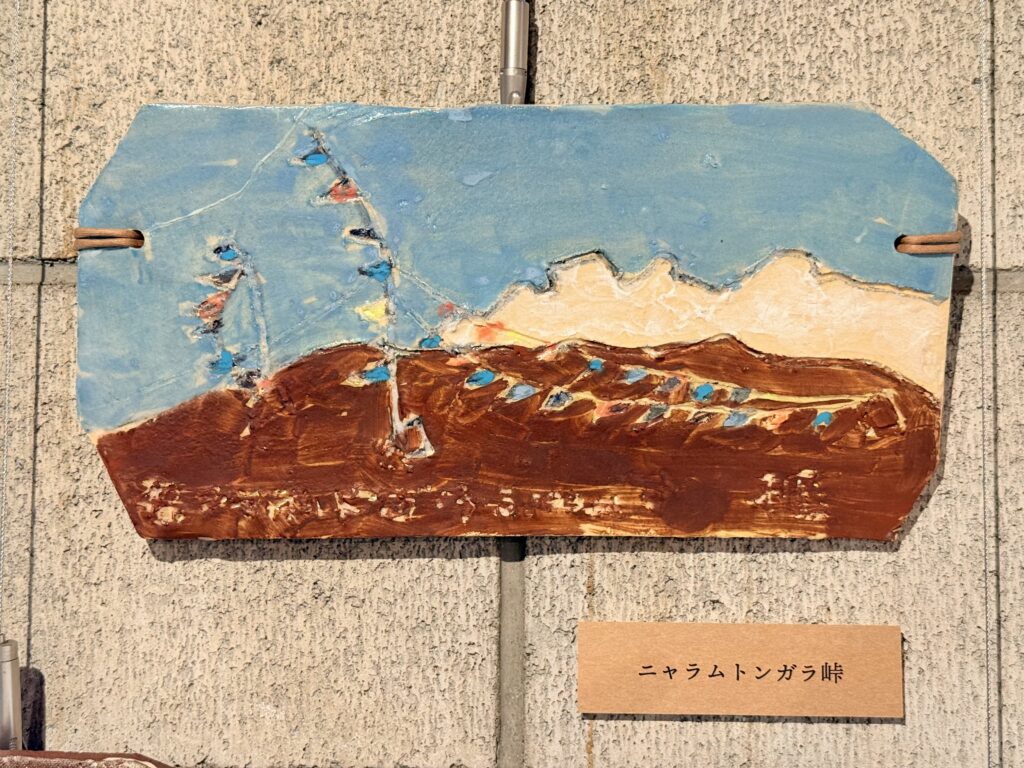
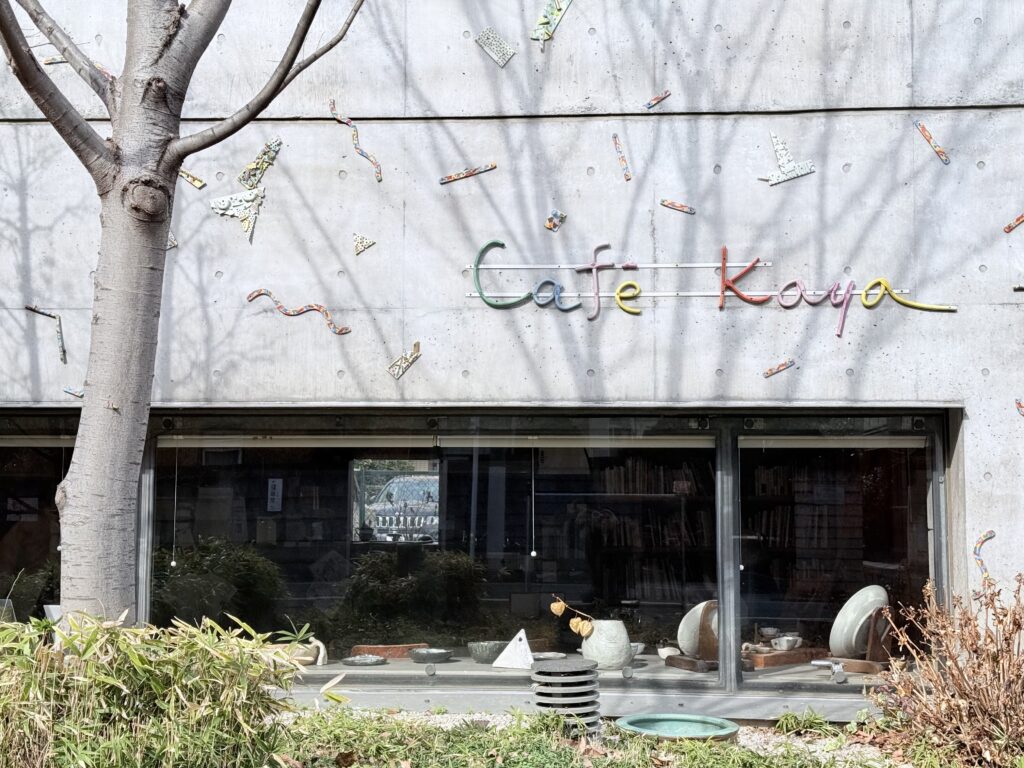
On the first floor is the museum café, Kaya, a calm and inviting space where visitors can rest after walking around the neighborhood. Using artistically designed furniture and tableware, the café offers light refreshments such as tea and cakes. It is an ideal place either to relax a tired body or to review travel plans. After immersing yourself in Kumagai’s art, a stop at this café is highly recommended.
Museum Highlights
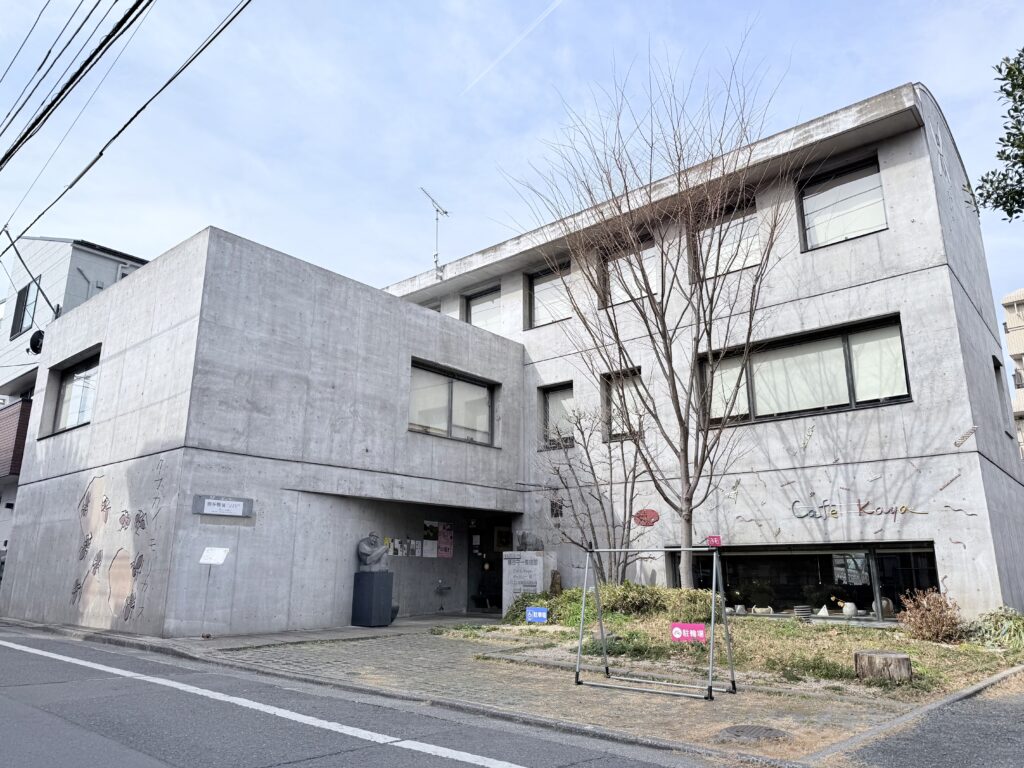
The museum building features a modern and stylish exposed-concrete exterior. It is said that architecture professionals also visit the museum specifically to view the building itself.
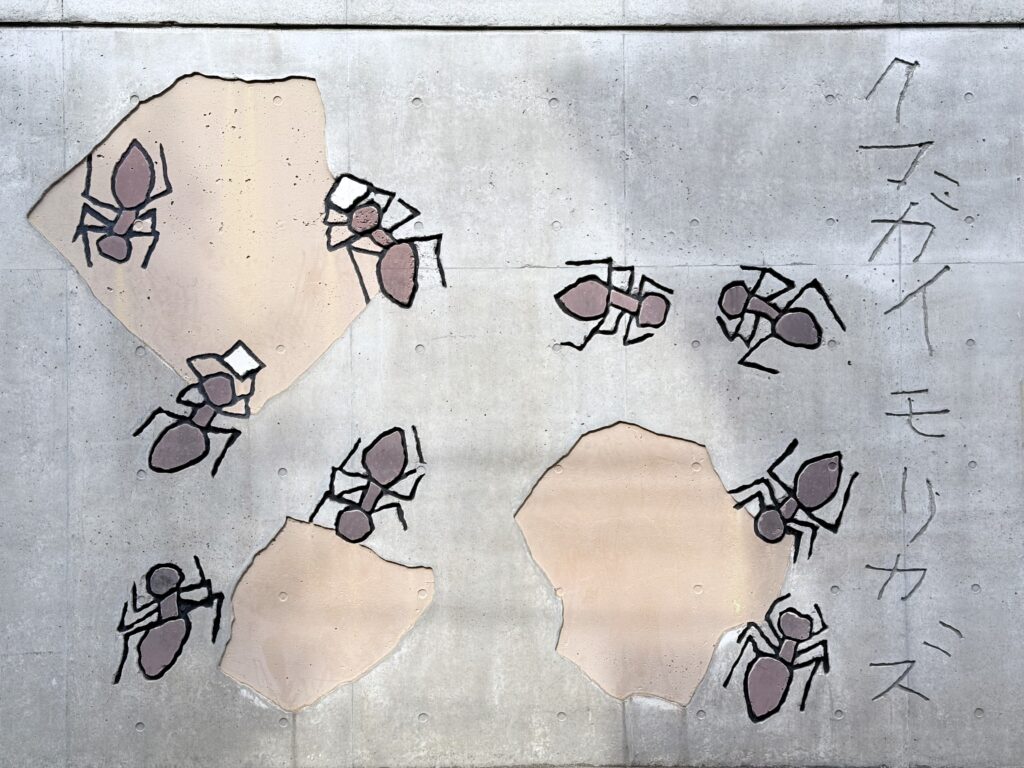
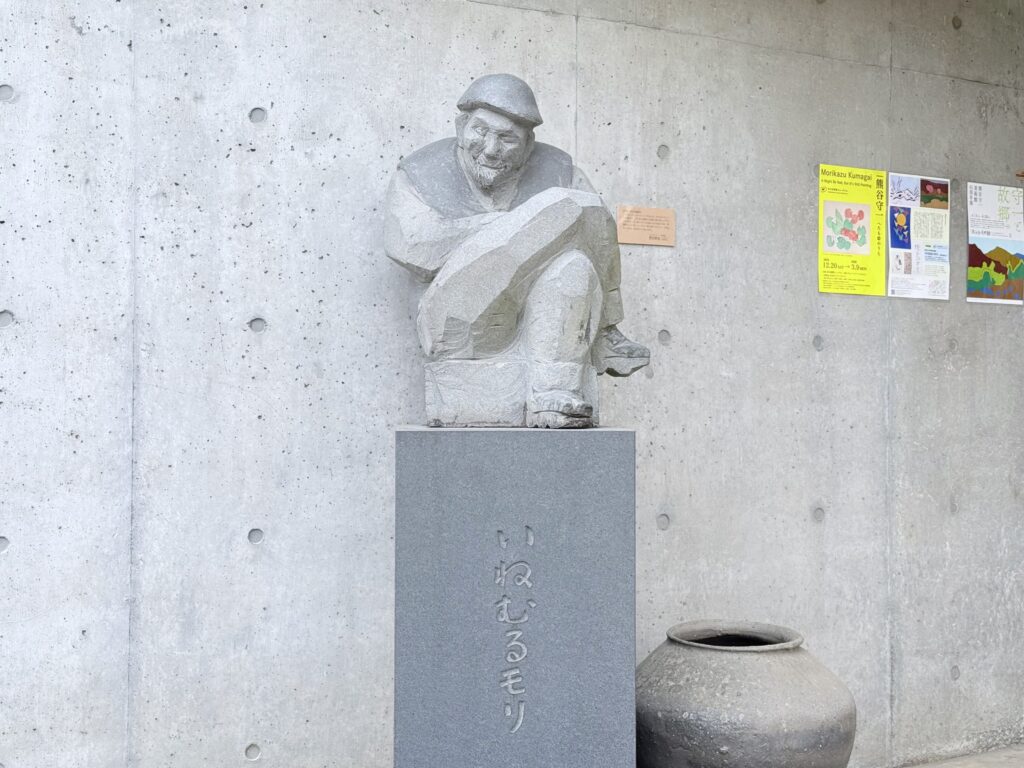
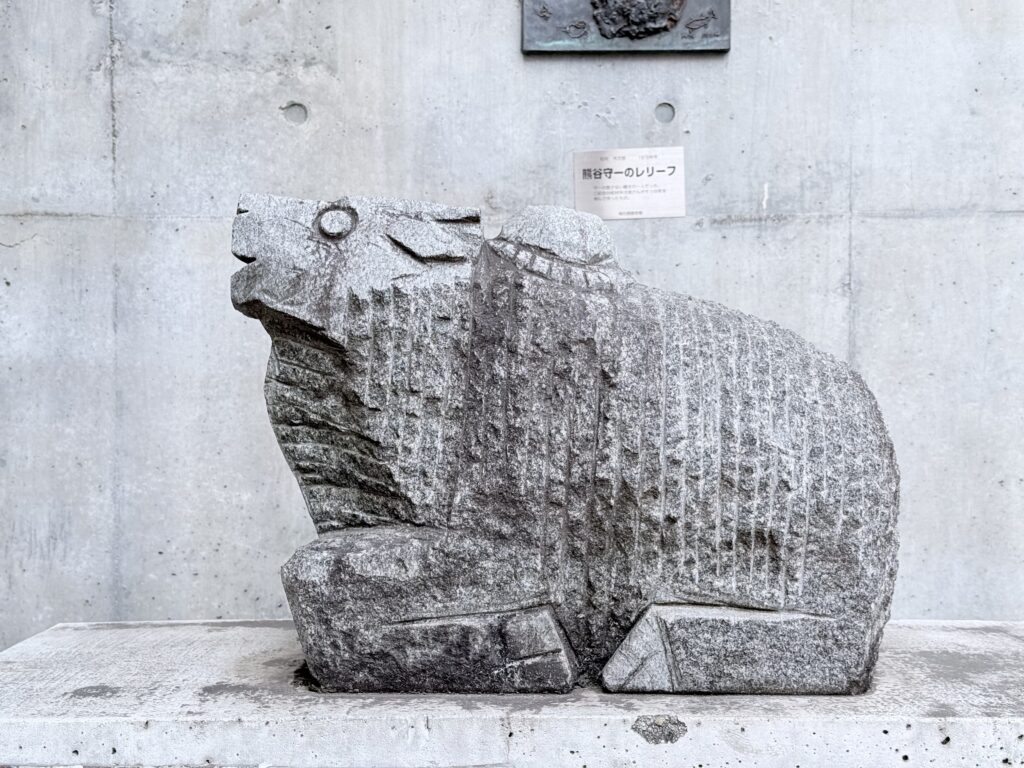
On the exterior wall, visitors will find a charming relief of ants by Kumagai Morikazu, filled with energy and movement, as if they might begin crawling at any moment. The work naturally draws the attention of passersby. In addition, sculptural works by his daughter Kaya Kumagai, herself an artist, are also displayed on the museum grounds.
Access