About the Museum
- Museum type
- Crafts Museum
- Hours
- 9:30–16:30
- Closed
- Sundays, Public holidays, Summer holidays, and the New Year period.
- Admission
- Free
- Suggested visit time
- Quick: ~10 min / Unhurried: ~20 min
- Website&SNS
- Official website (JP)
- Address
- 1-7-14, Yushima, Bunkyo-ku, Tokyo (Map)
- Phone
- +81 3-3811-4025
- Nearest station
- Ochanomizu Station; Suehirocho Station
About Origami Kaikan
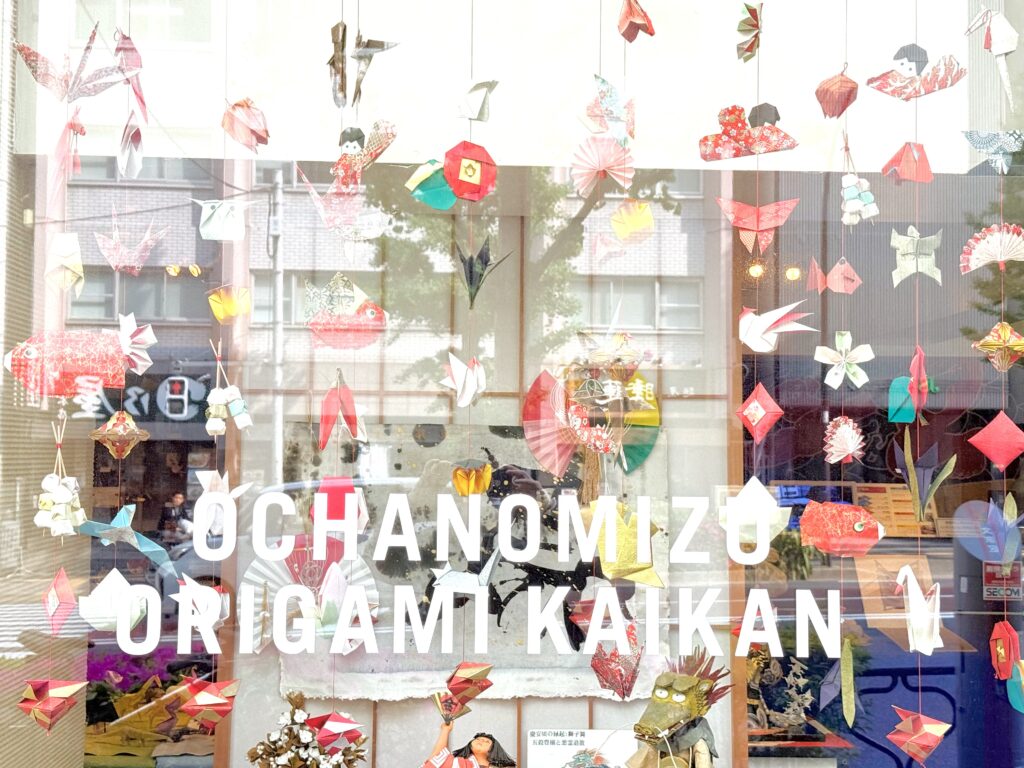
Origami Kaikan is a craft museum located in Yushima 1-chome, within walking distance of Ochanomizu Station. Centered on the art of origami, it offers visitors the opportunity to experience Japanese paper culture through viewing, hands-on activities, and shopping.
Its origins date back to 1858, when Kosuke Kobayashi began a business producing dyed paper. At the request of Japan’s Ministry of Education, the company later started manufacturing and selling origami paper, which became the foundation of its present activities. In 1972, Origami Kaikan was established on this site as a place to promote origami as a traditional craft.
Inside the building, visitors will find a gallery featuring seasonal exhibitions, a workshop where the process of dyeing washi paper can be observed, and a shop offering a wide variety of origami products. Each space provides a different way to engage with the world of paper.
Although modest in size, the museum offers a rich introduction to the depth of paper as a material and the enduring appeal of Japanese craftsmanship.
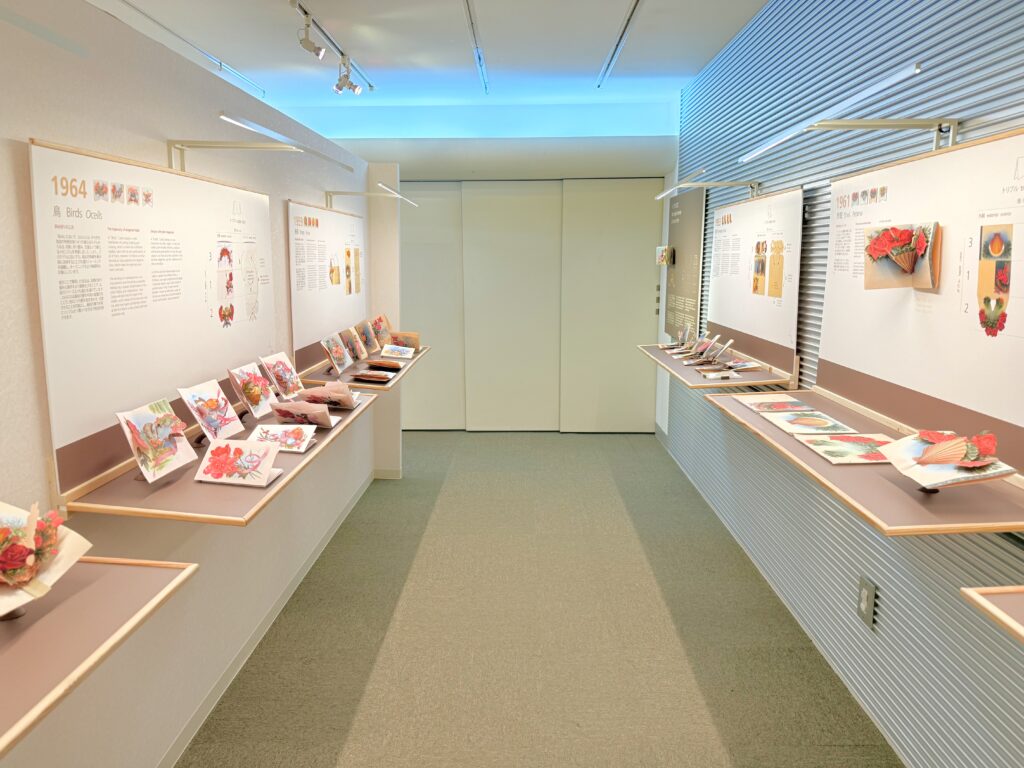
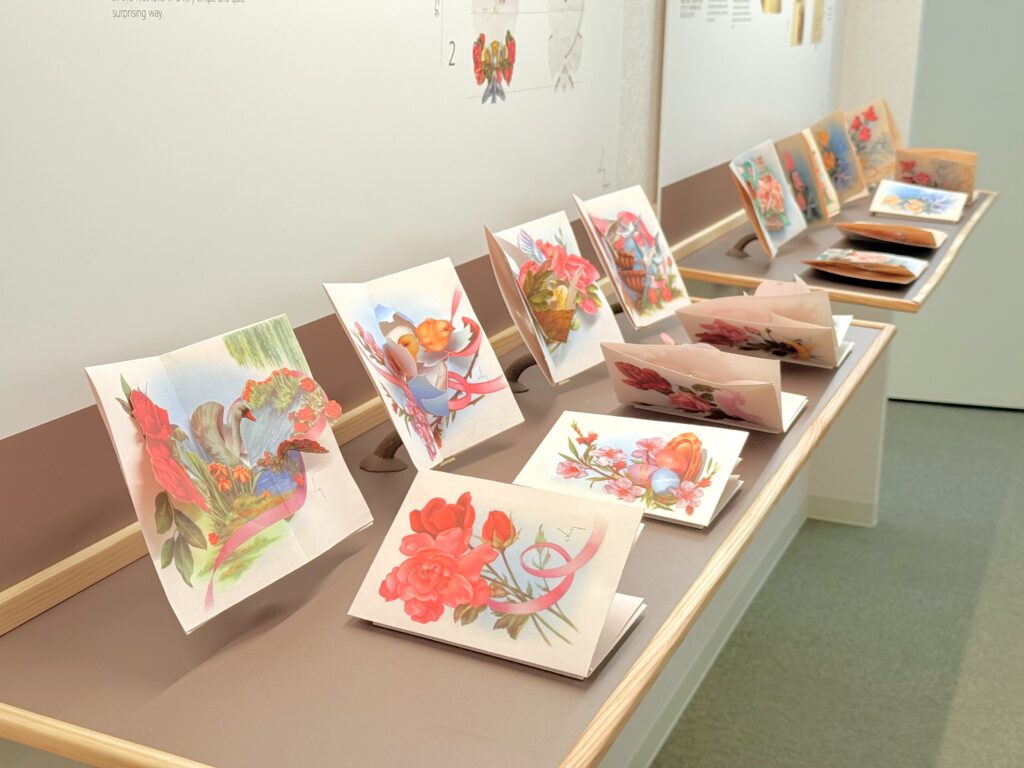
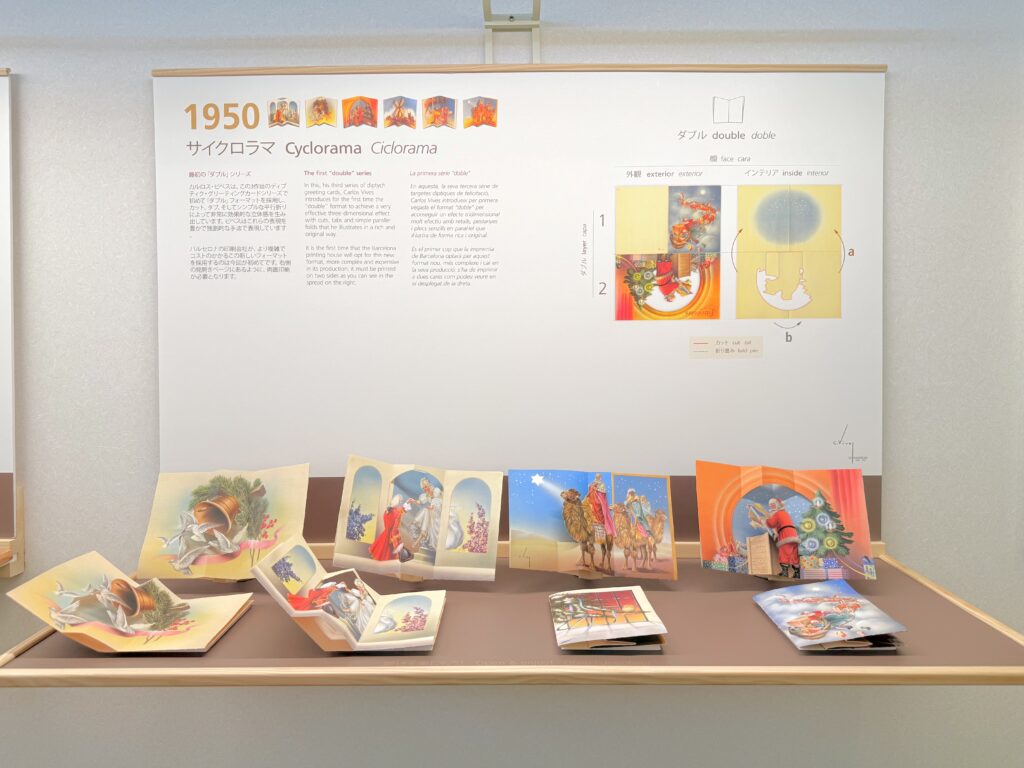
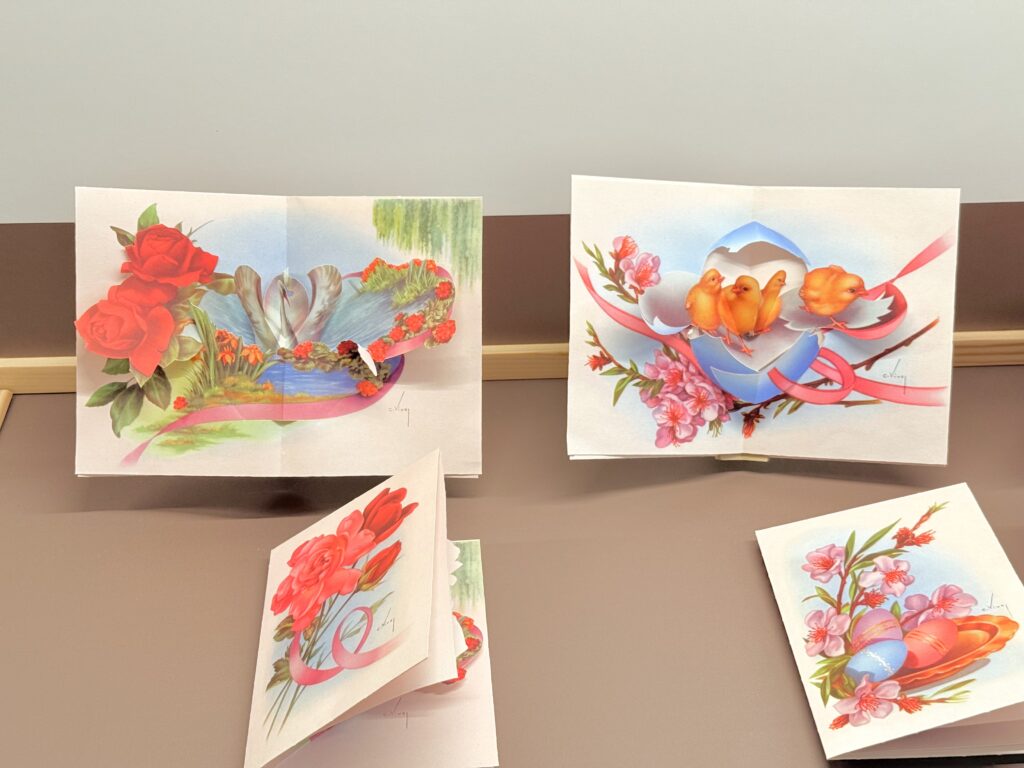
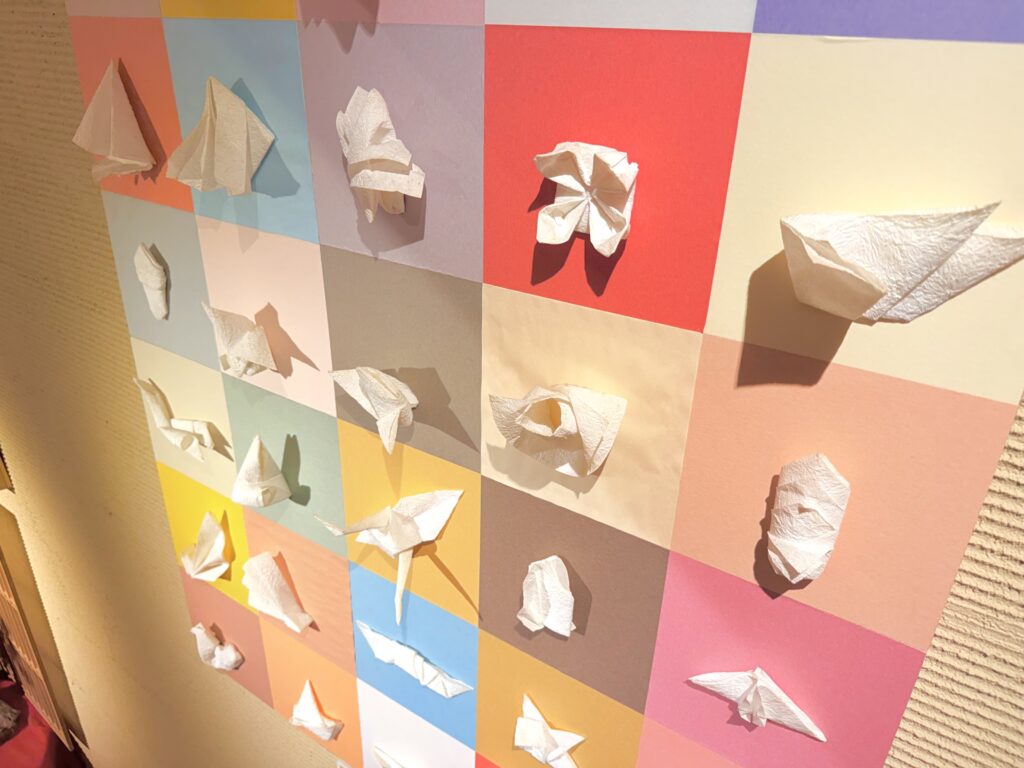
Some of the photographs in this article were taken during the special exhibition “Carlos Vives: Paper Magician,” held from October 2025 to May 2026.
Visitor Information
The building is organized by floor, allowing visitors to experience the world of paper and origami in a variety of ways.
On the first floor, seasonal origami works are displayed in the entrance area, gently welcoming visitors.
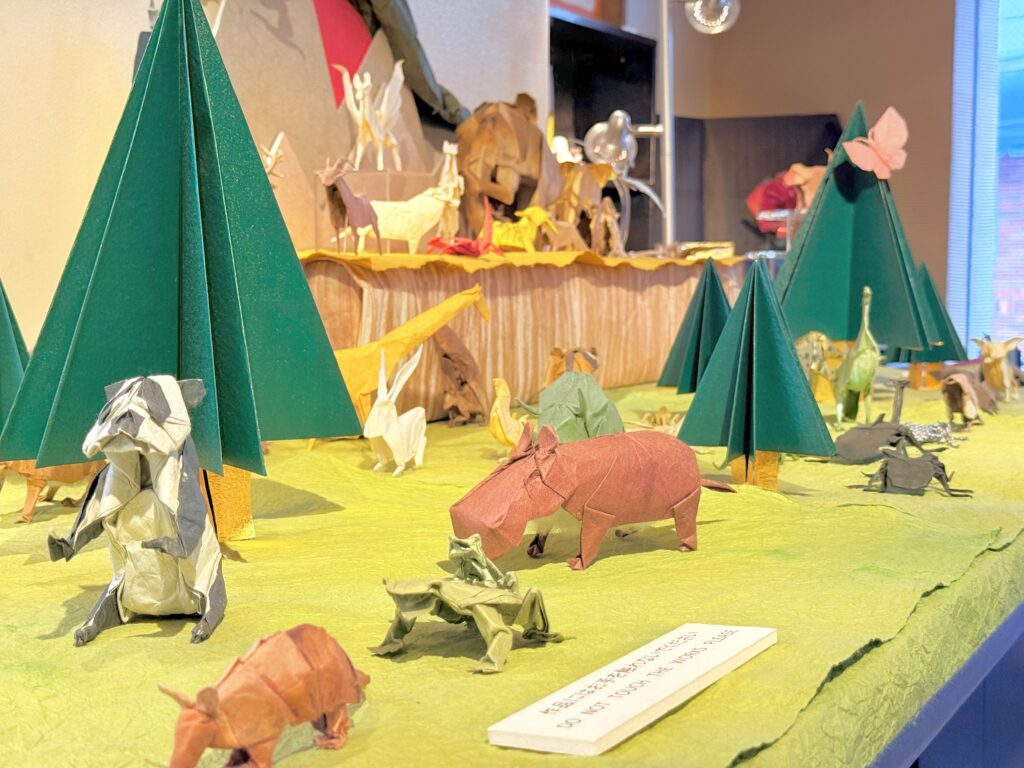
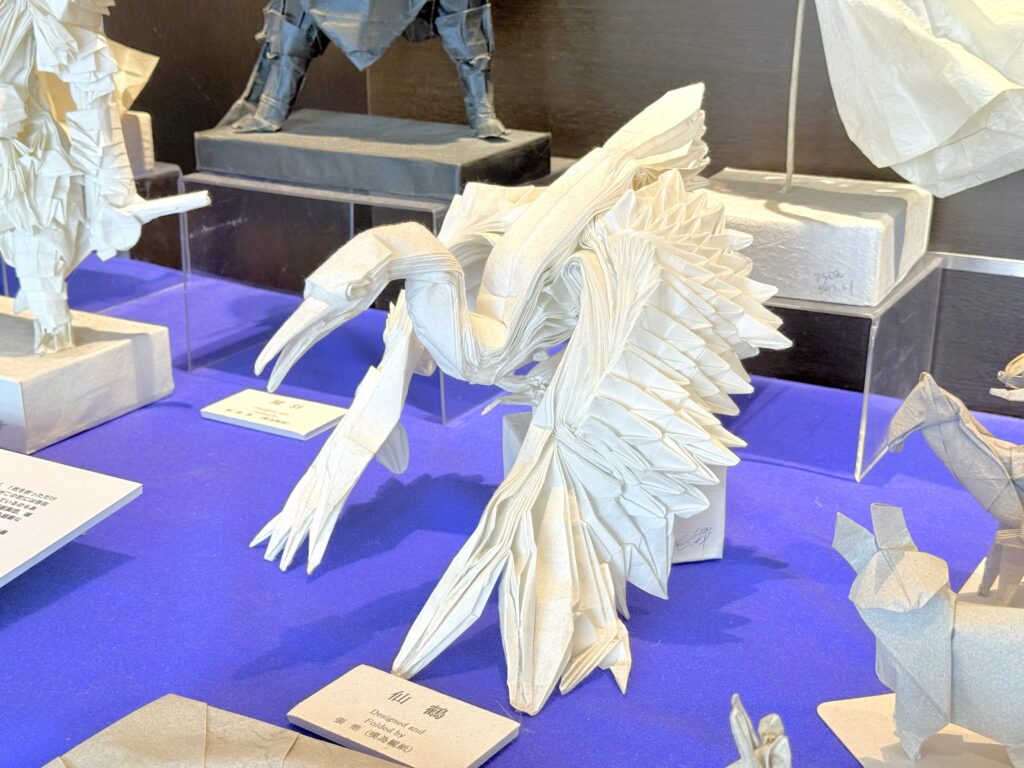
The mezzanine gallery hosts special exhibitions centered on paper, featuring a diverse range of expressions by both Japanese and international artists.
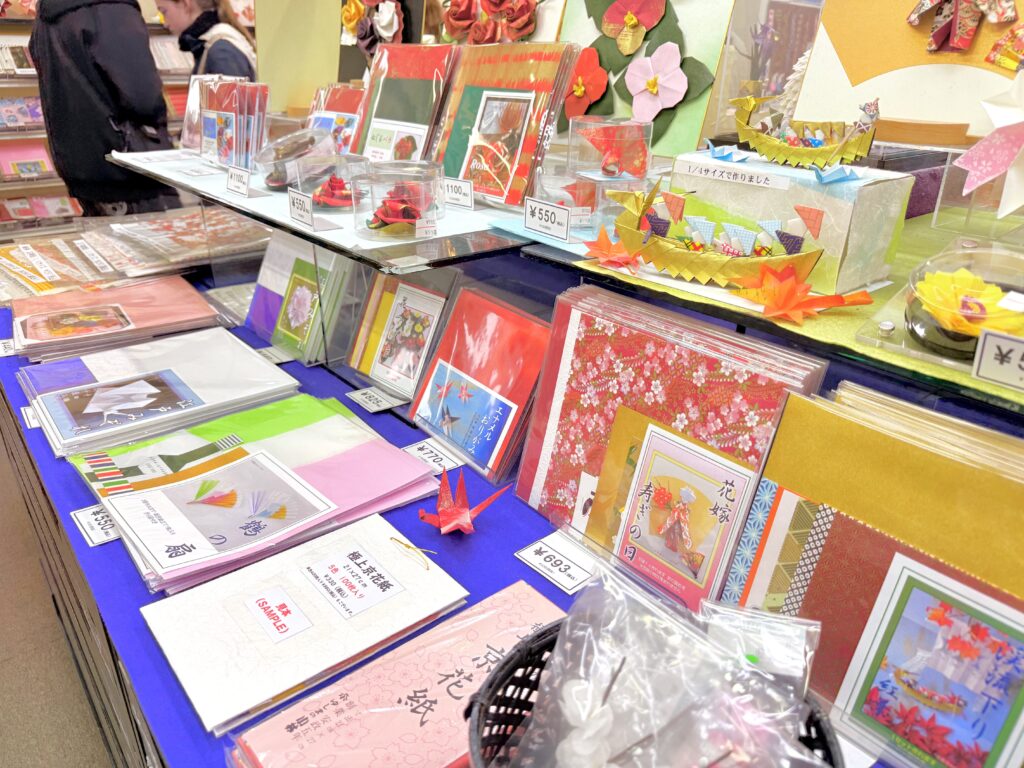
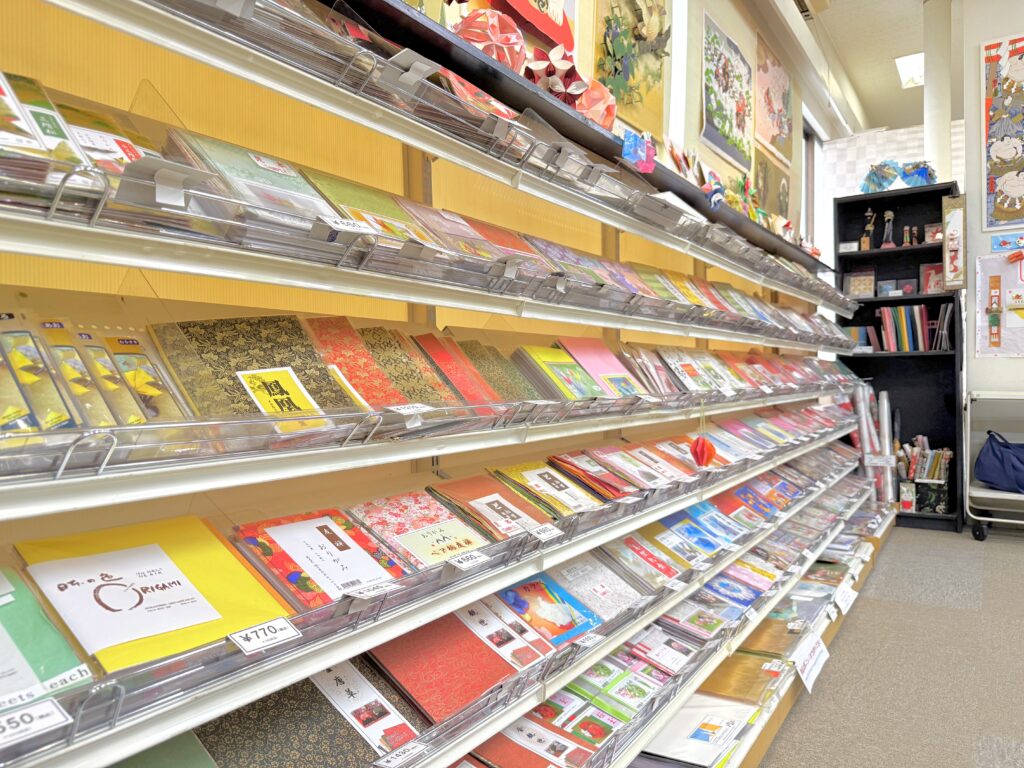
The third floor is a shop offering approximately 2,000 items, including washi paper and origami products. The selection ranges from everyday origami paper to high-quality handmade washi, making it enjoyable even just to browse. Washi dyed in the workshop on the fourth floor is also available for purchase.
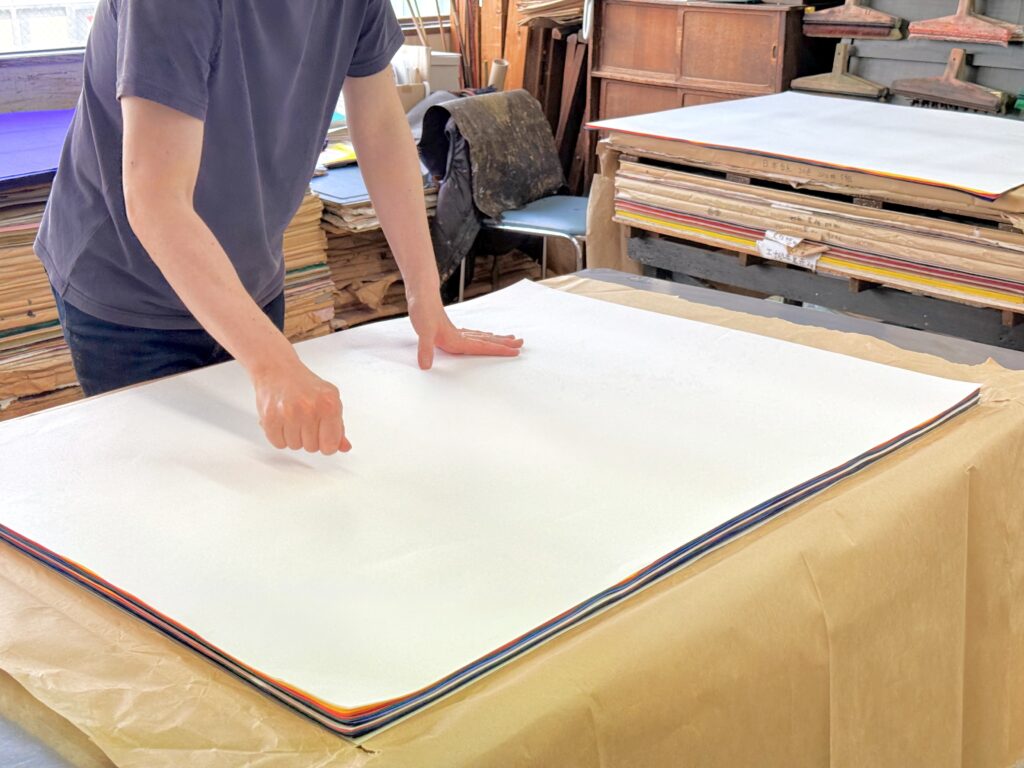
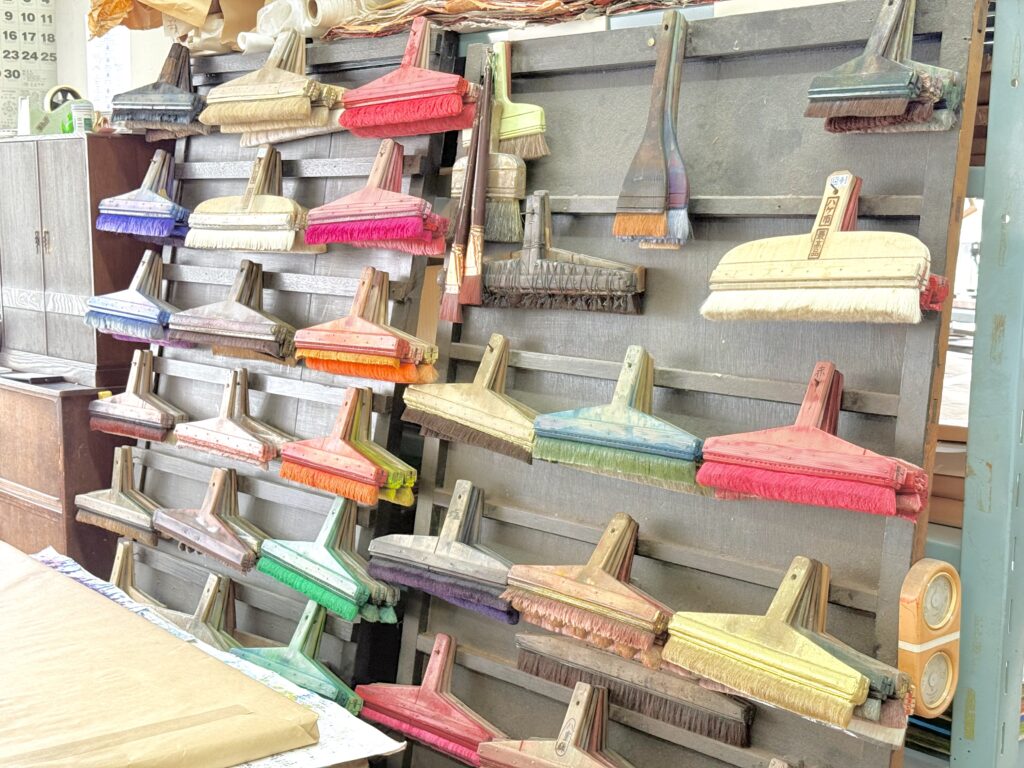
The fourth floor houses a dyeing workshop, where visitors can observe the traditional process of hand-dyeing washi paper, sheet by sheet.
On the fifth and sixth floors, classes on origami and washi are held, covering everything from basic techniques to more advanced practices.
What Is Origami?
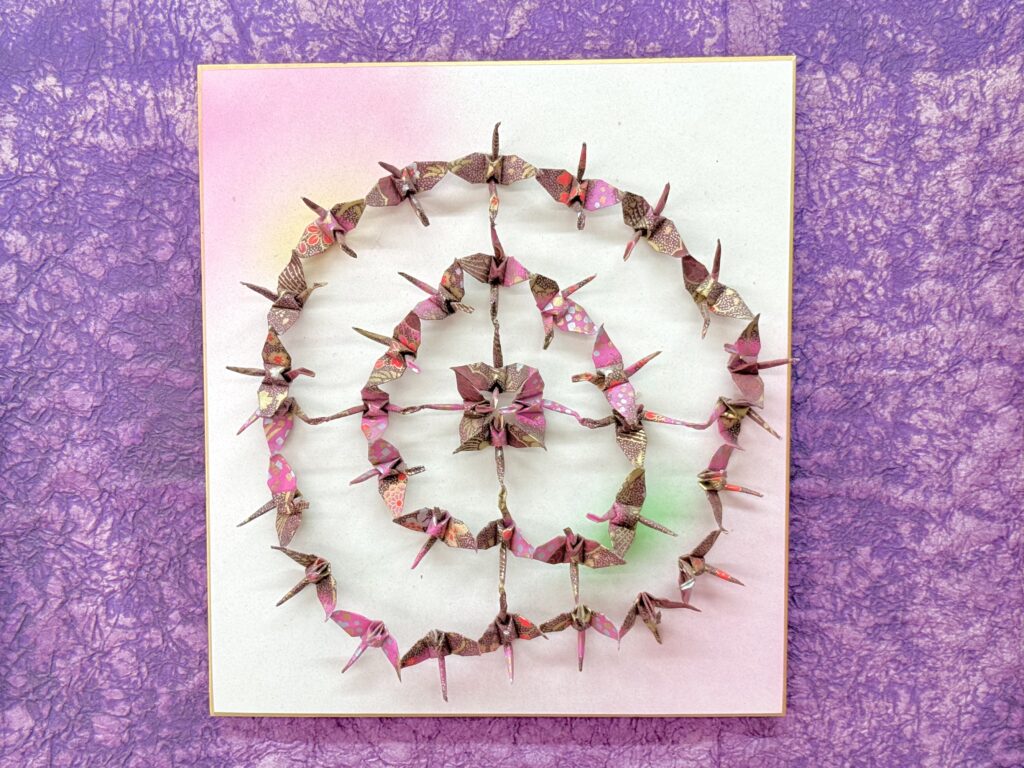
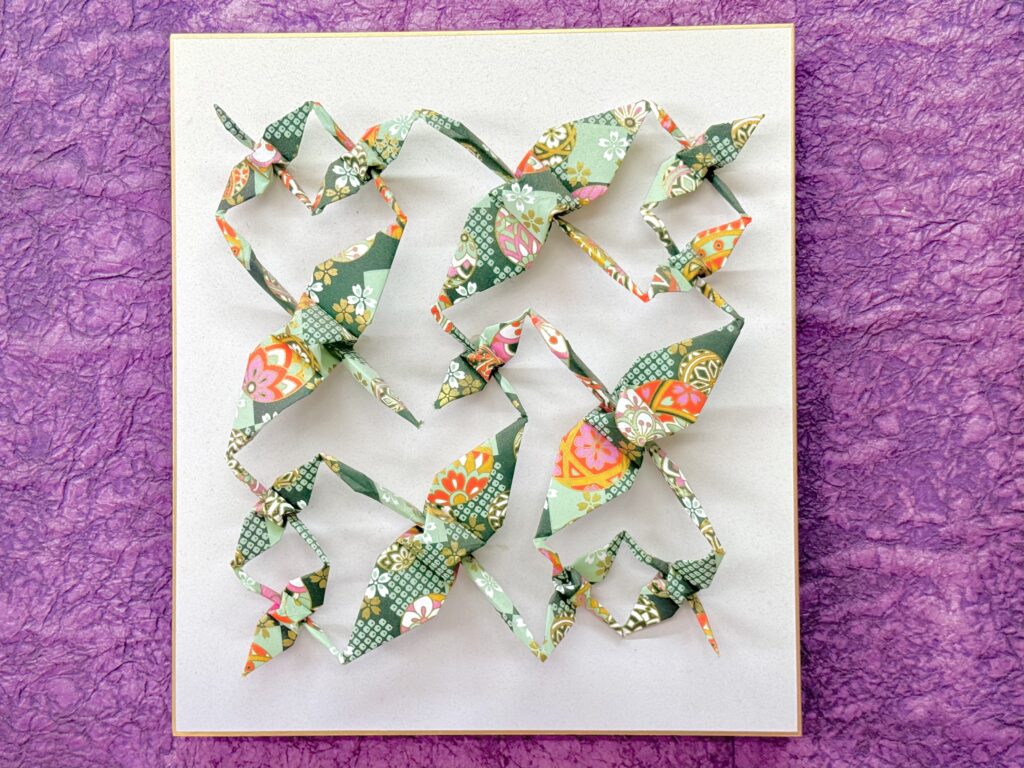
The origins of origami in Japan are not clearly documented, but it is generally believed to date back to the late 16th century. During the Edo period, it became widely enjoyed as a form of recreation.
The practice of folding paper into shapes is not unique to Japan. Similar traditions developed independently in other regions, such as the Spanish pajarita in Europe.
After World War II, Japanese origami spread internationally and is now appreciated across a wide range of fields, including art, education, and rehabilitation.
When the building was first acquired by Toshima City, it was painted entirely white. However, based on historical photographs and surveys that revealed traces of green paint on the window frames, it was restored to its current appearance, characterized by a white and green color scheme.
Nearby Information
The area surrounding the Origami Kaikan is home to several historic cultural sites and shrines.
Within walking distance is Kanda Shrine, known as the guardian shrine of Edo, where three deities—Daikokuten, Ebisu, and Taira no Masakado—are enshrined. Also nearby is Yushima Seido, a Confucian temple dedicated to Confucius, offering a calm setting in which to experience history.
After enjoying the world of origami, it is well worth taking a leisurely walk around the neighborhood and spending some quiet time exploring these surroundings.